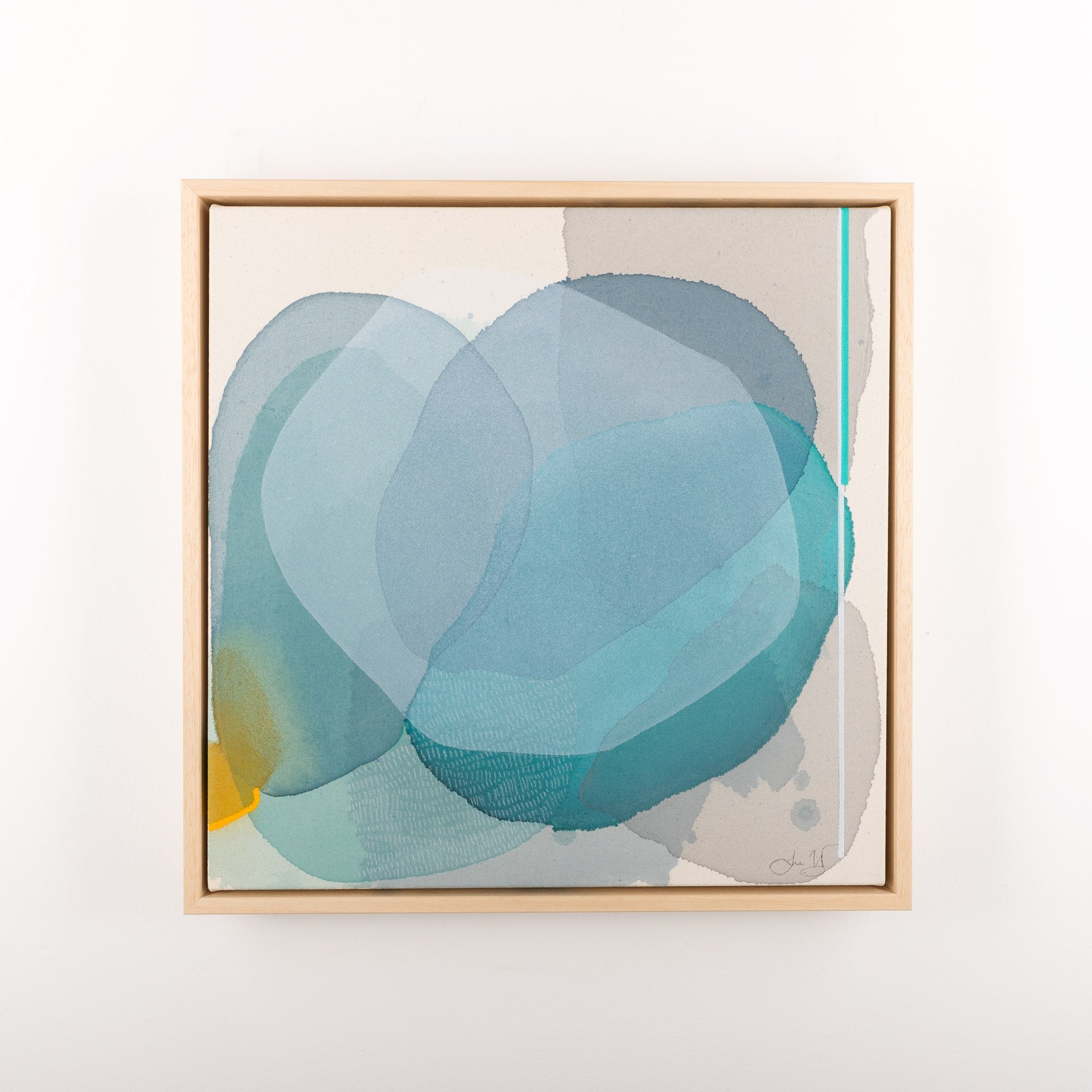
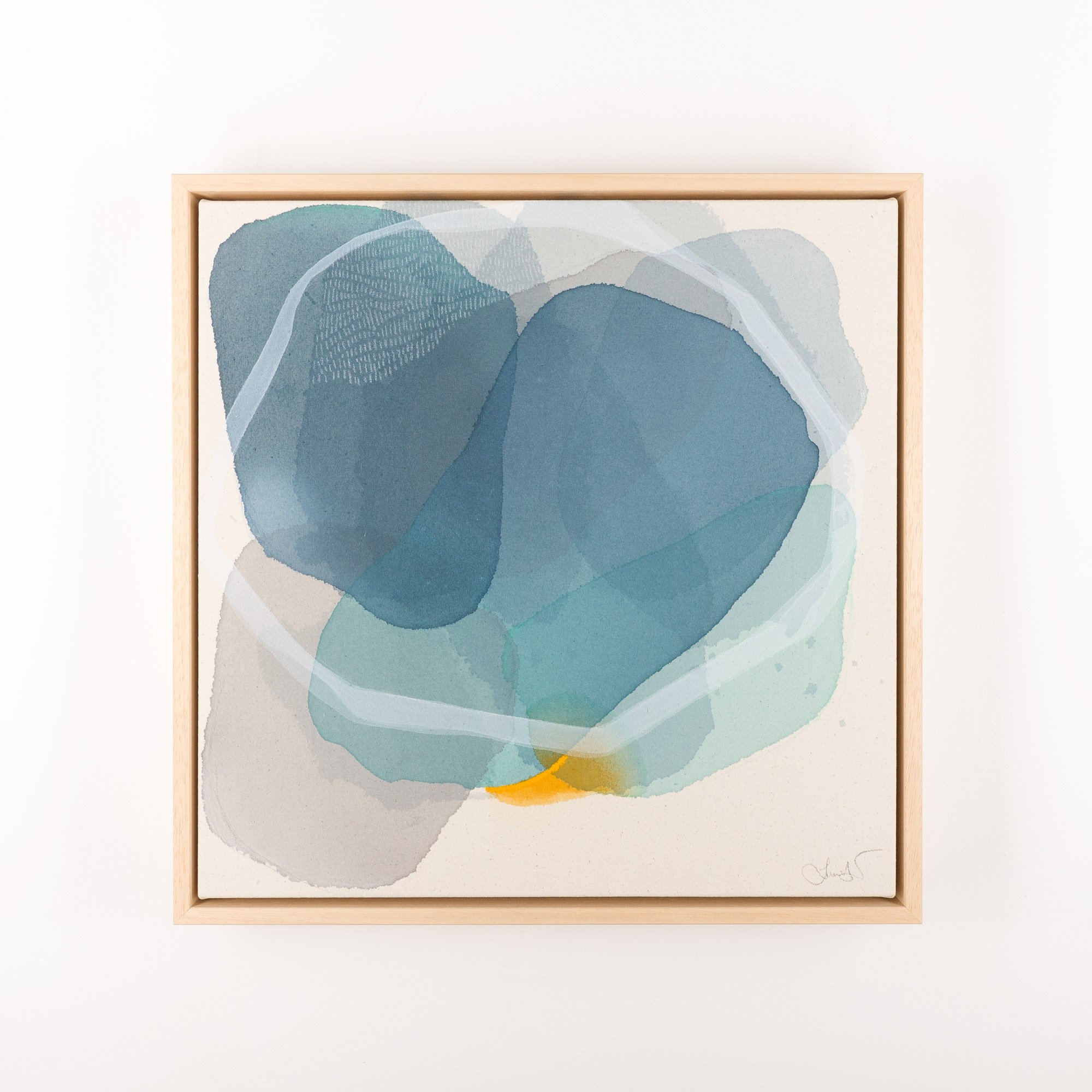
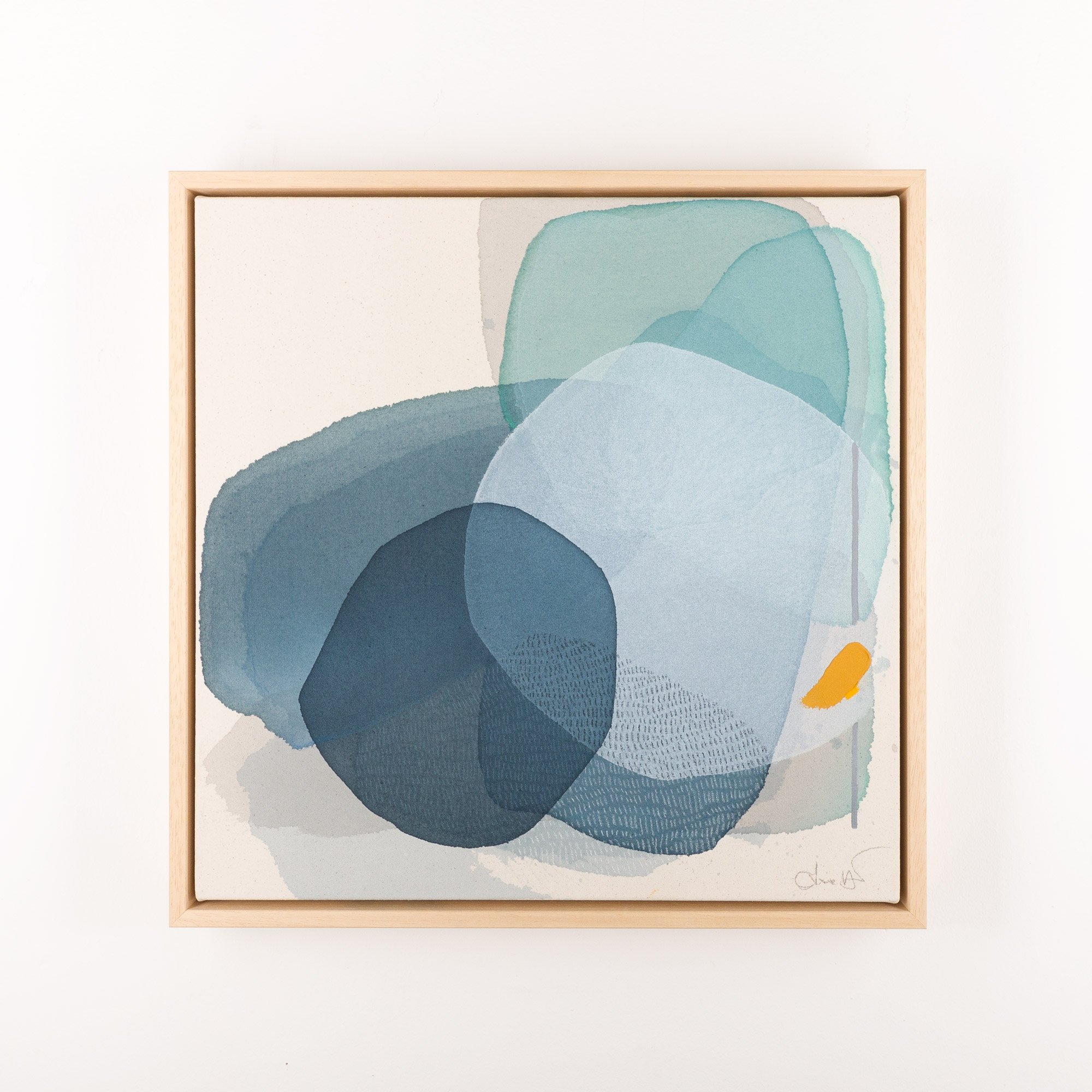
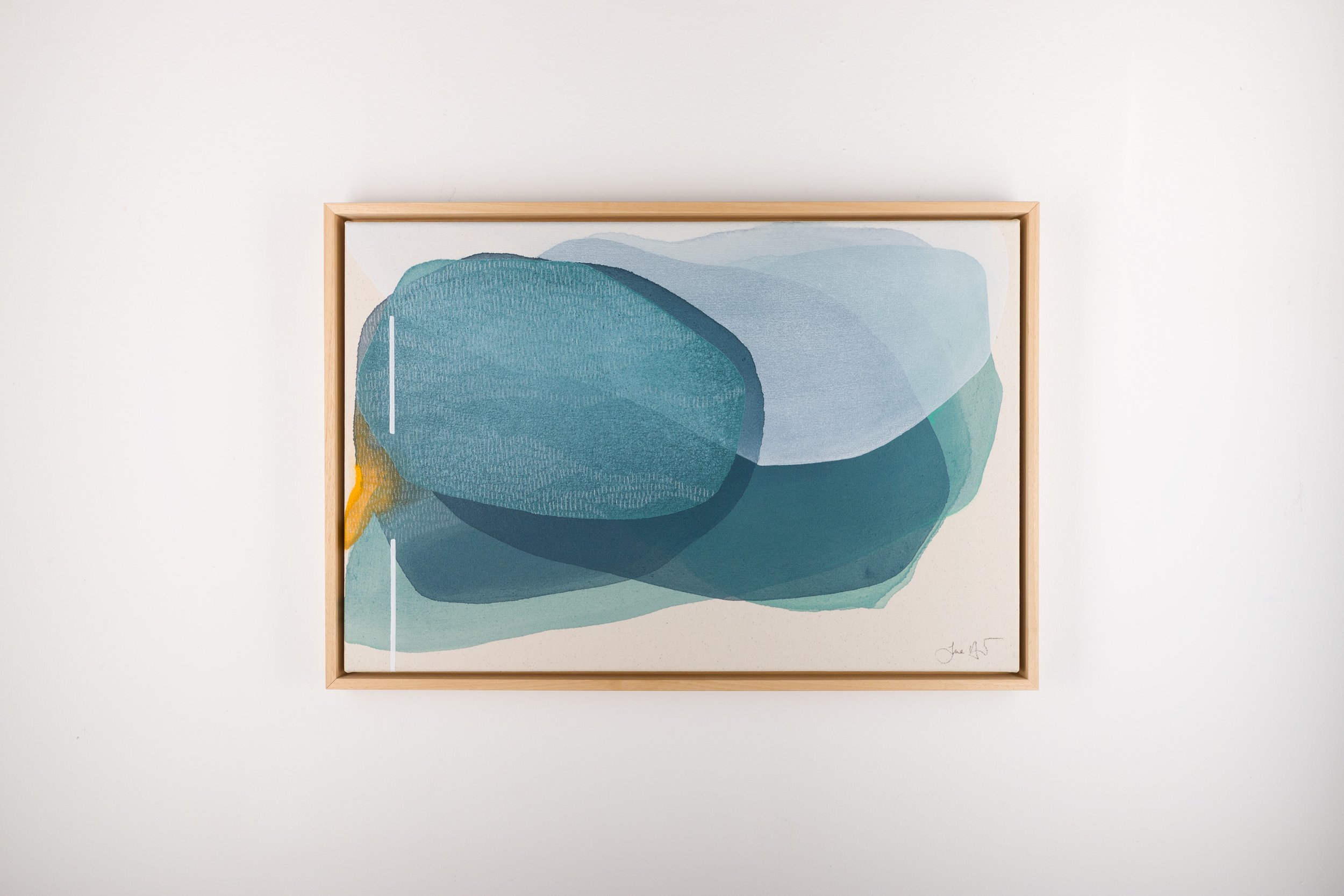
Evolve - Tighnabruaich Gallery

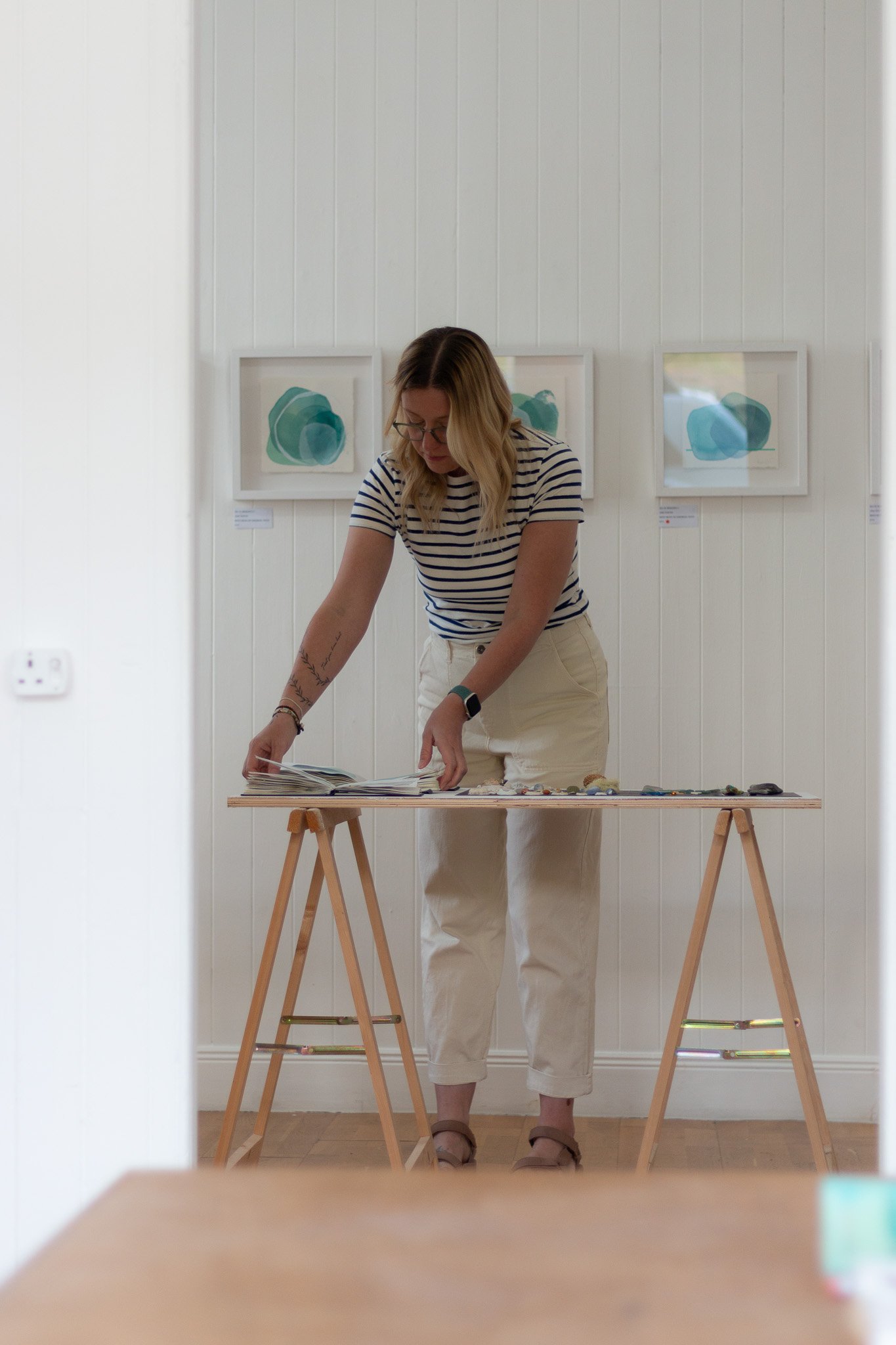
A group exhibition at Tighnabruaich Gallery, Argyll from 1 - 23 July 2023.

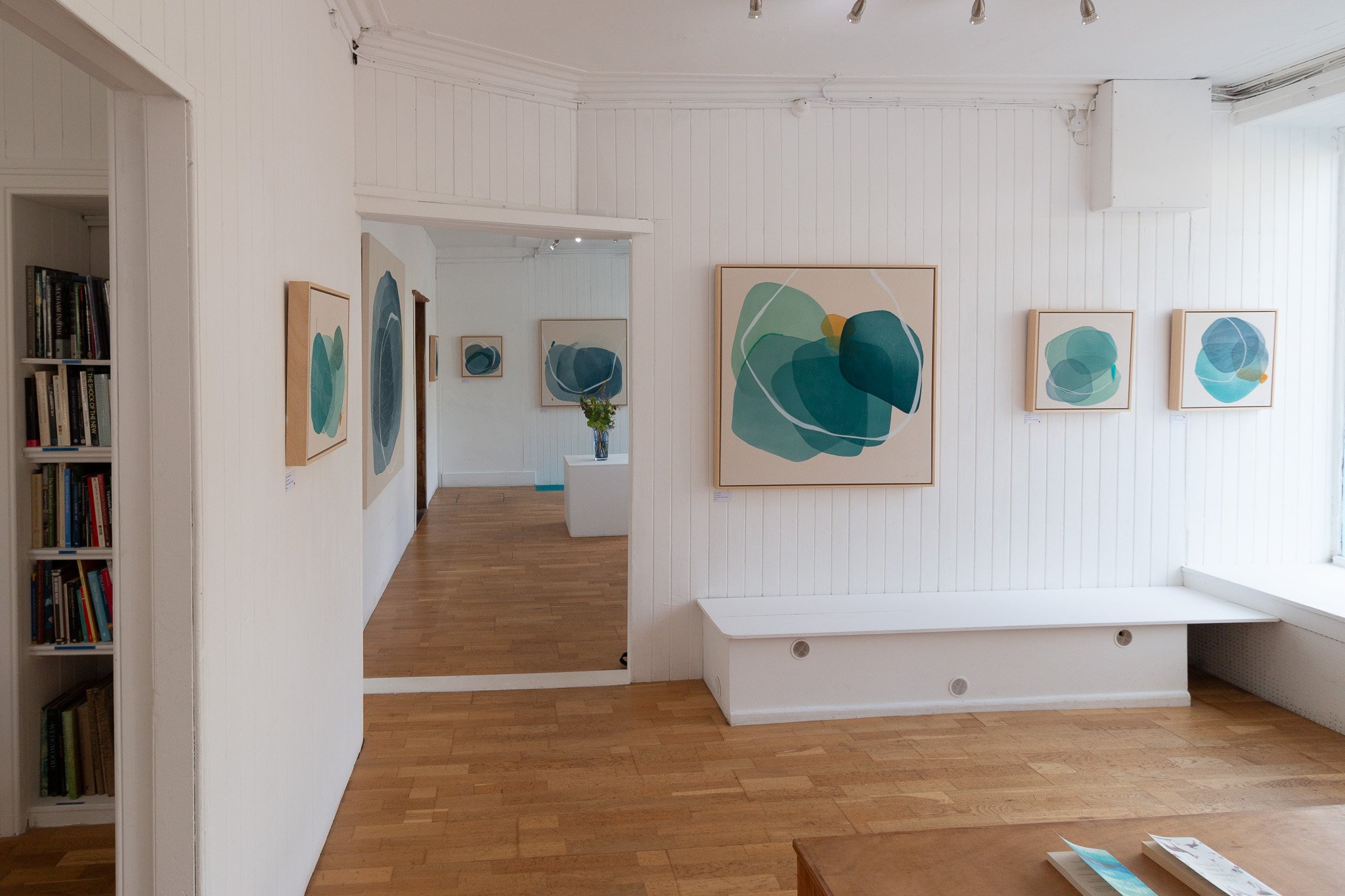
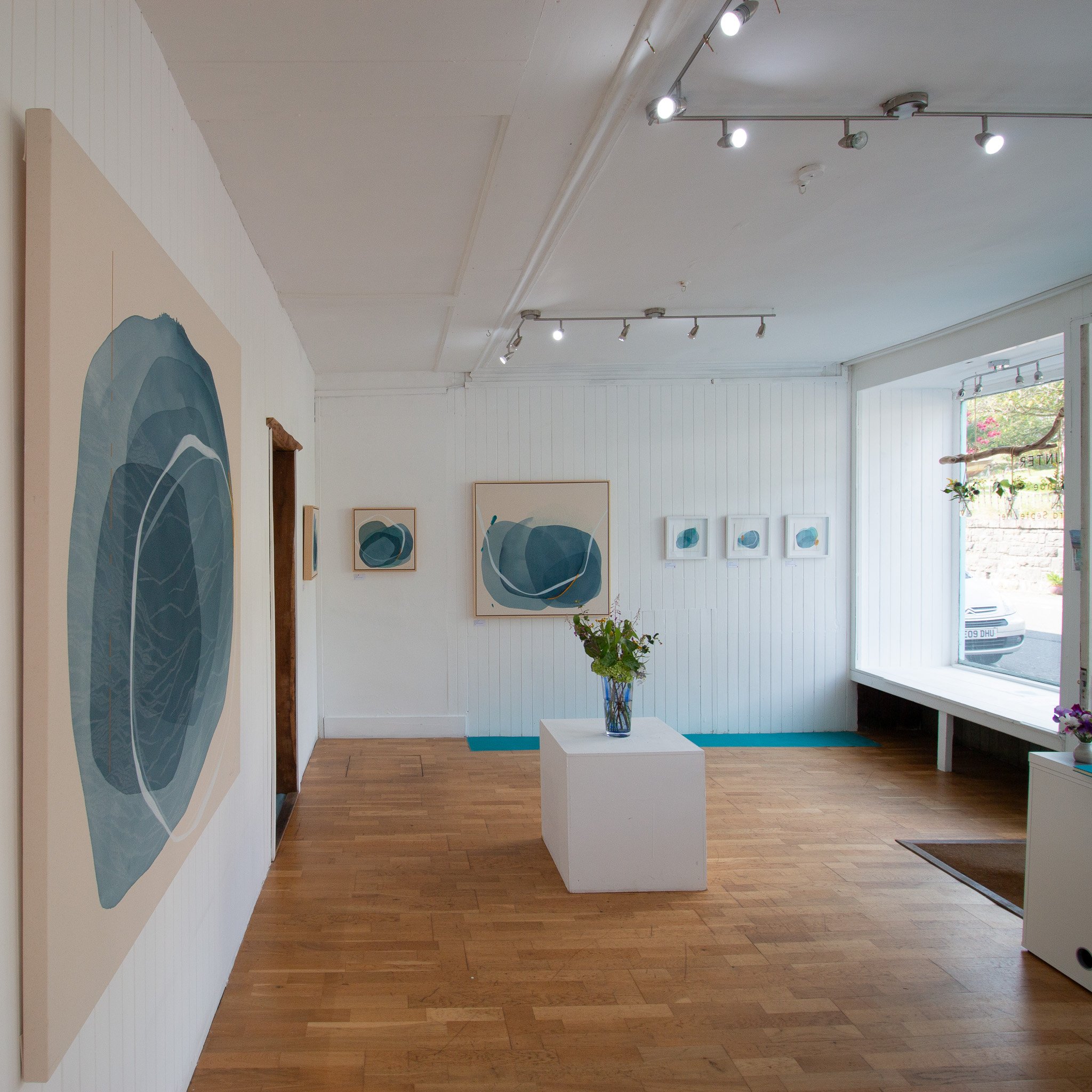
This exhibition features the work of ten artists exploring themes of evolution, growth, observation, development and change.

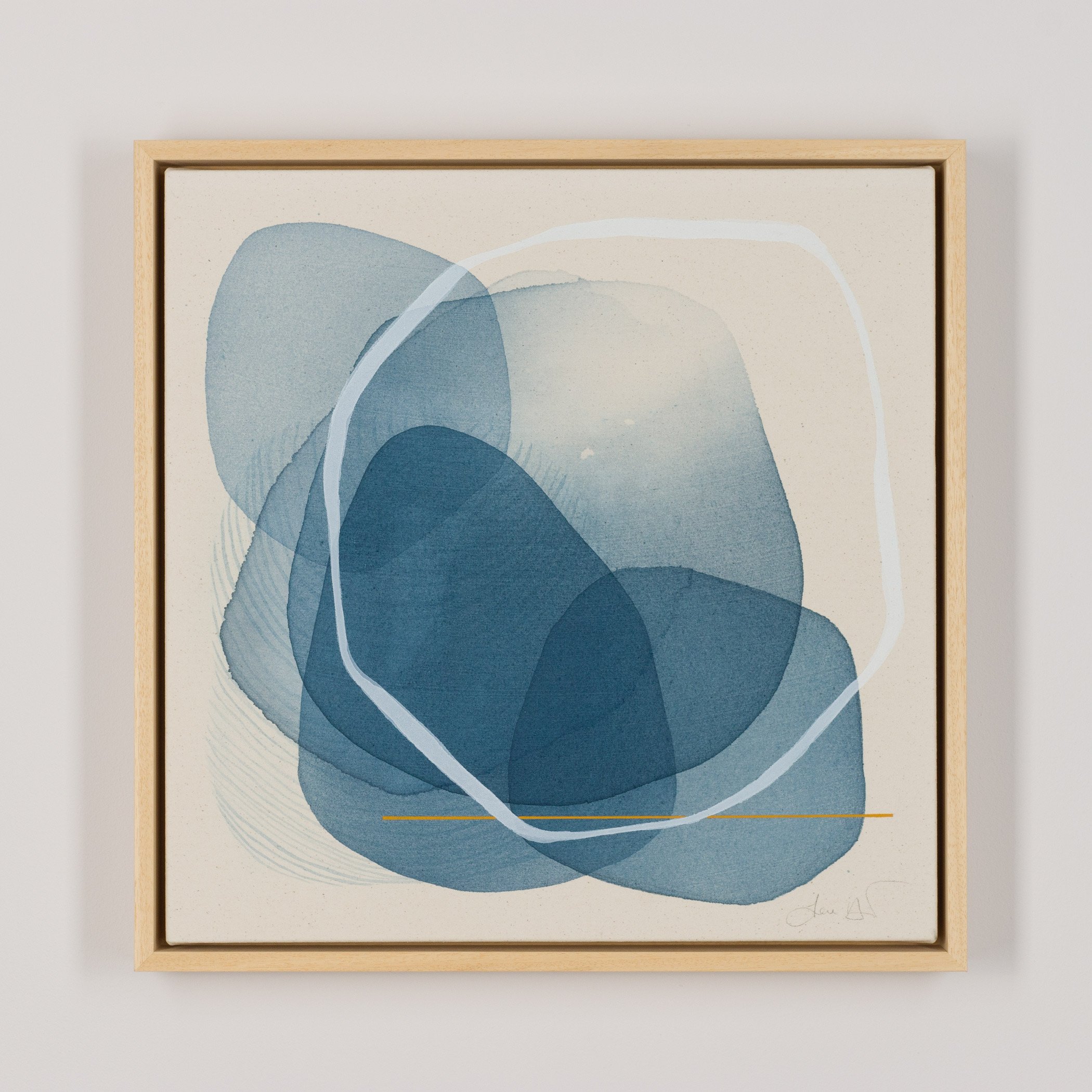
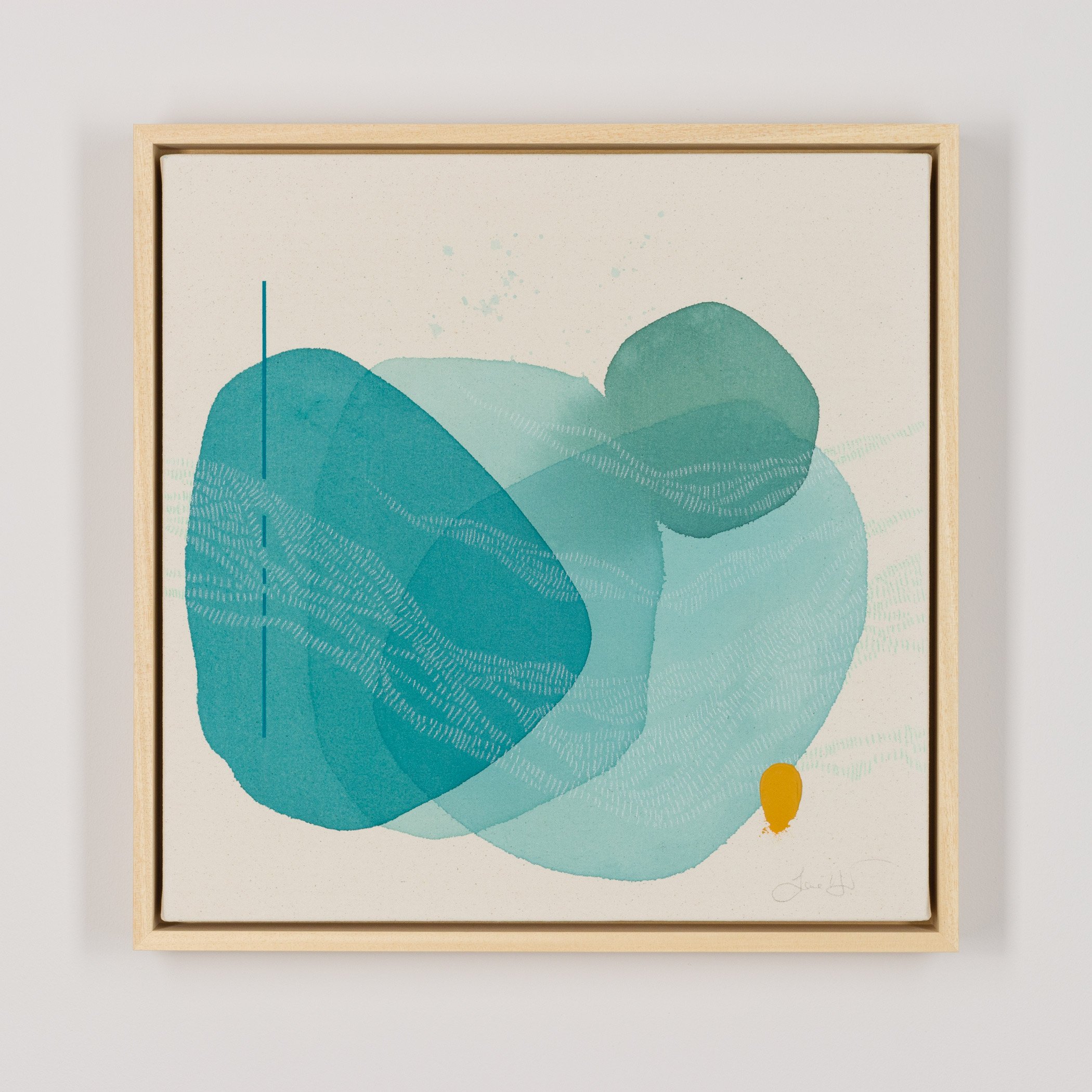
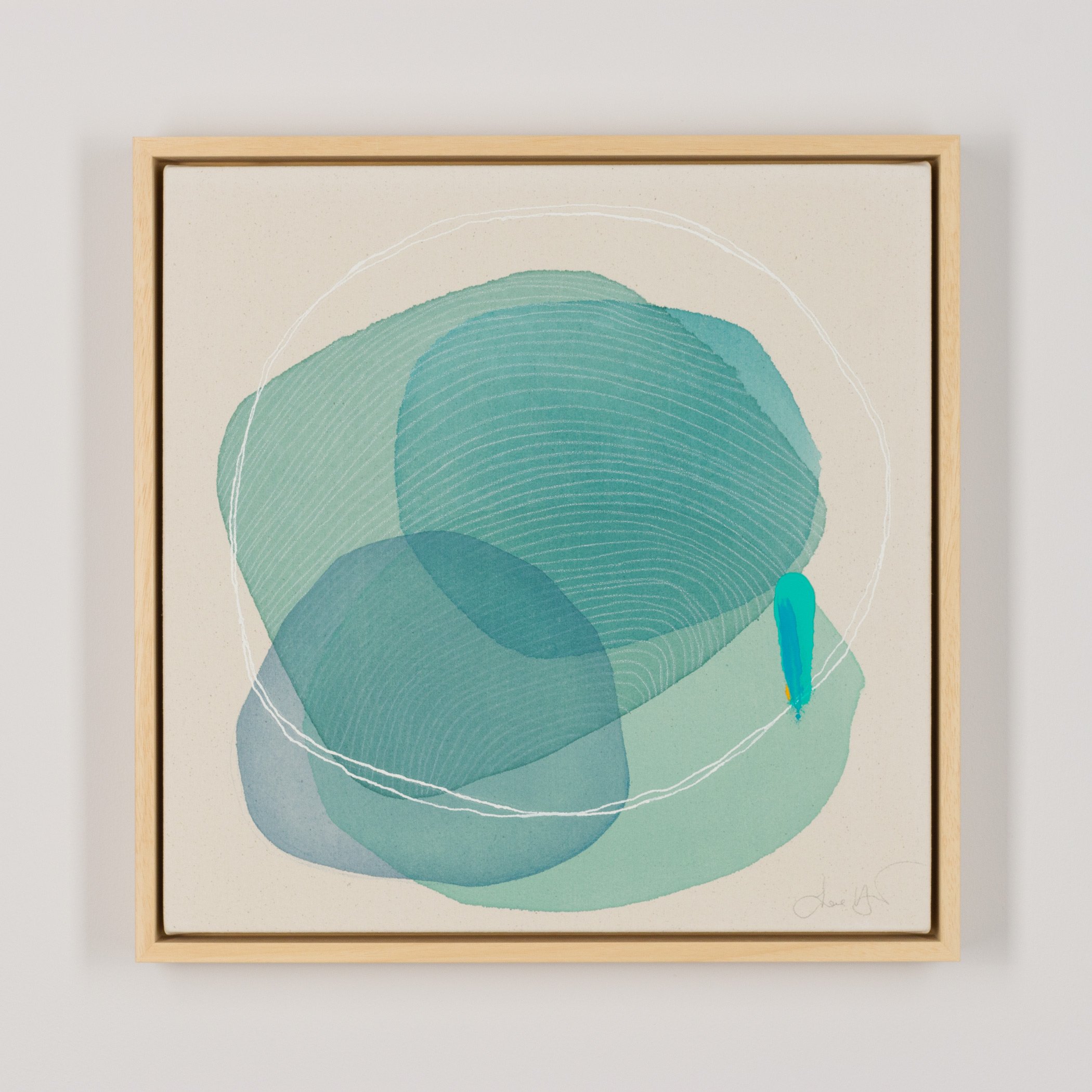
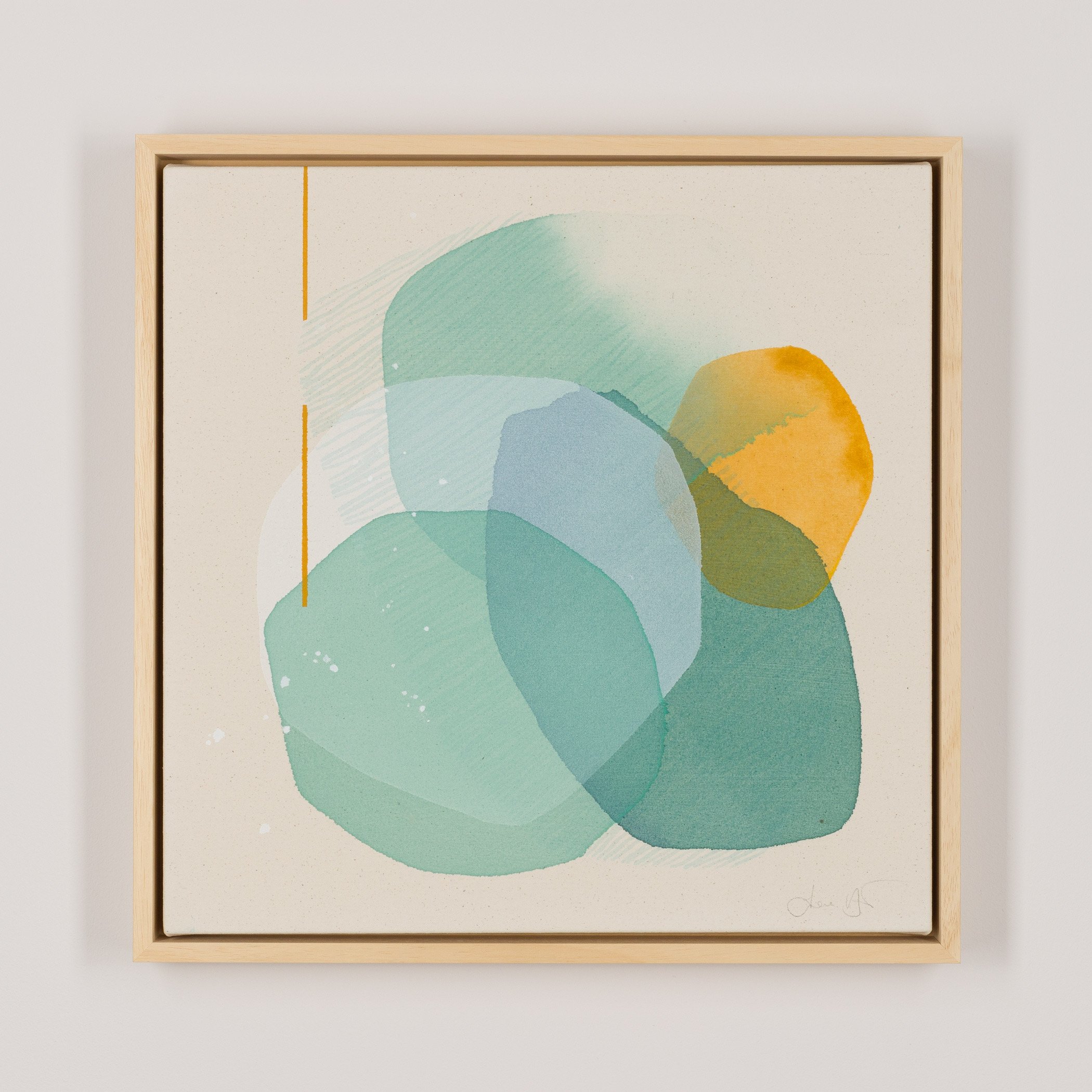
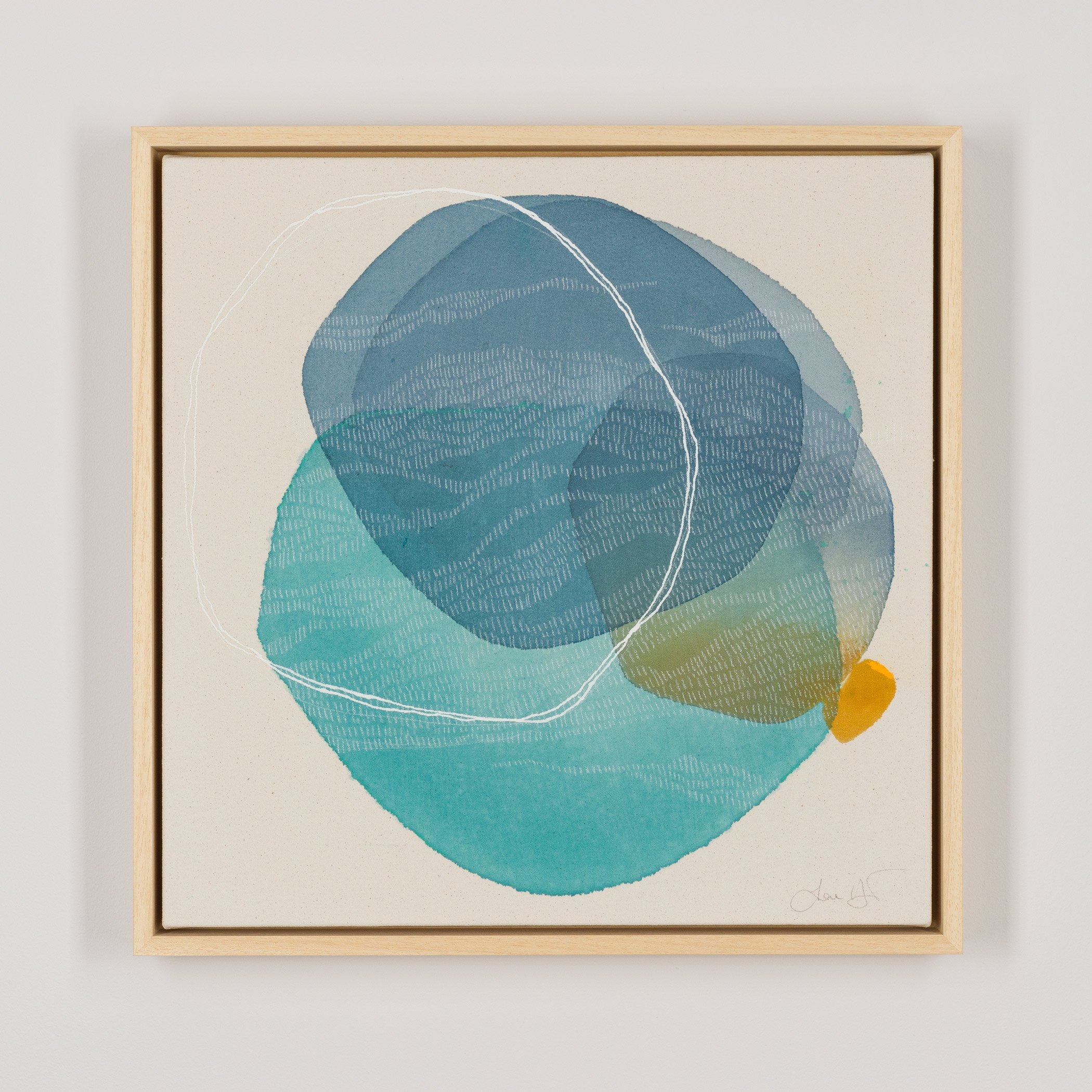
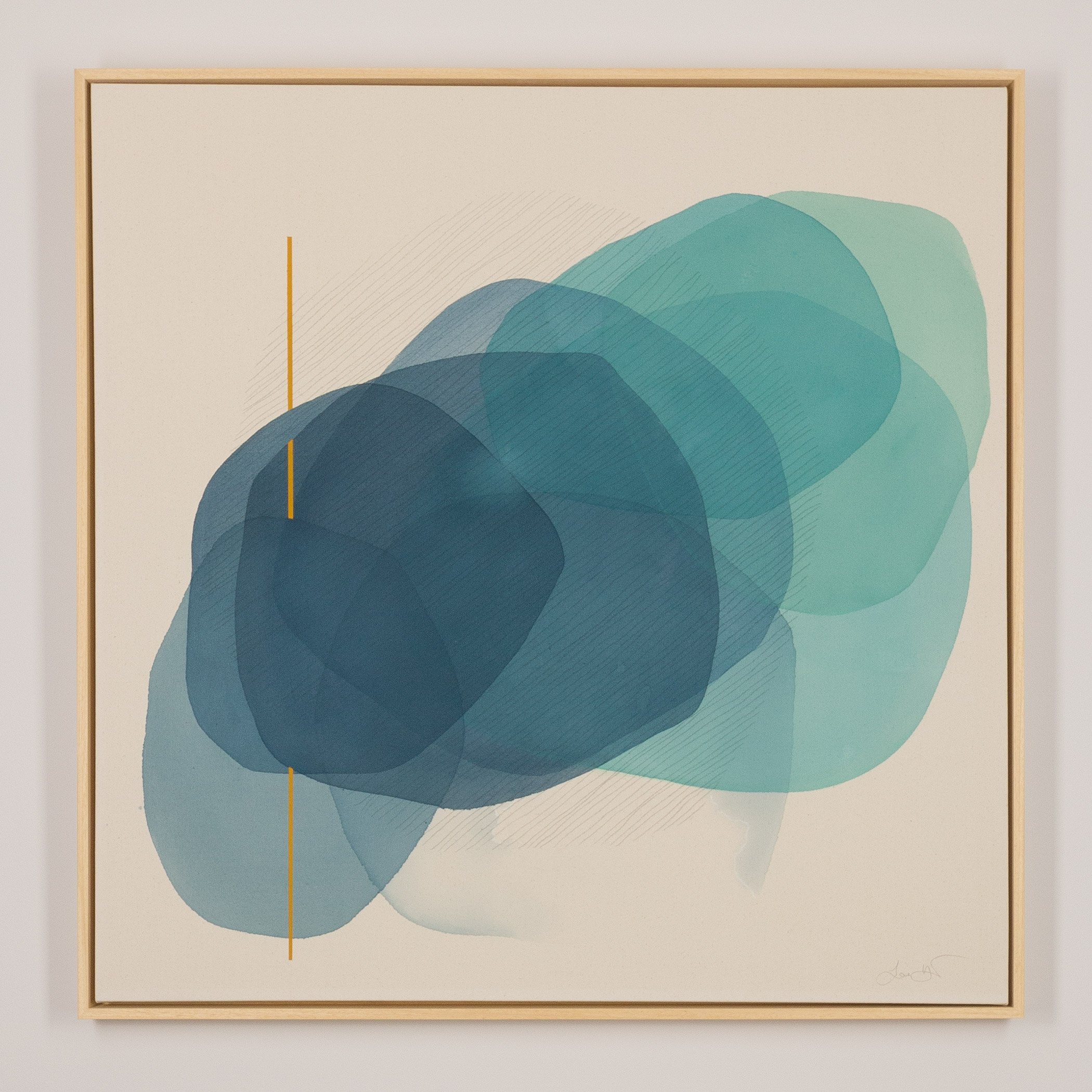
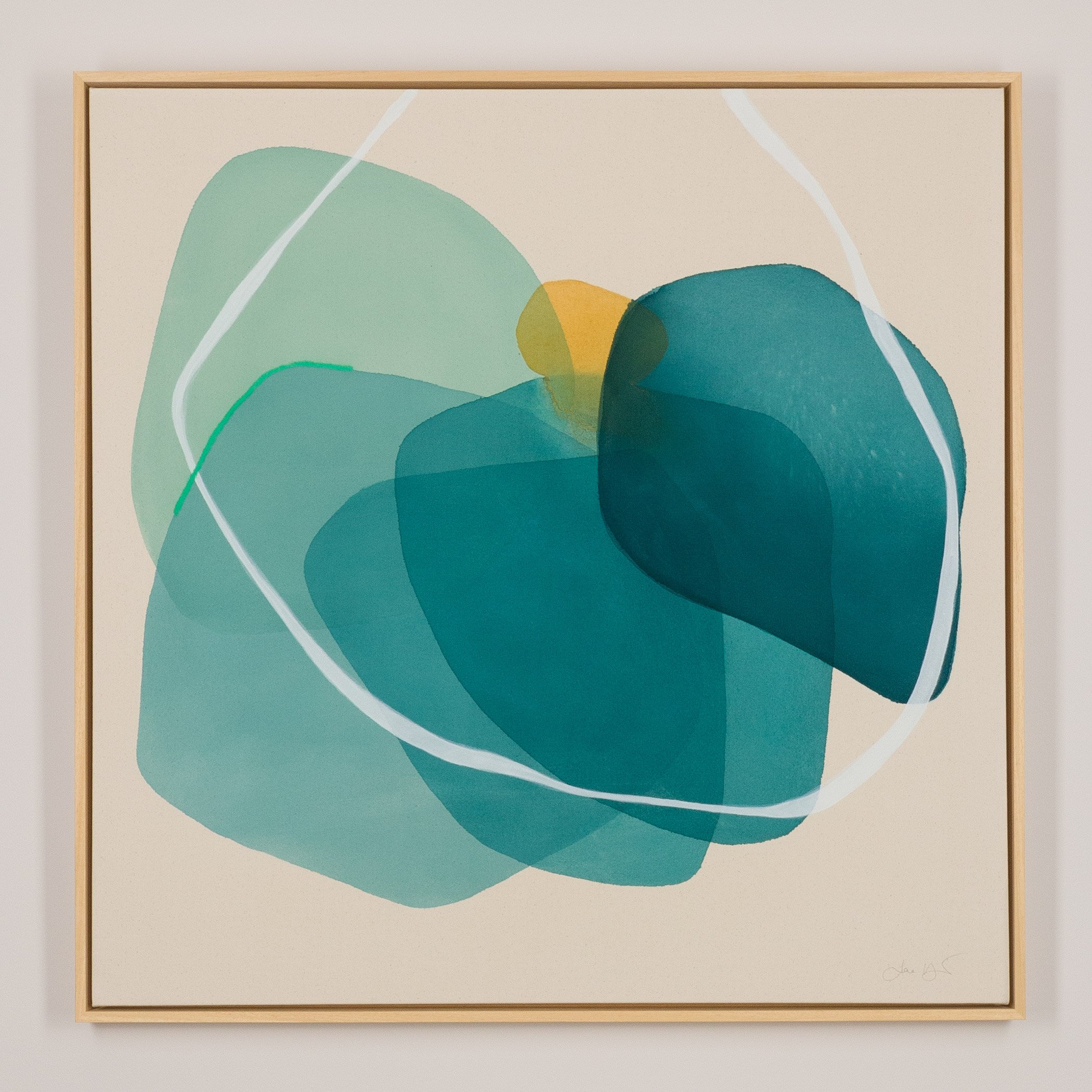
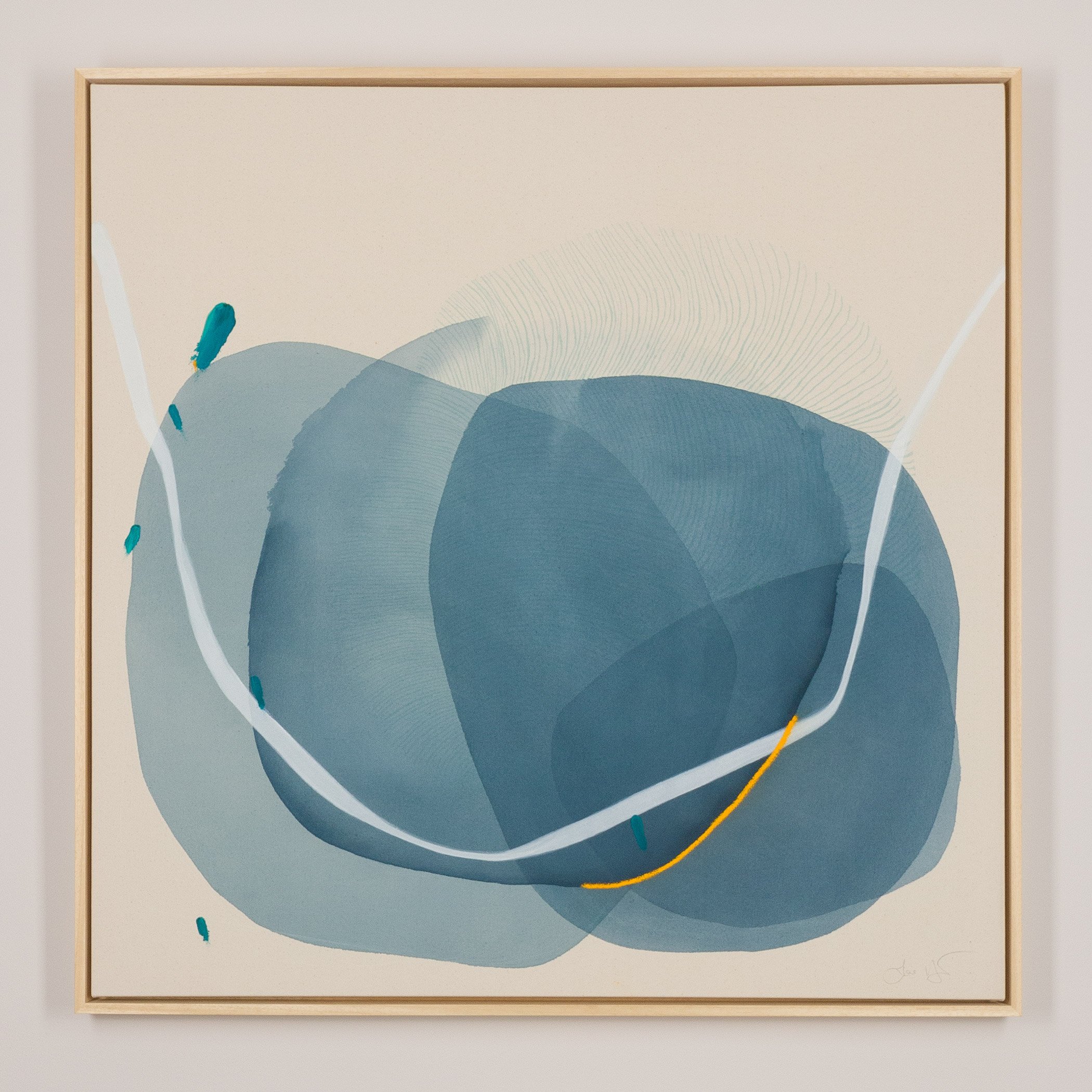
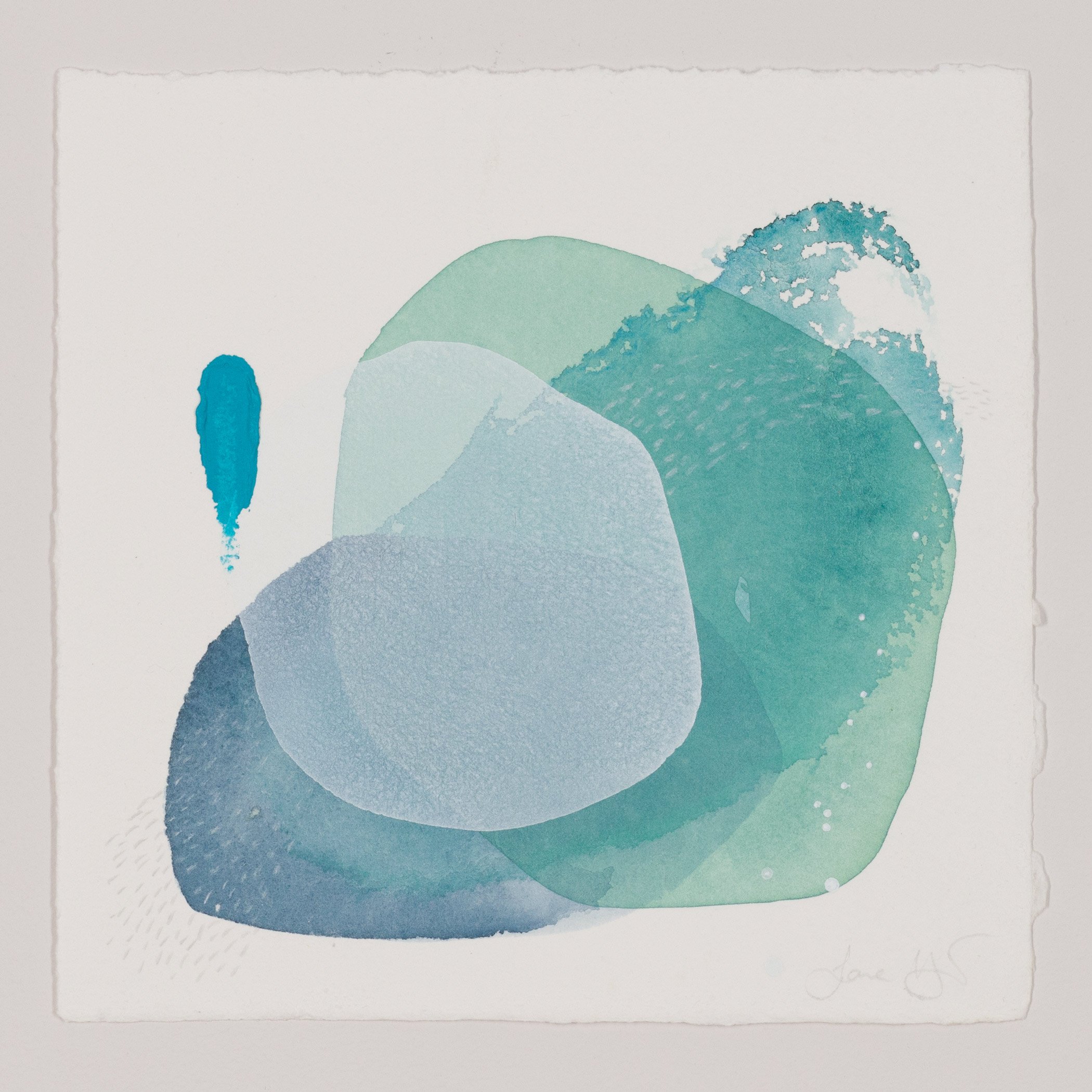
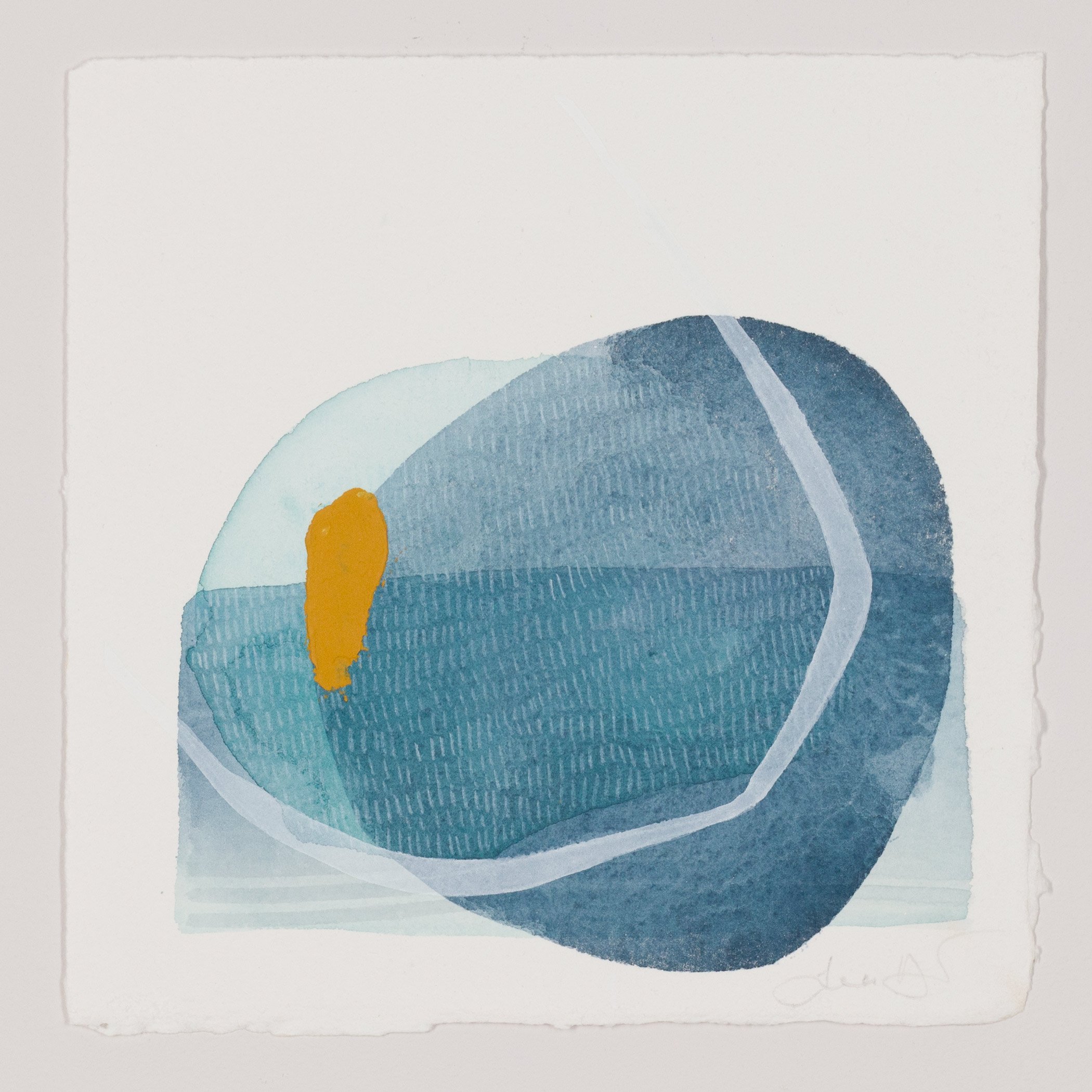
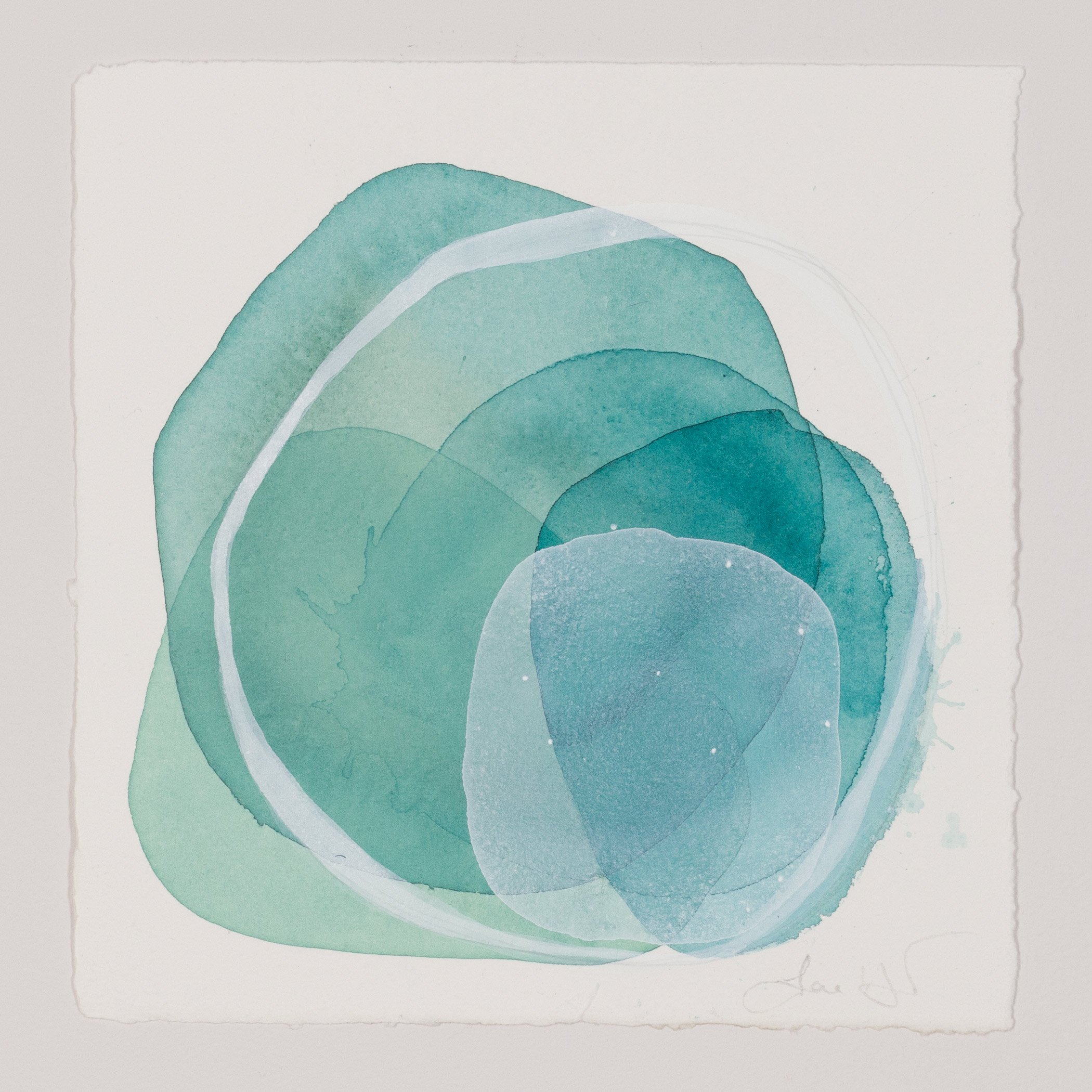
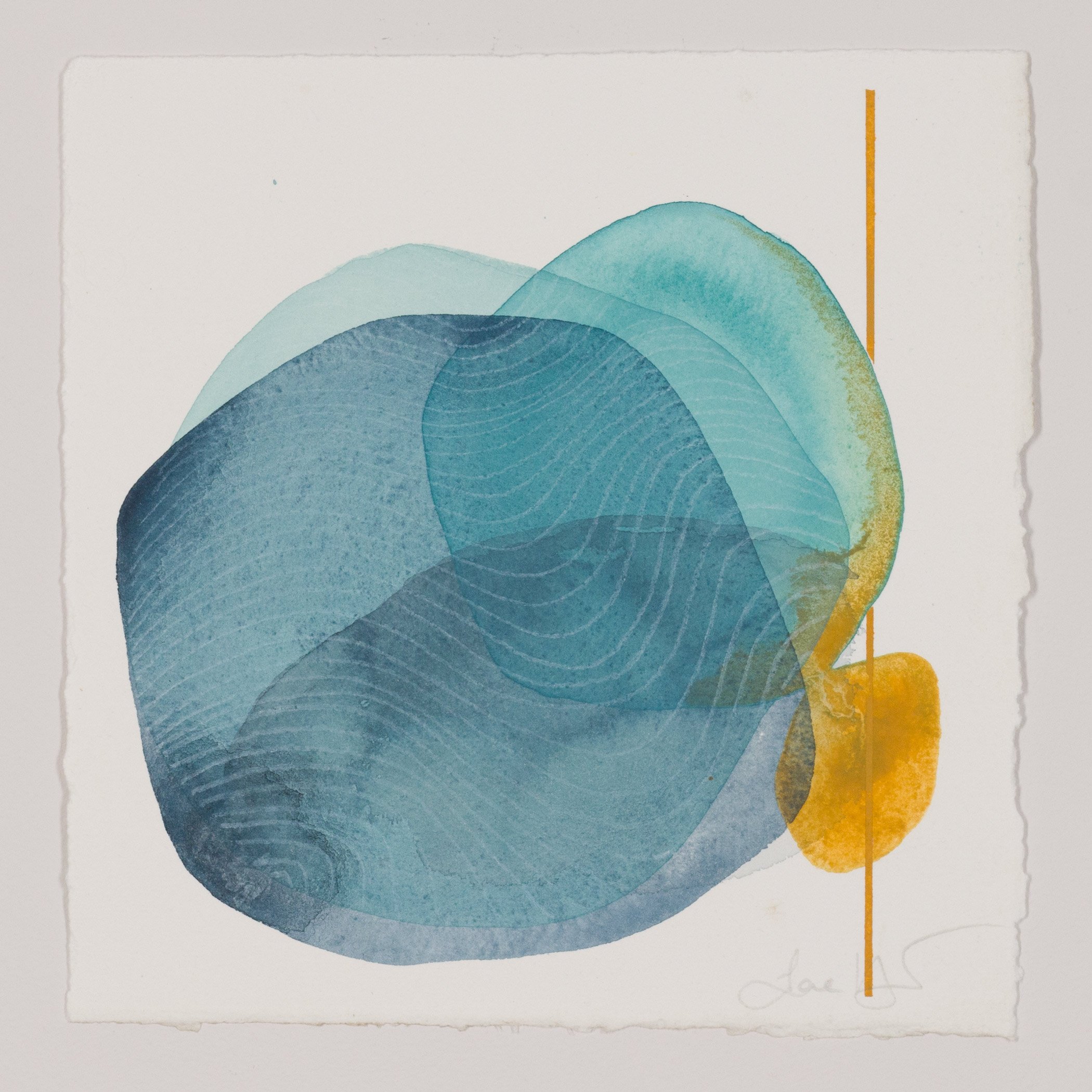
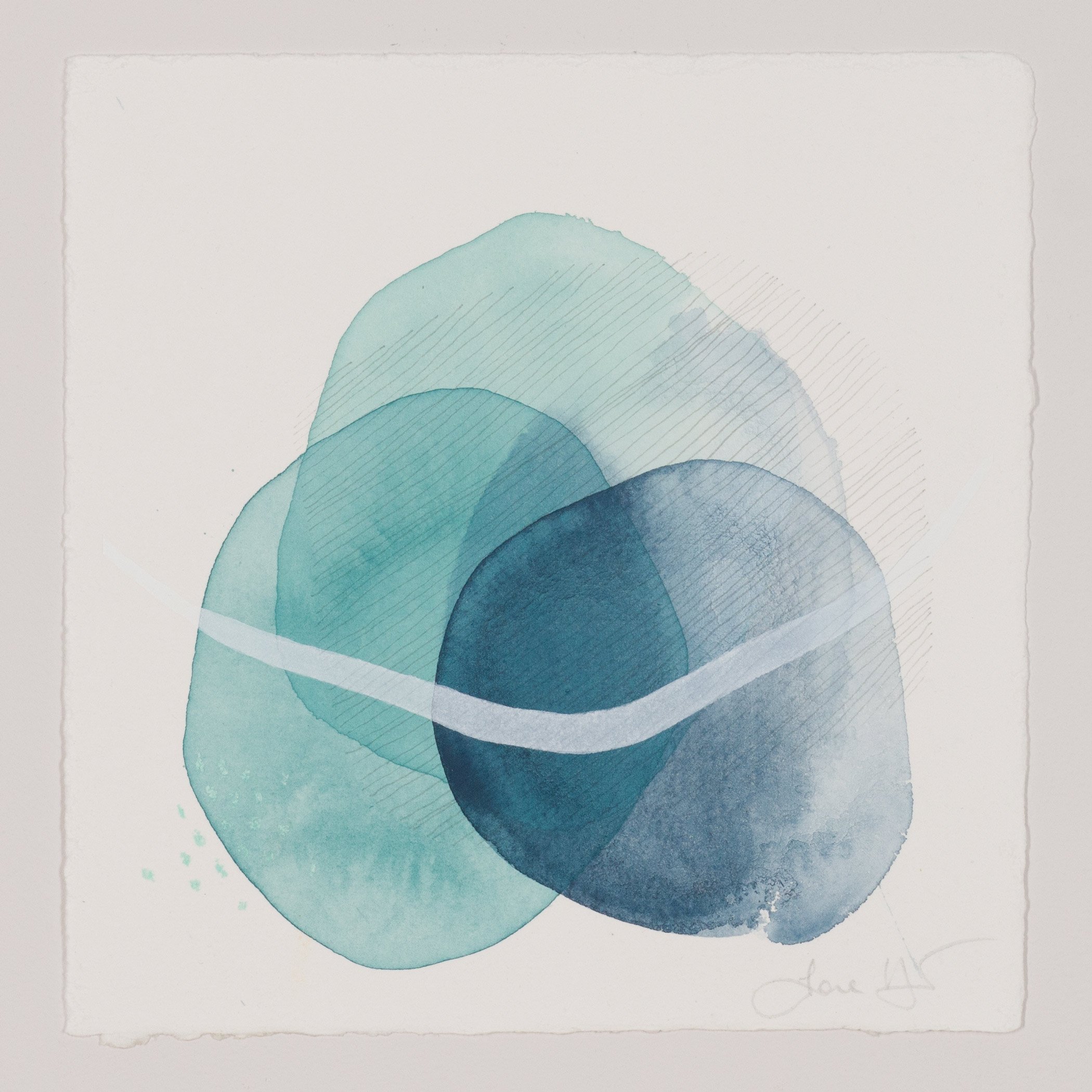
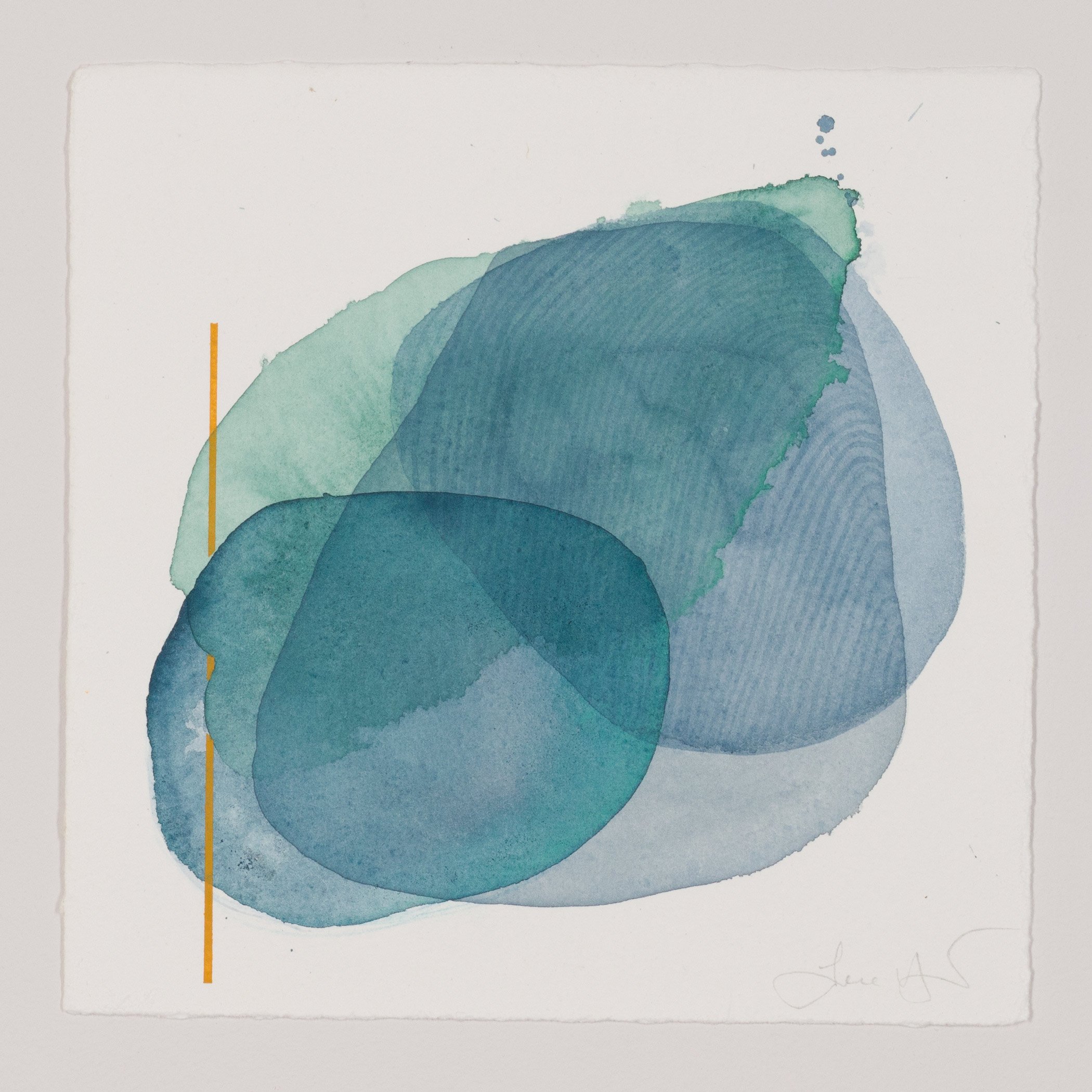
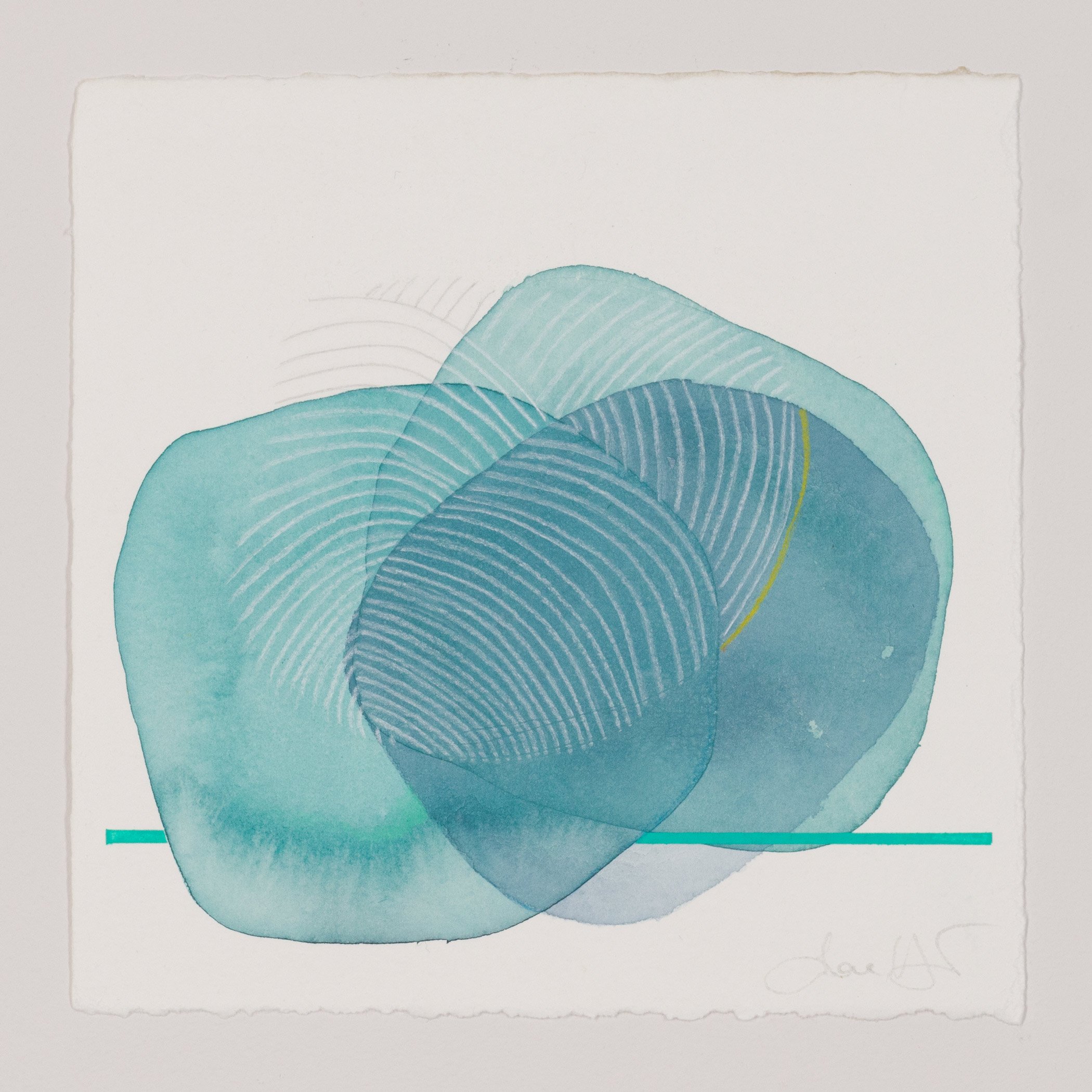
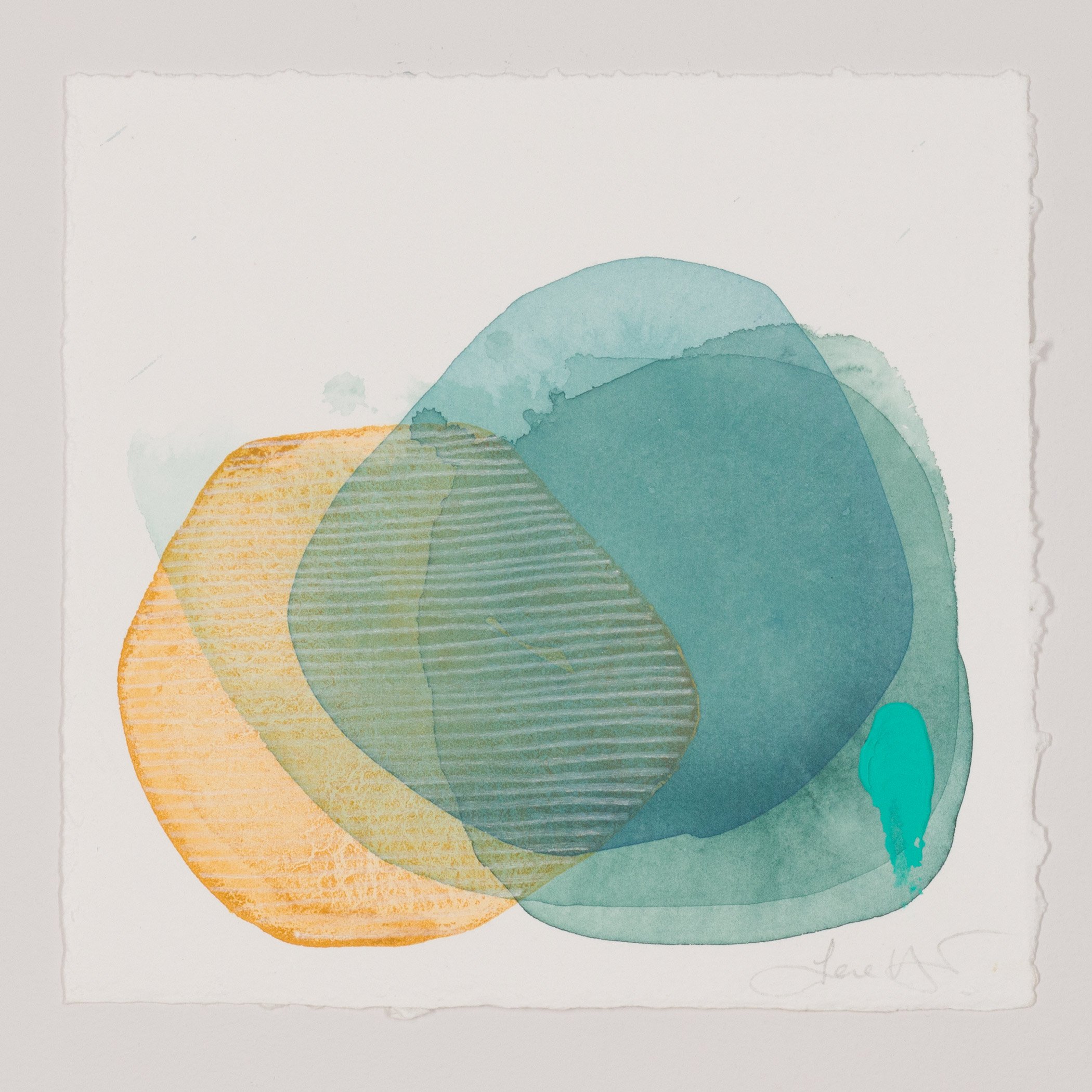
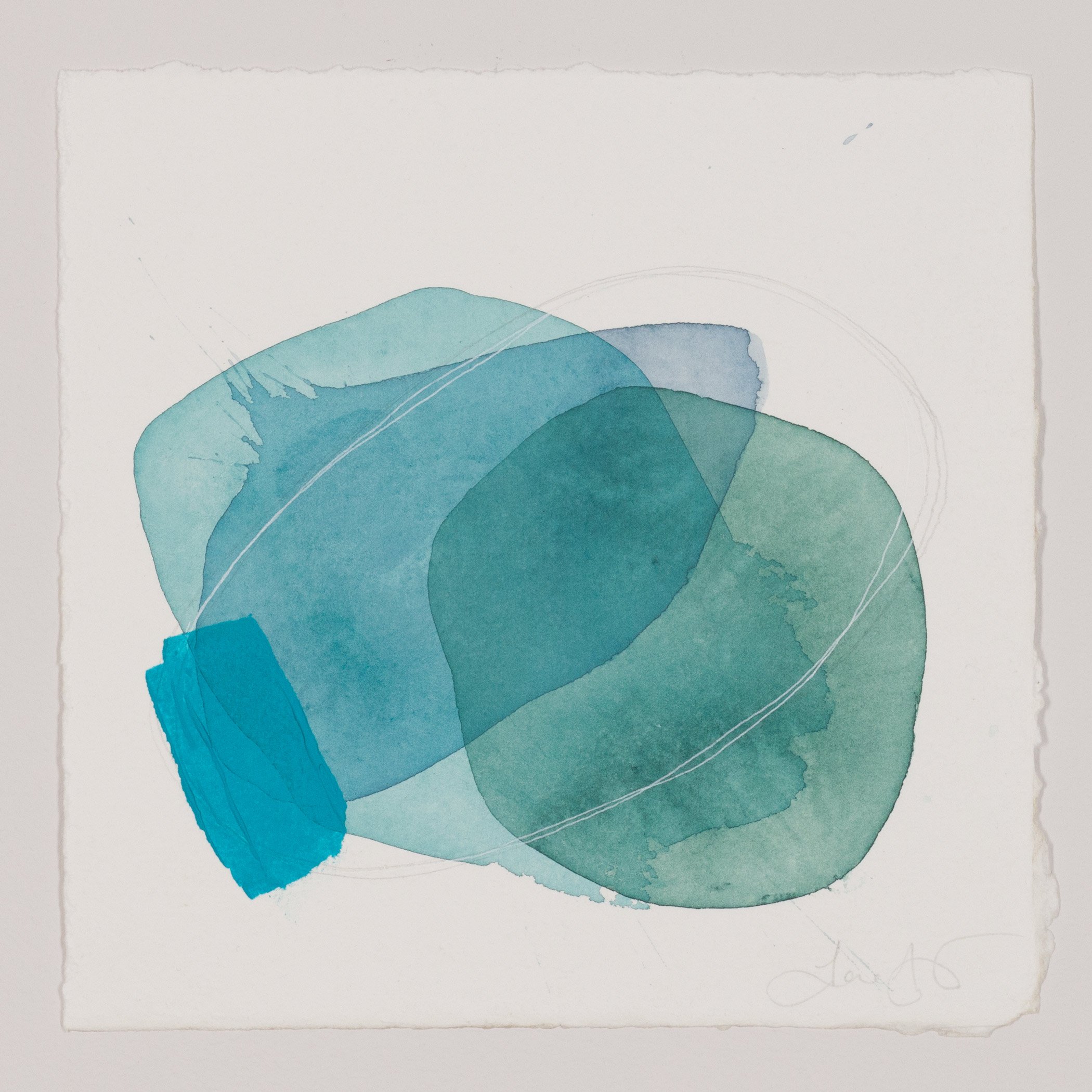
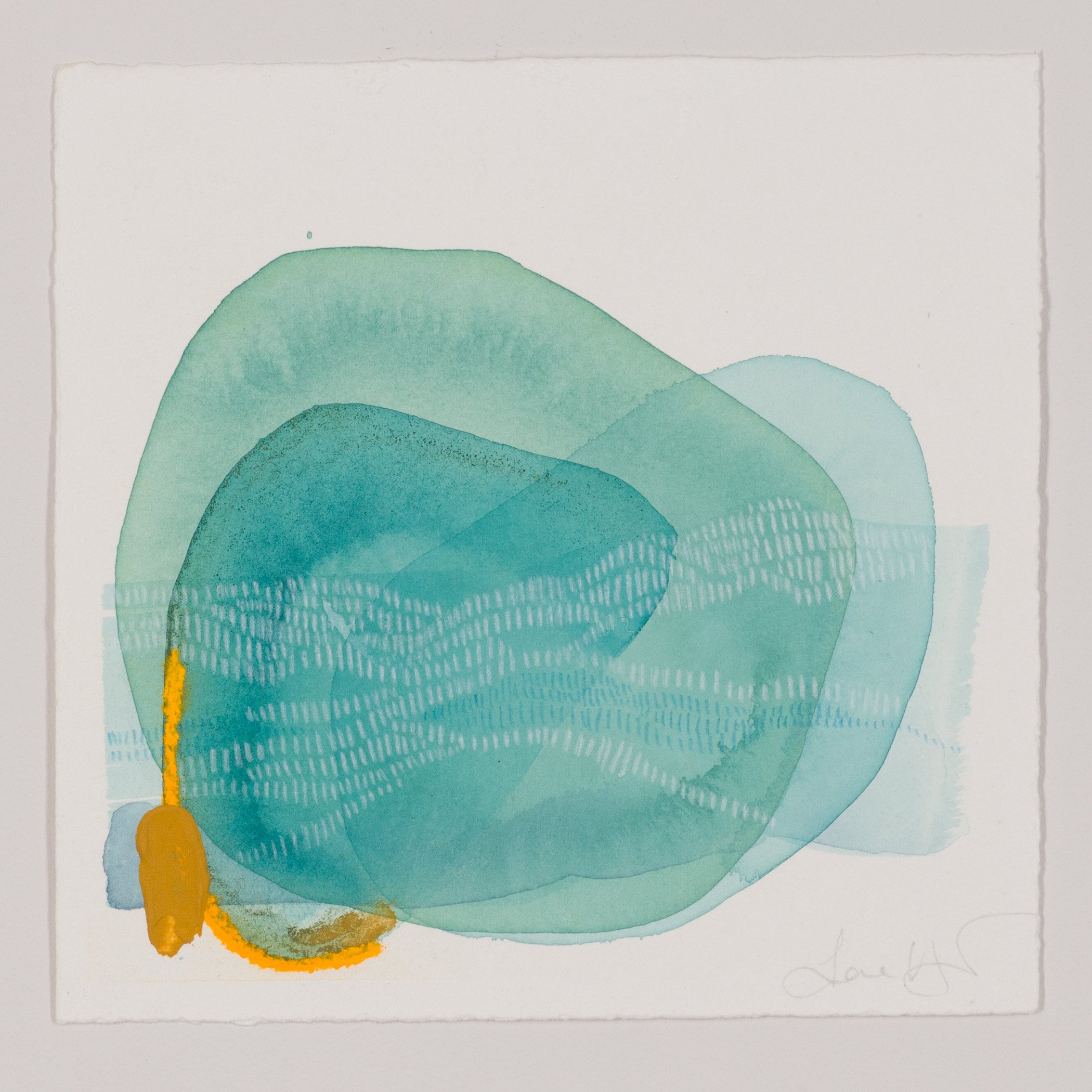
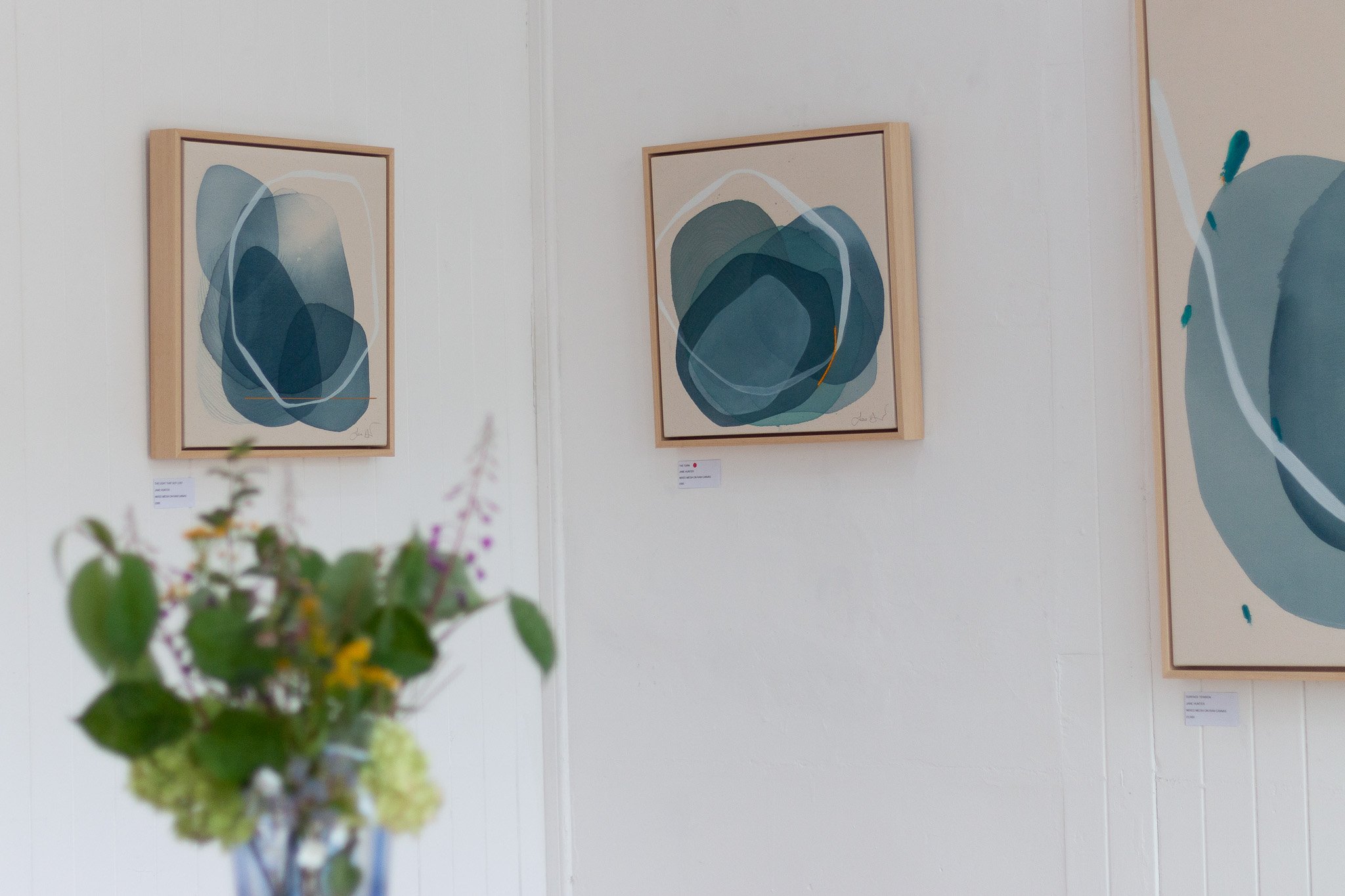
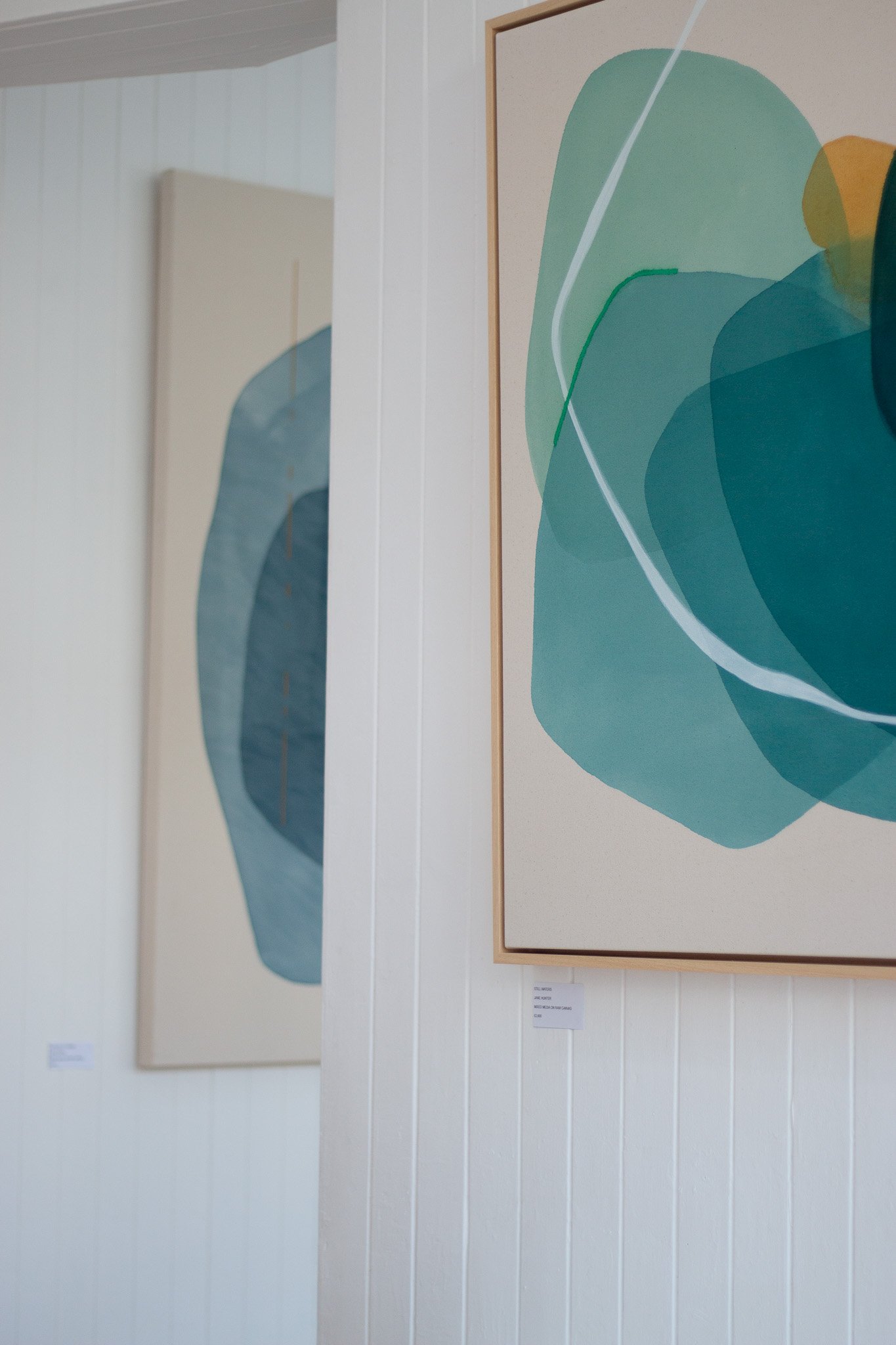
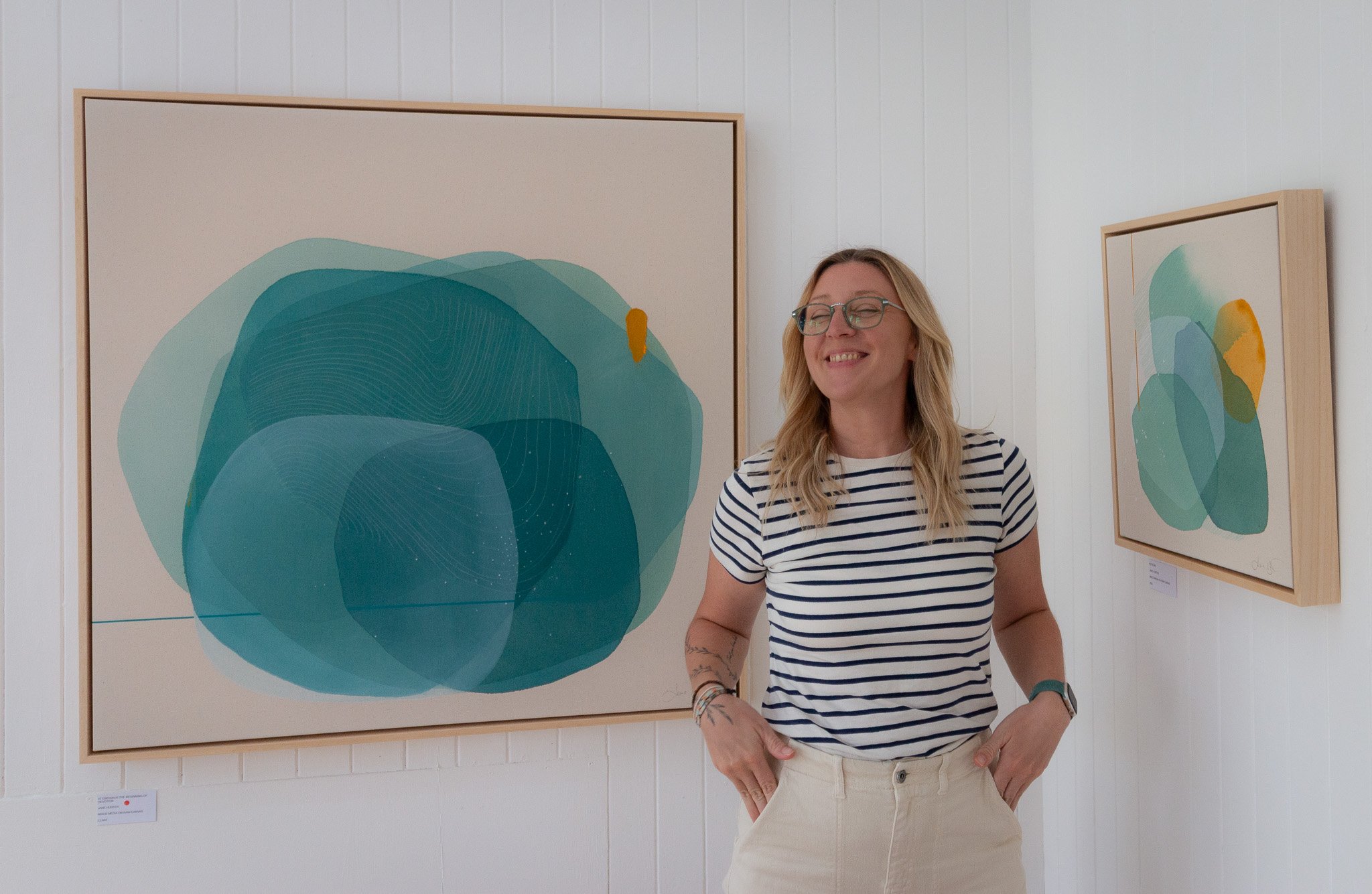
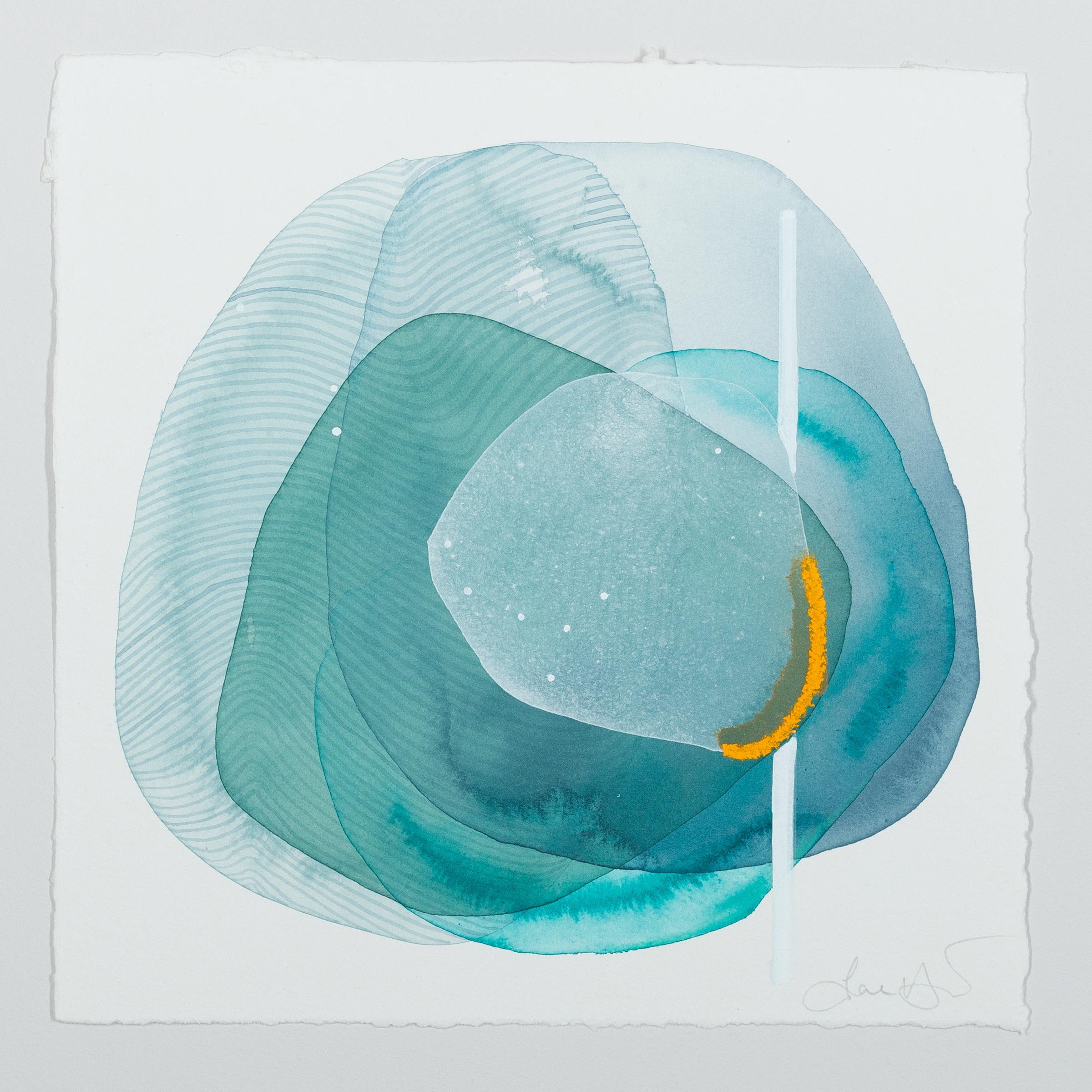
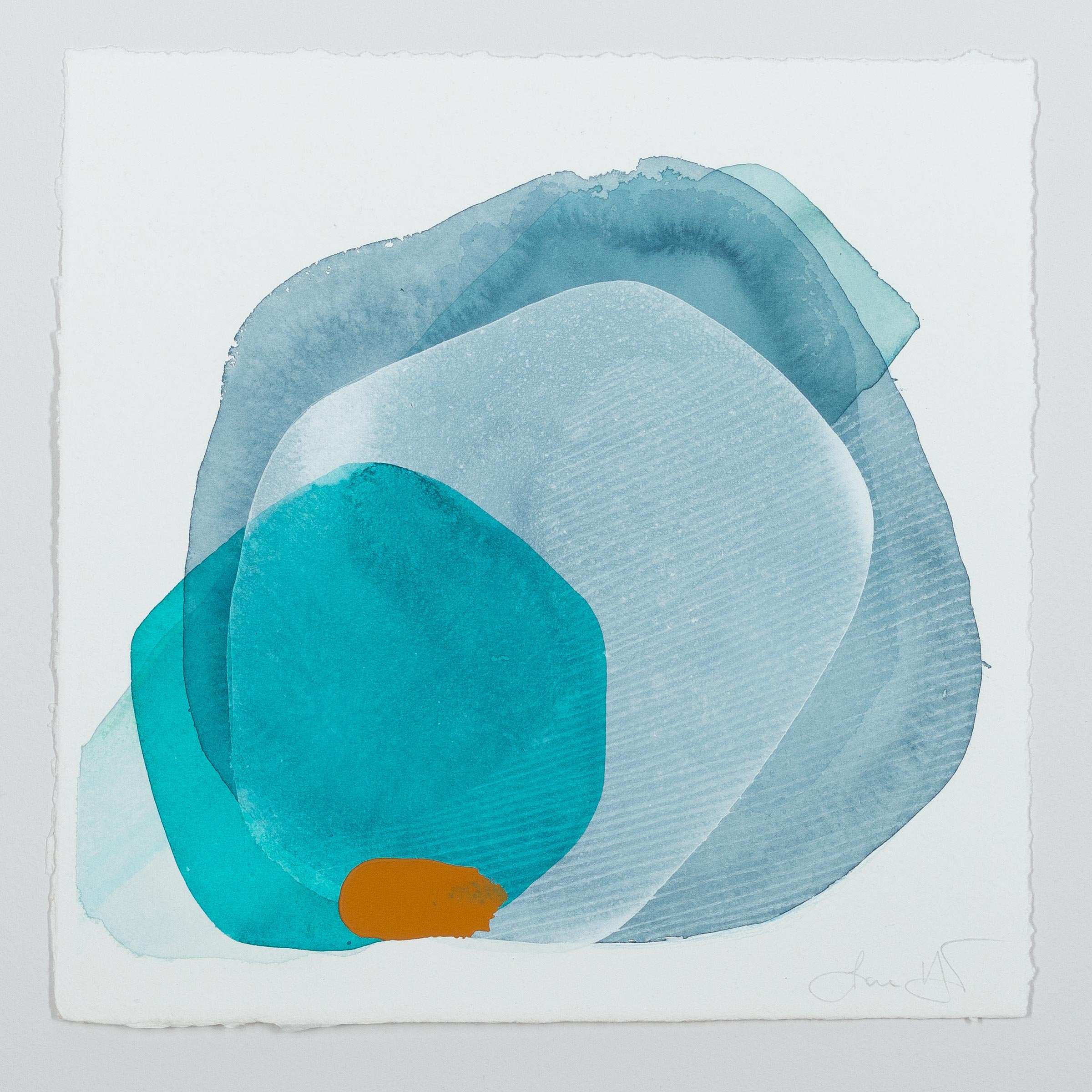
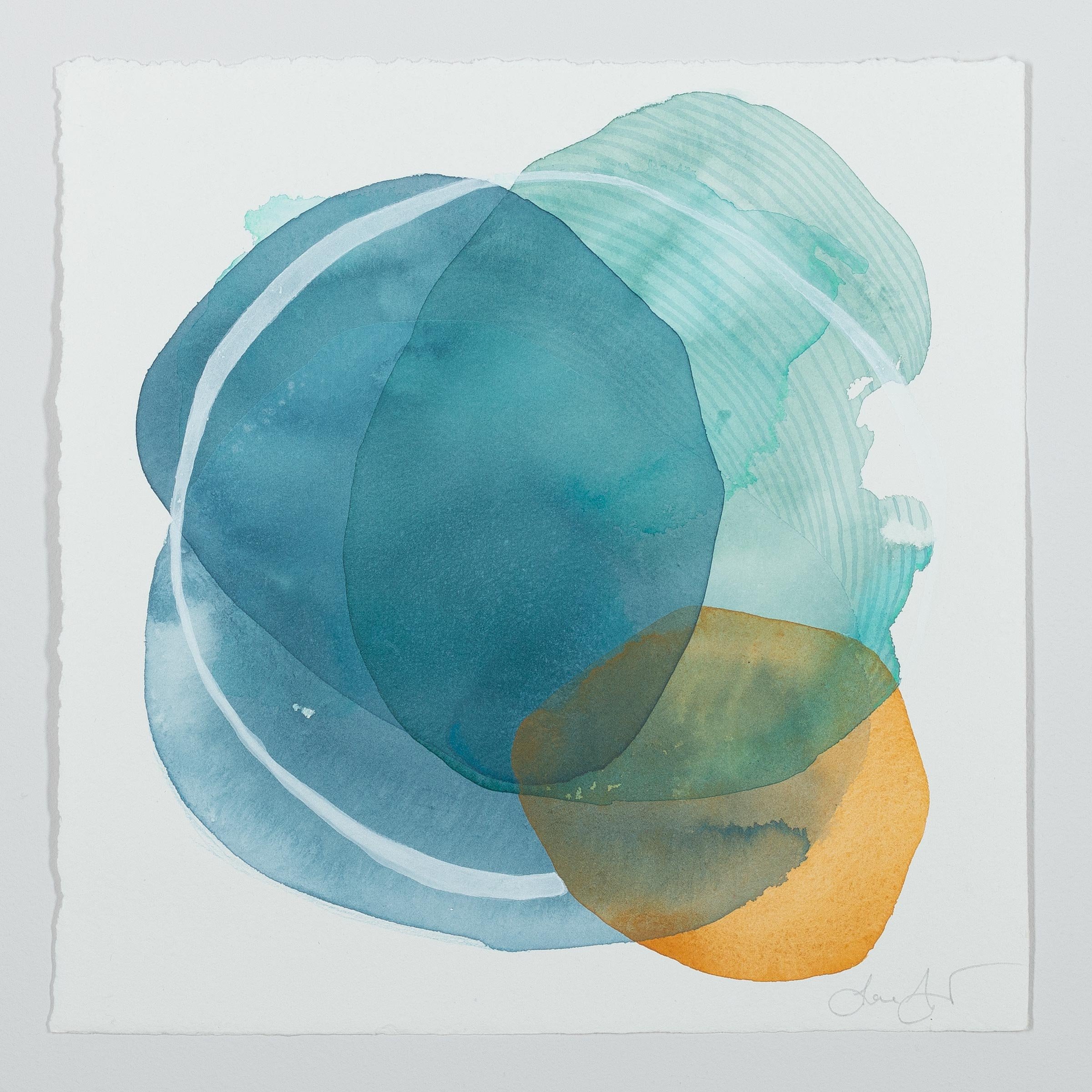
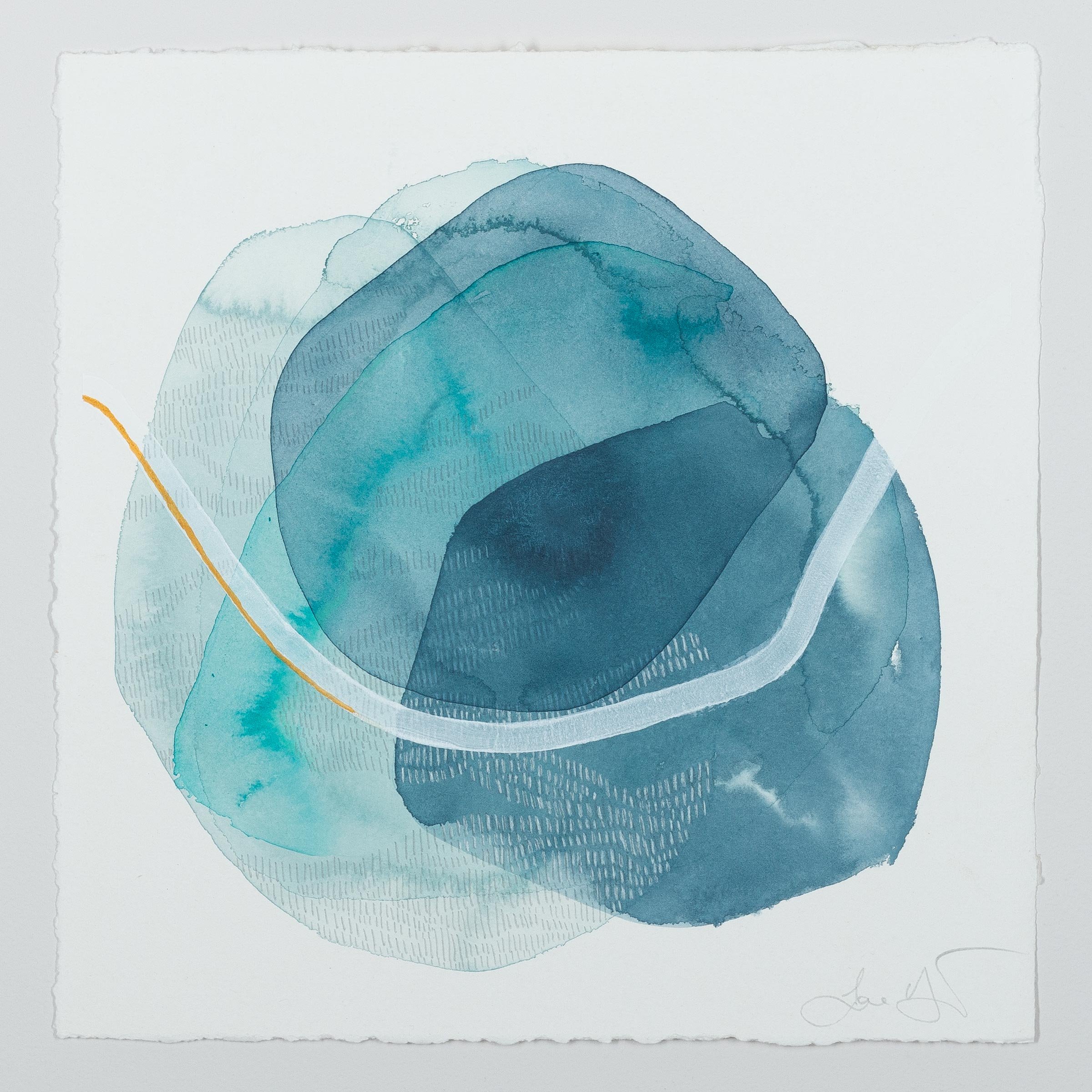
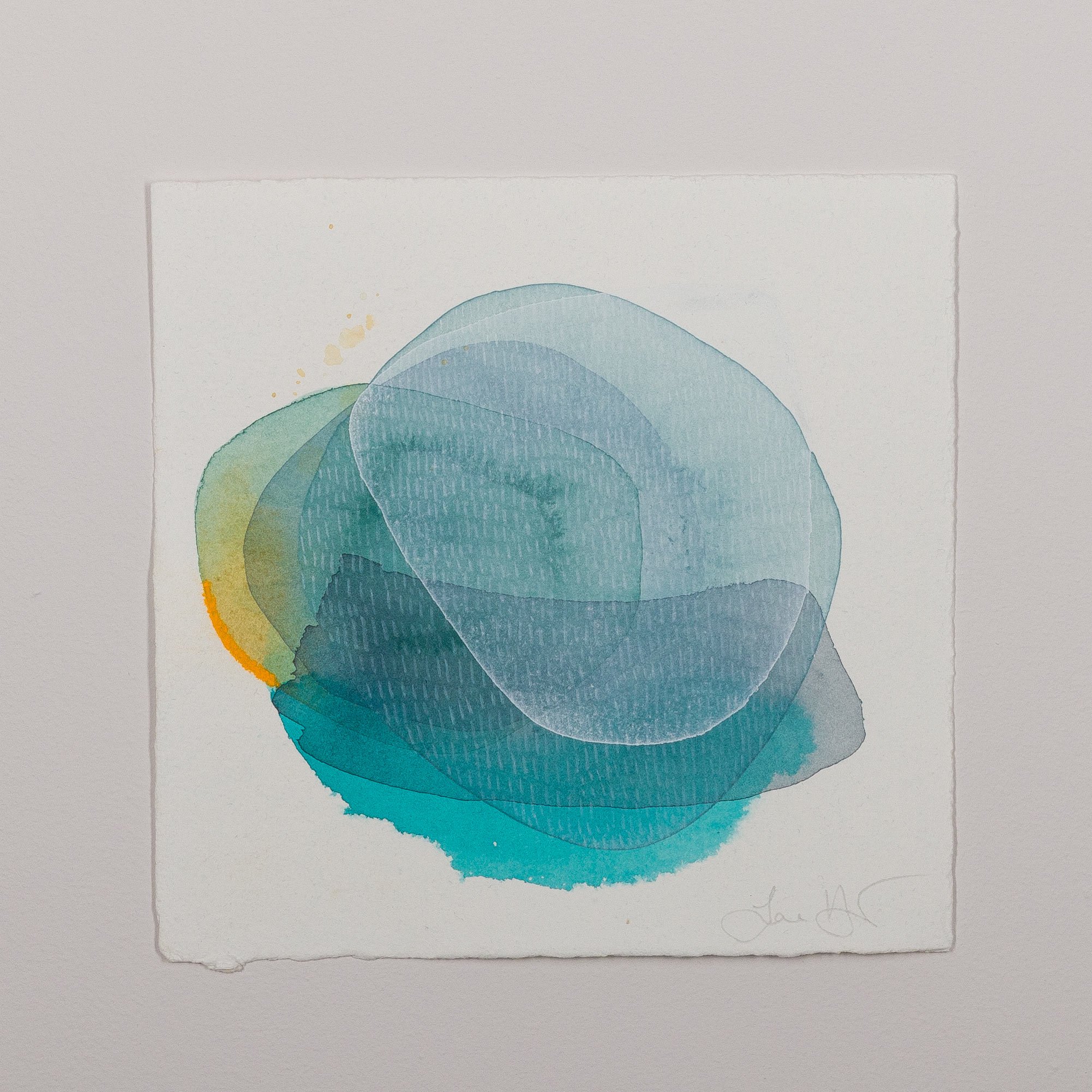
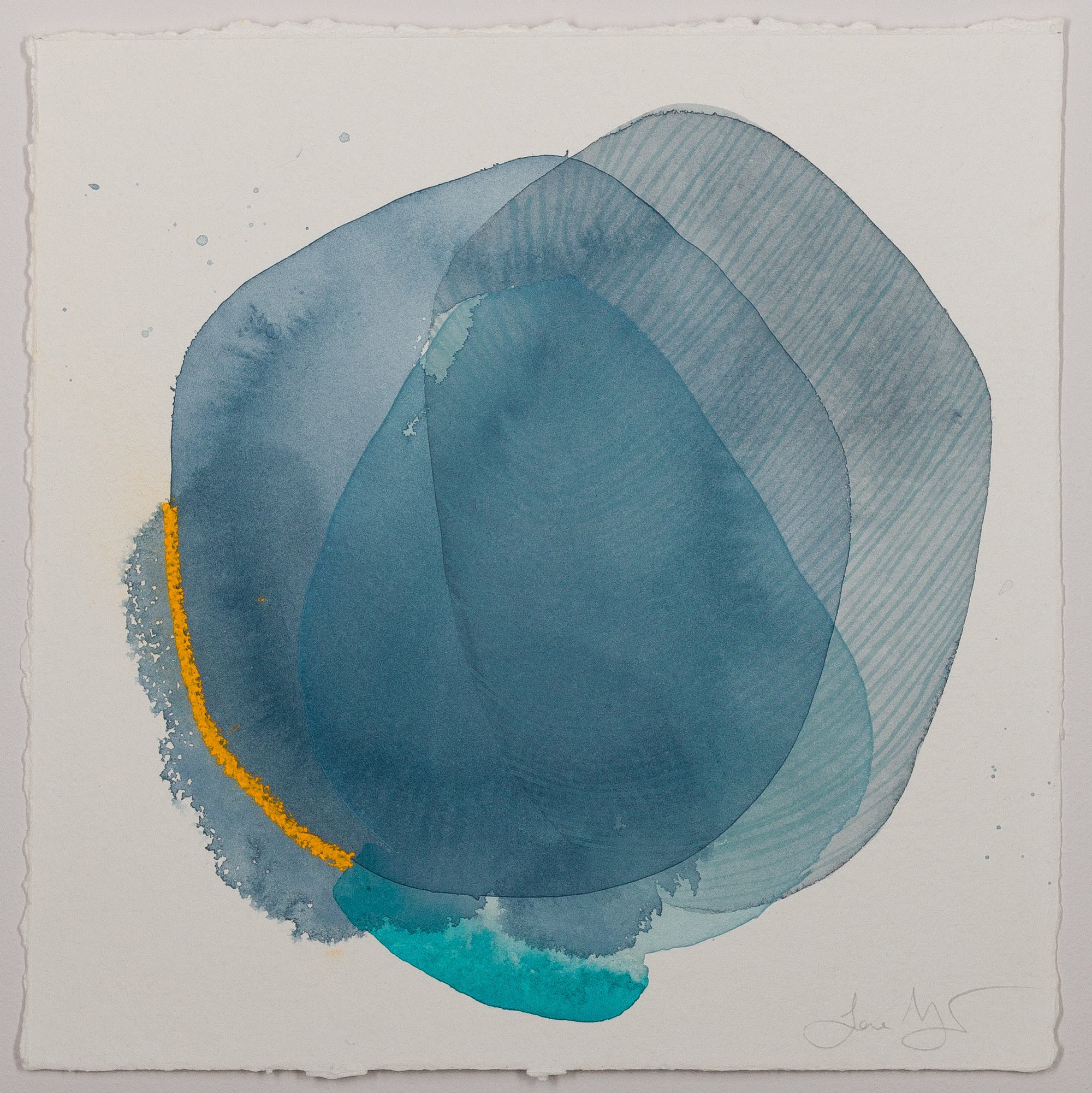
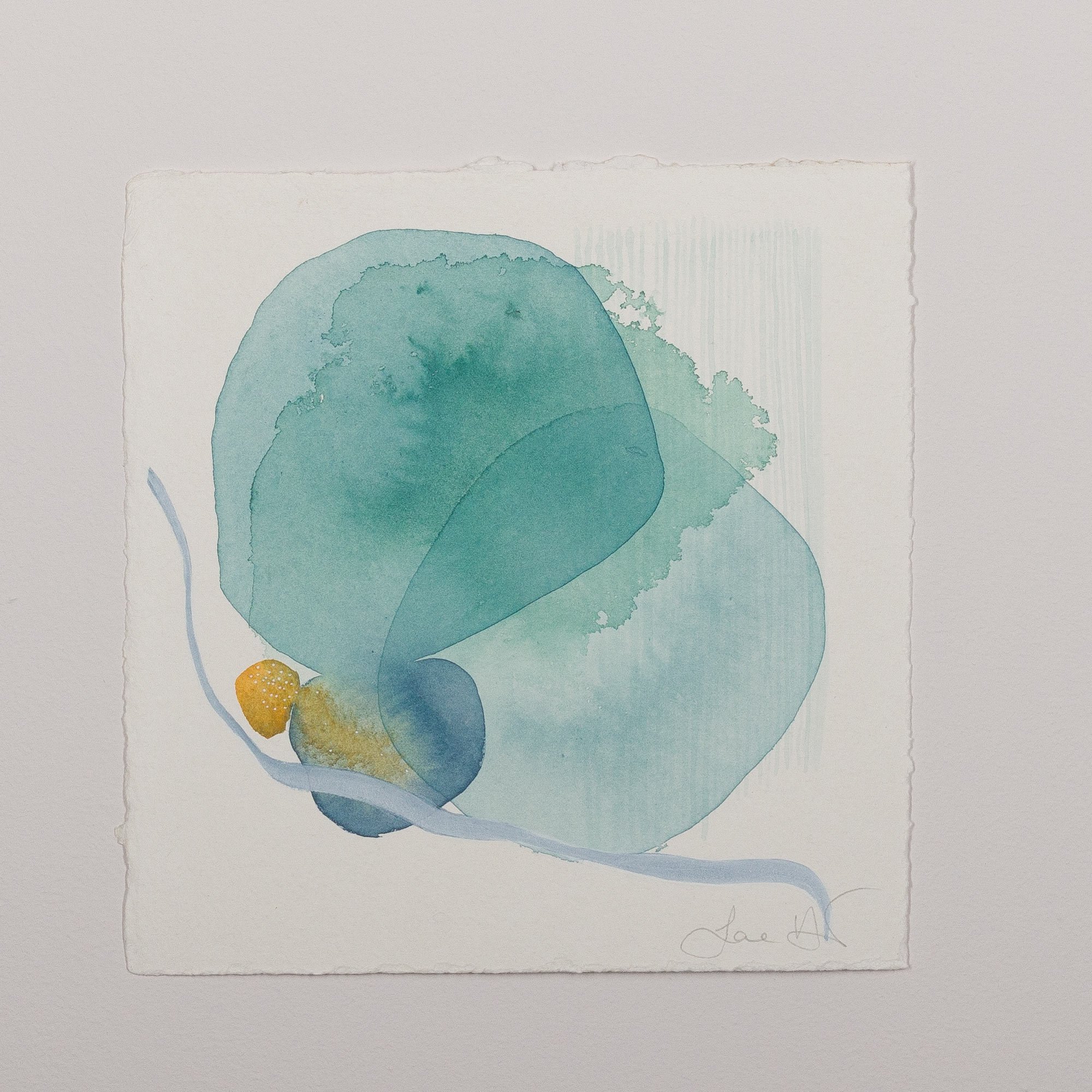
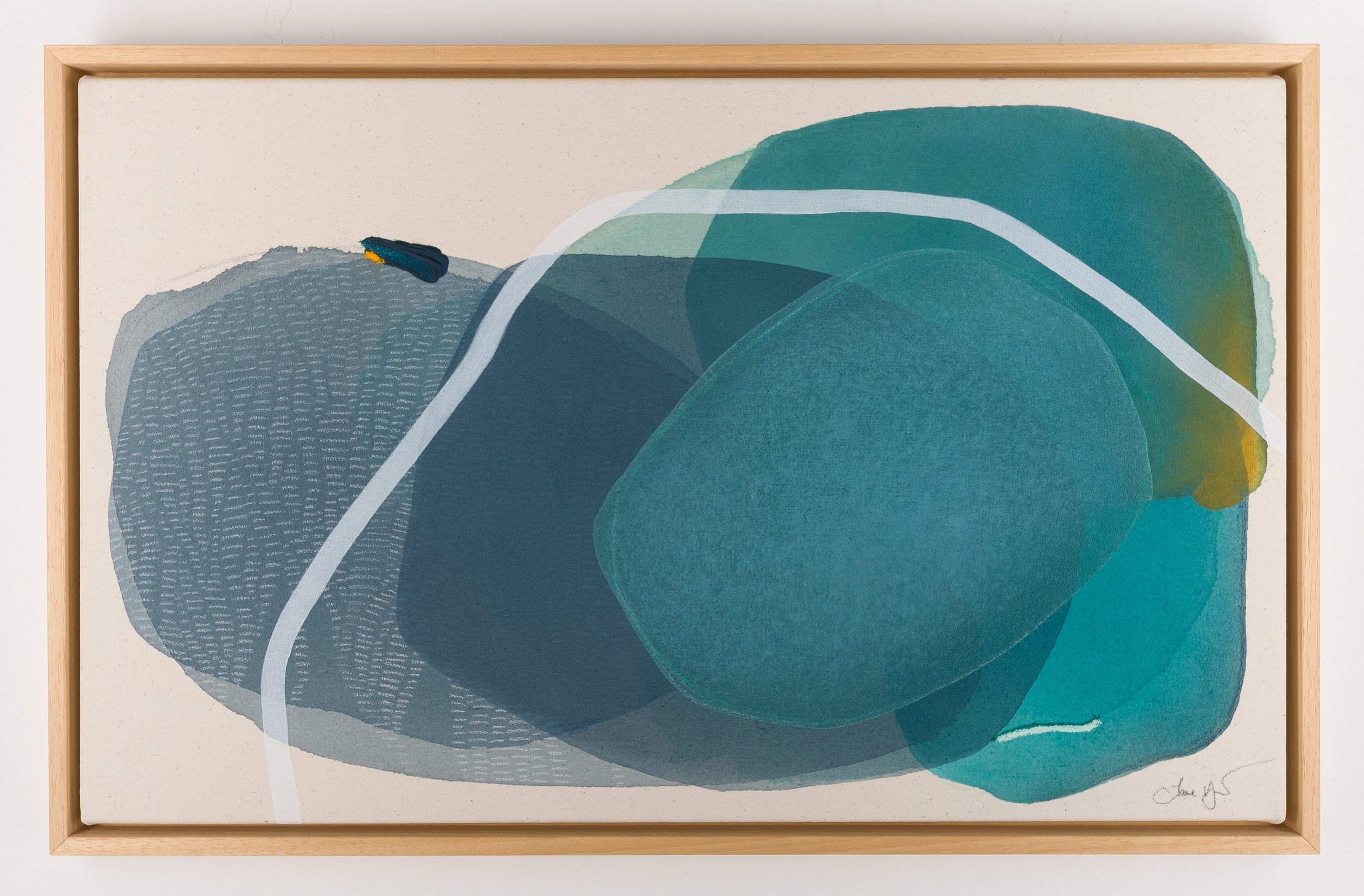
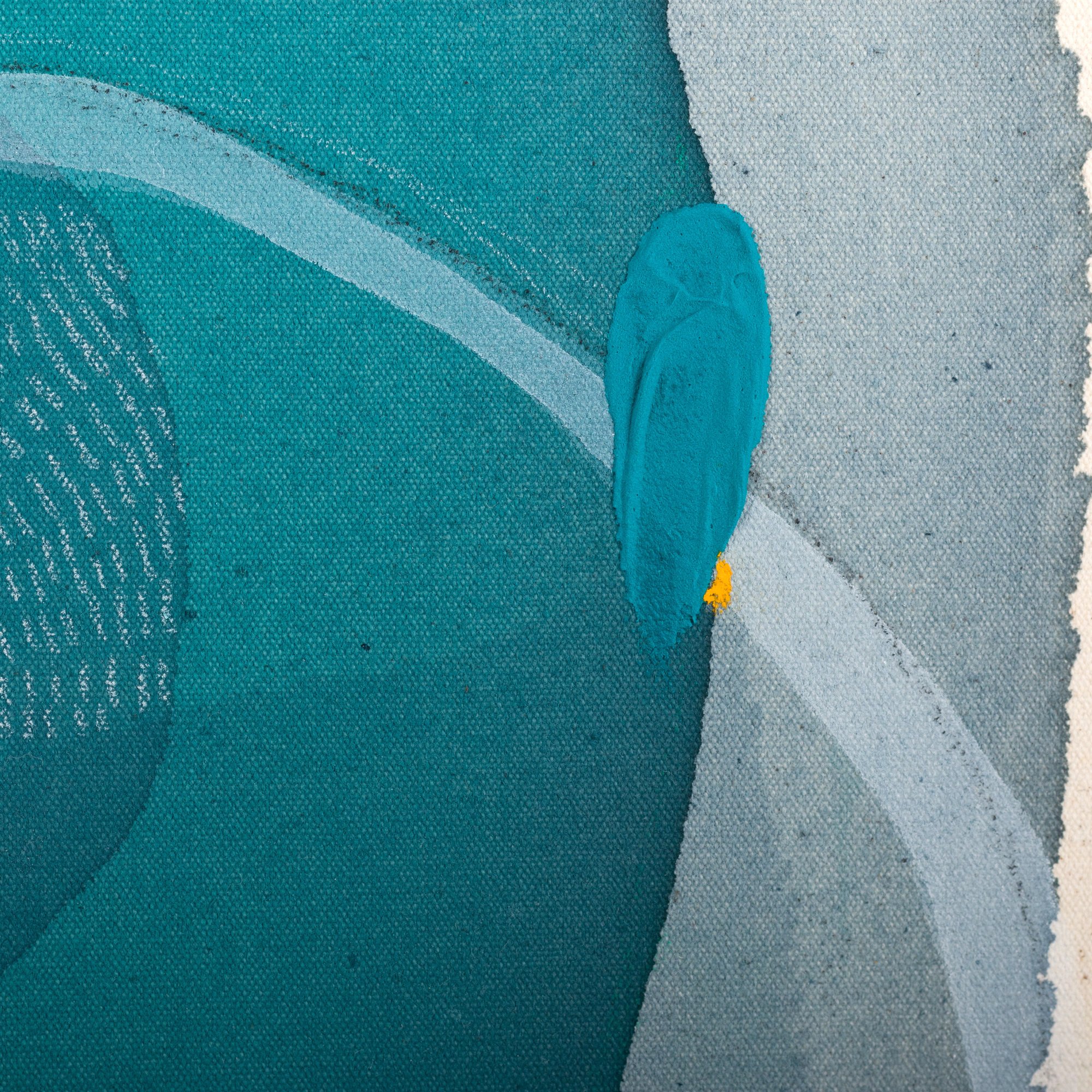
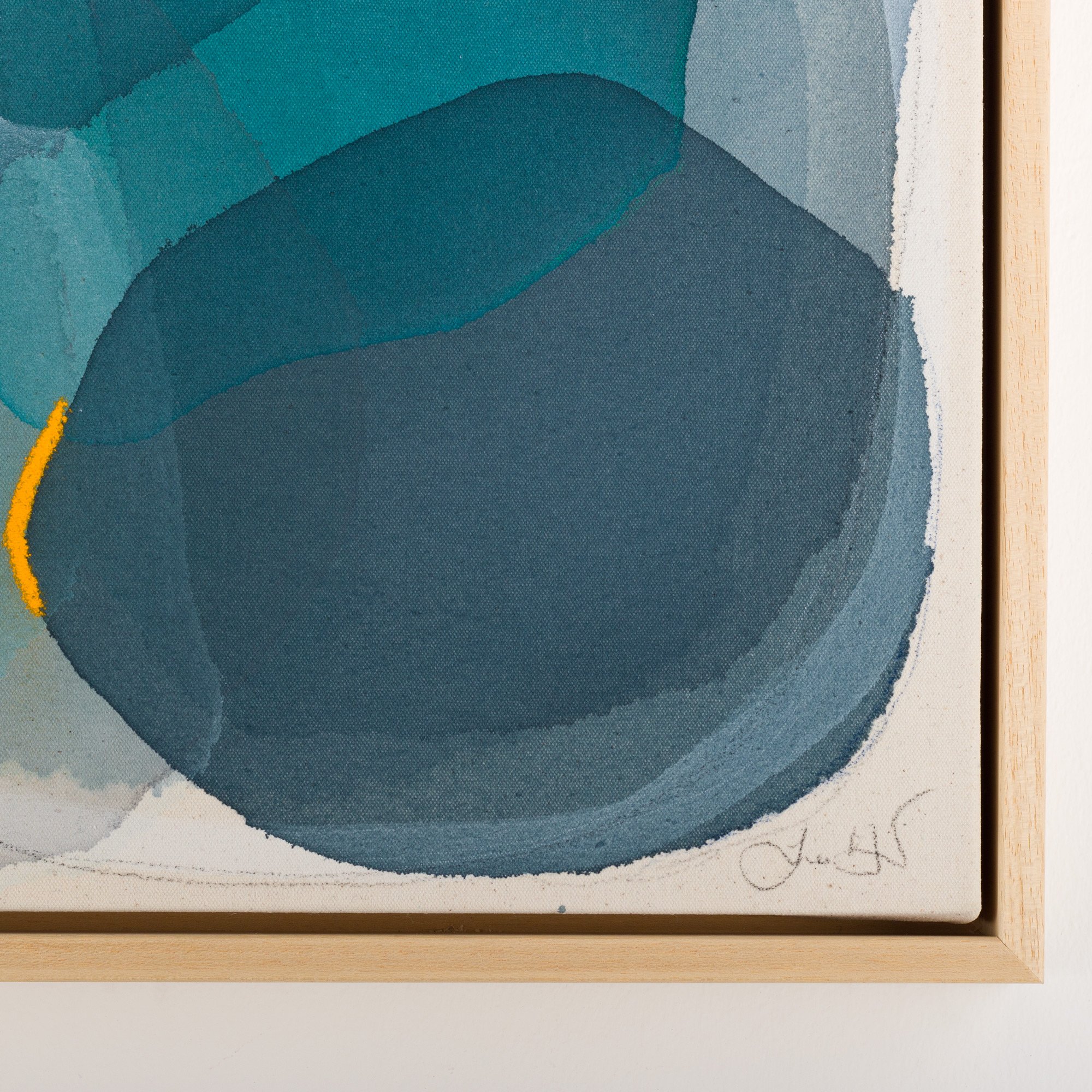
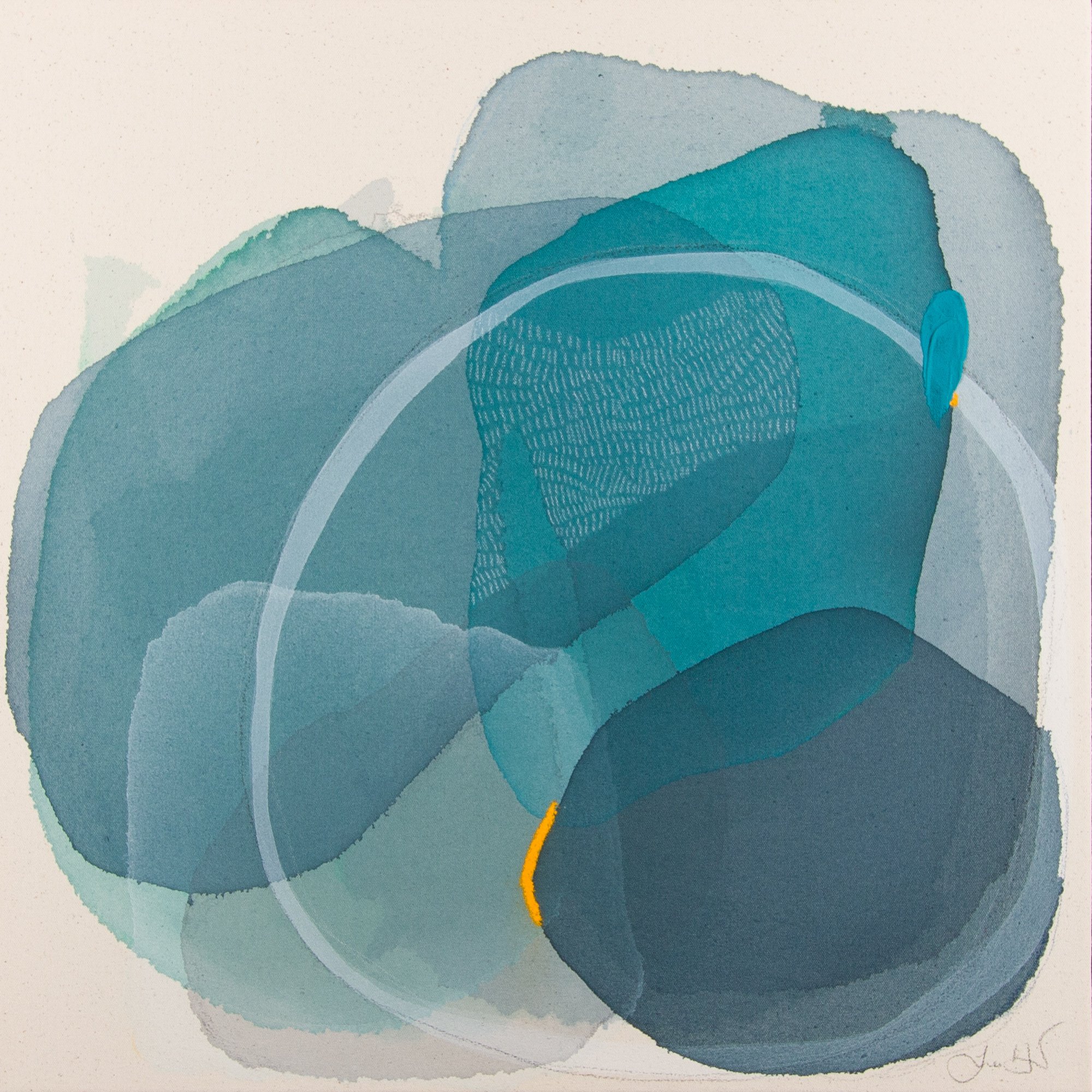
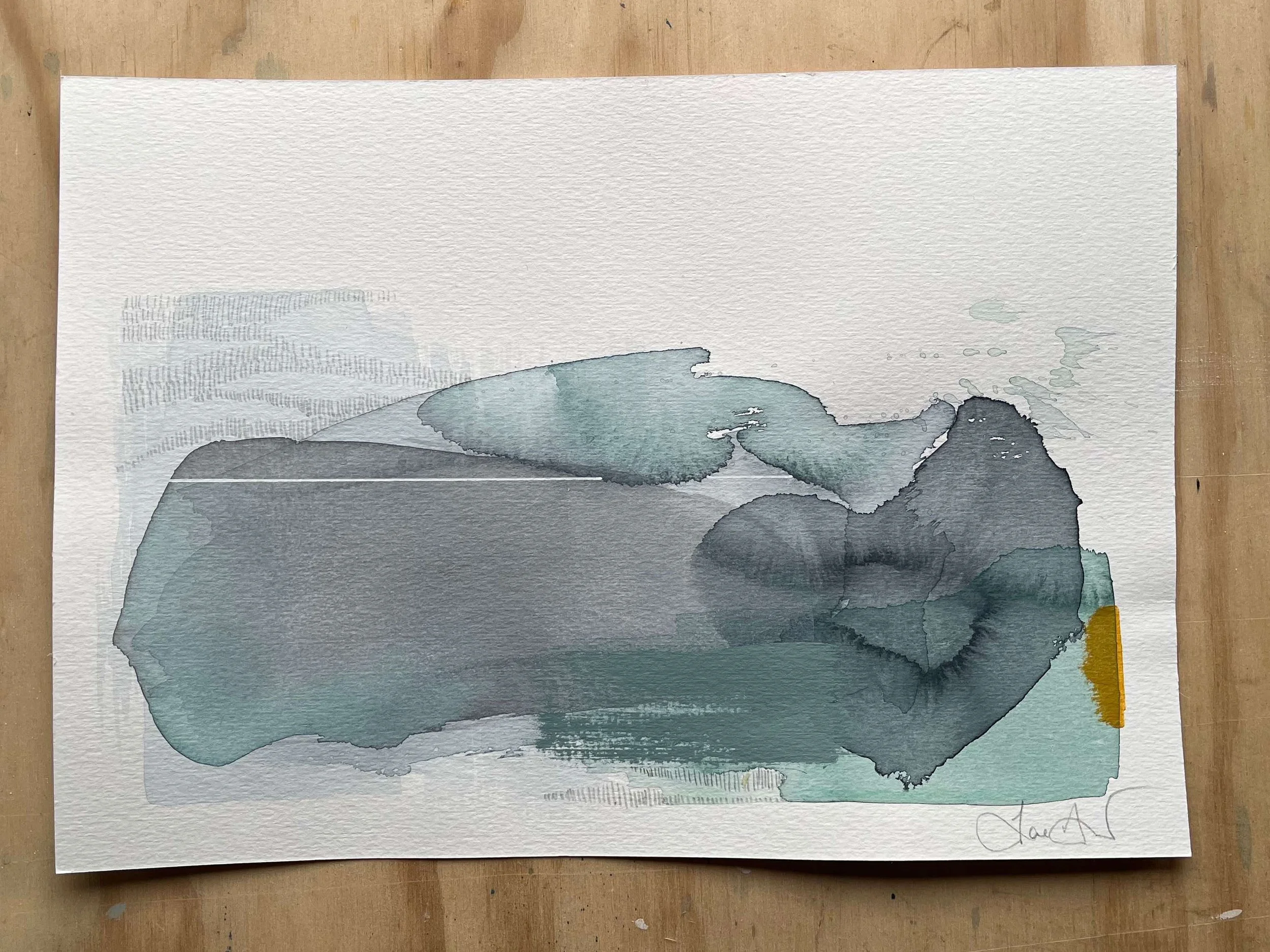
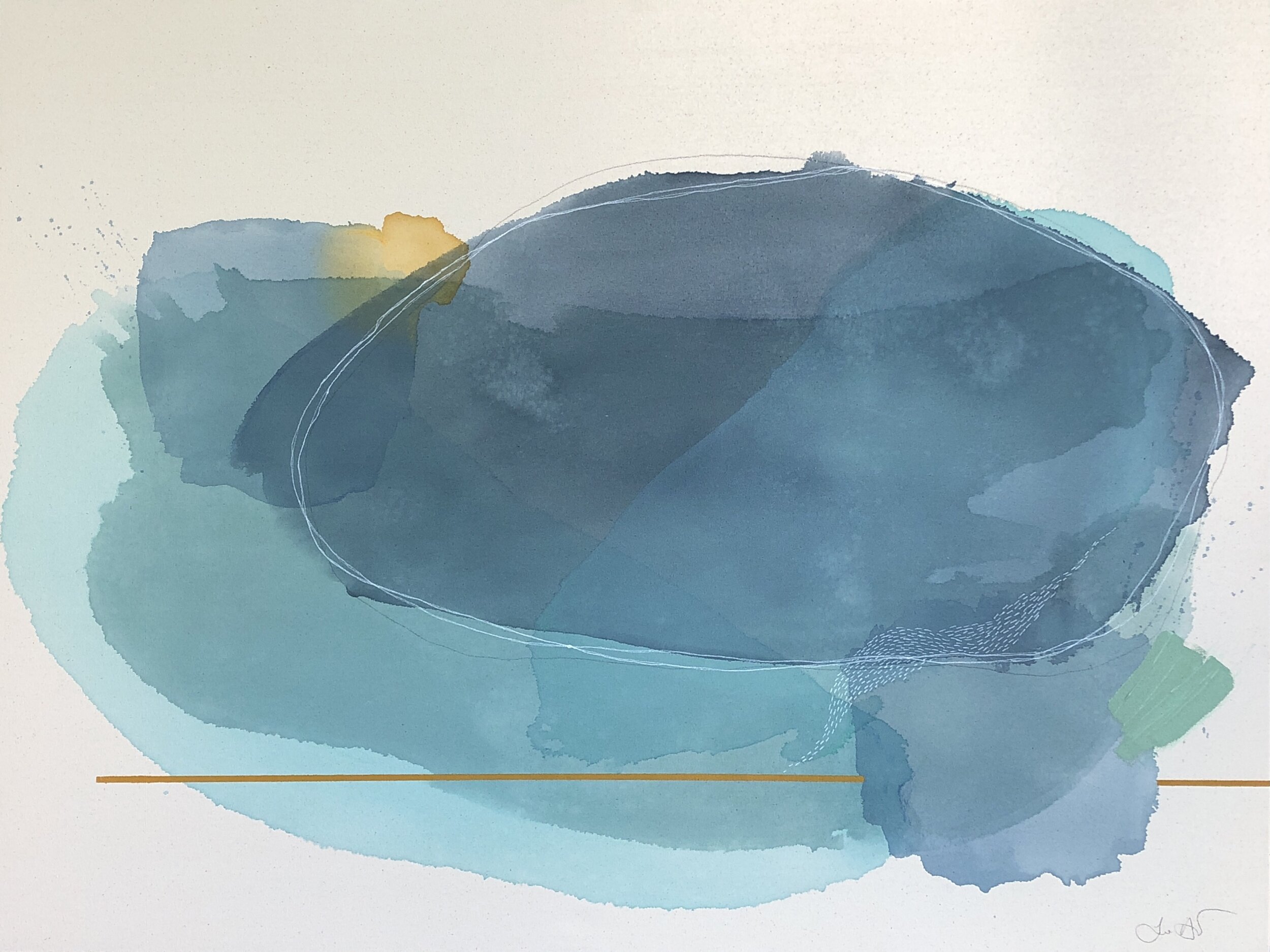
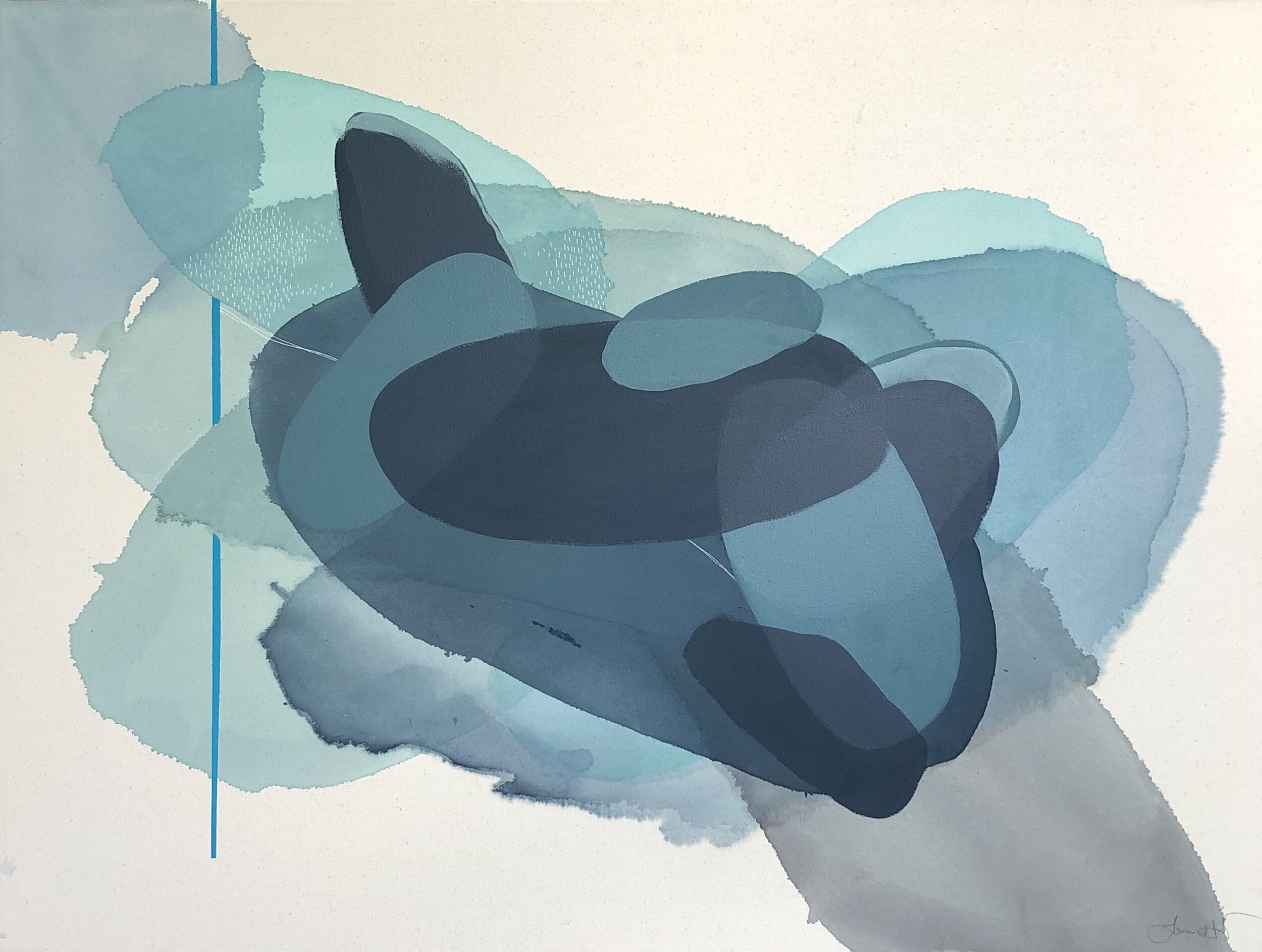
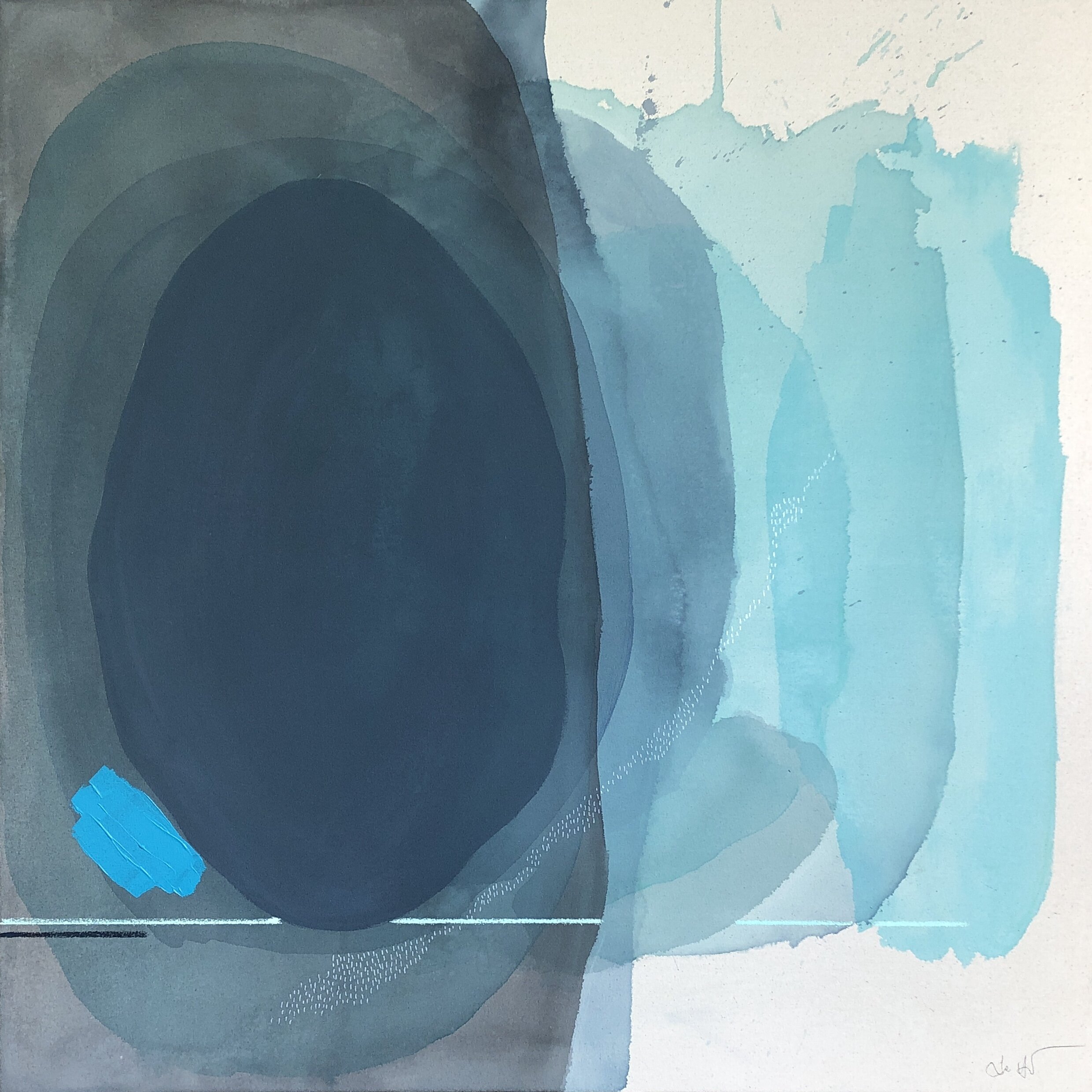
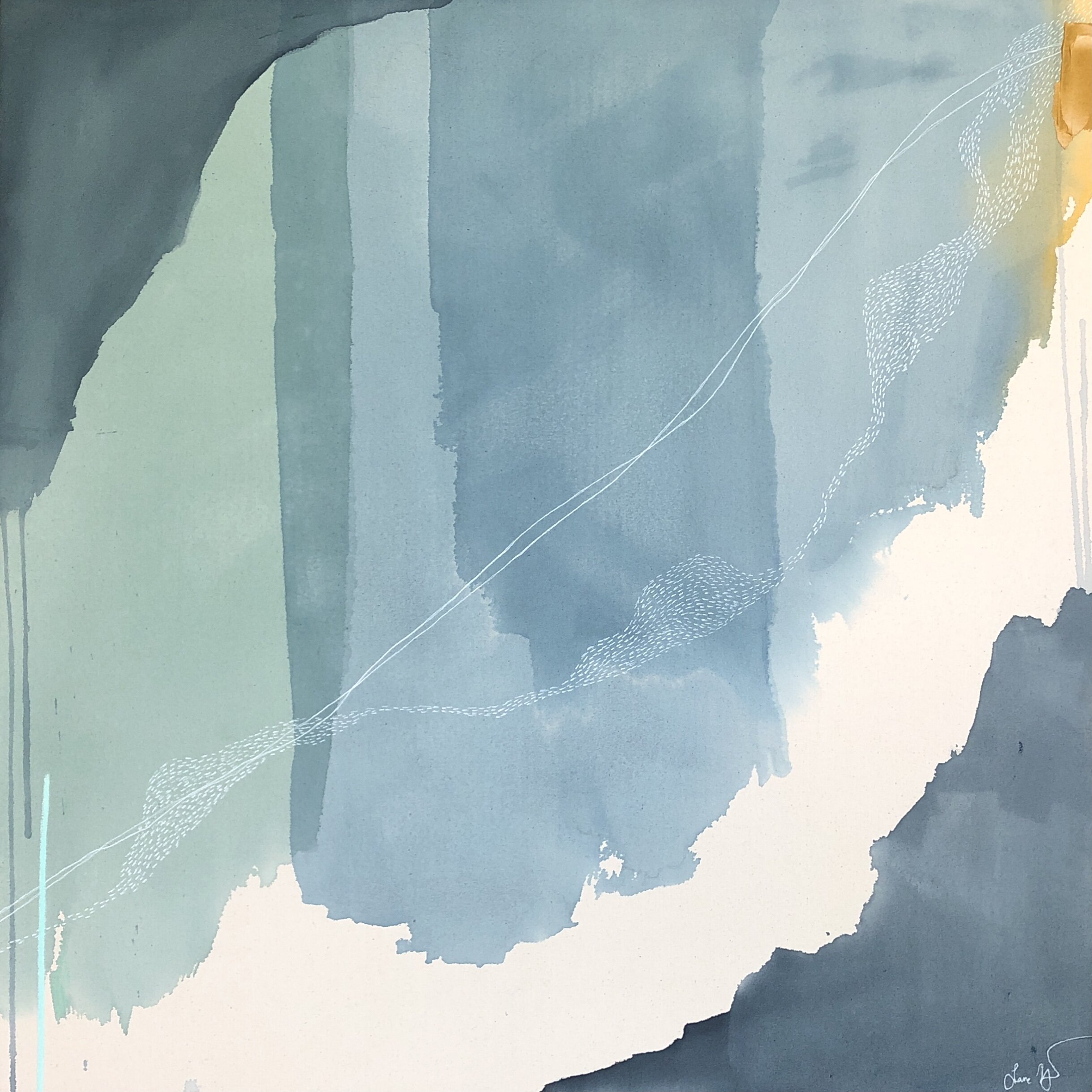
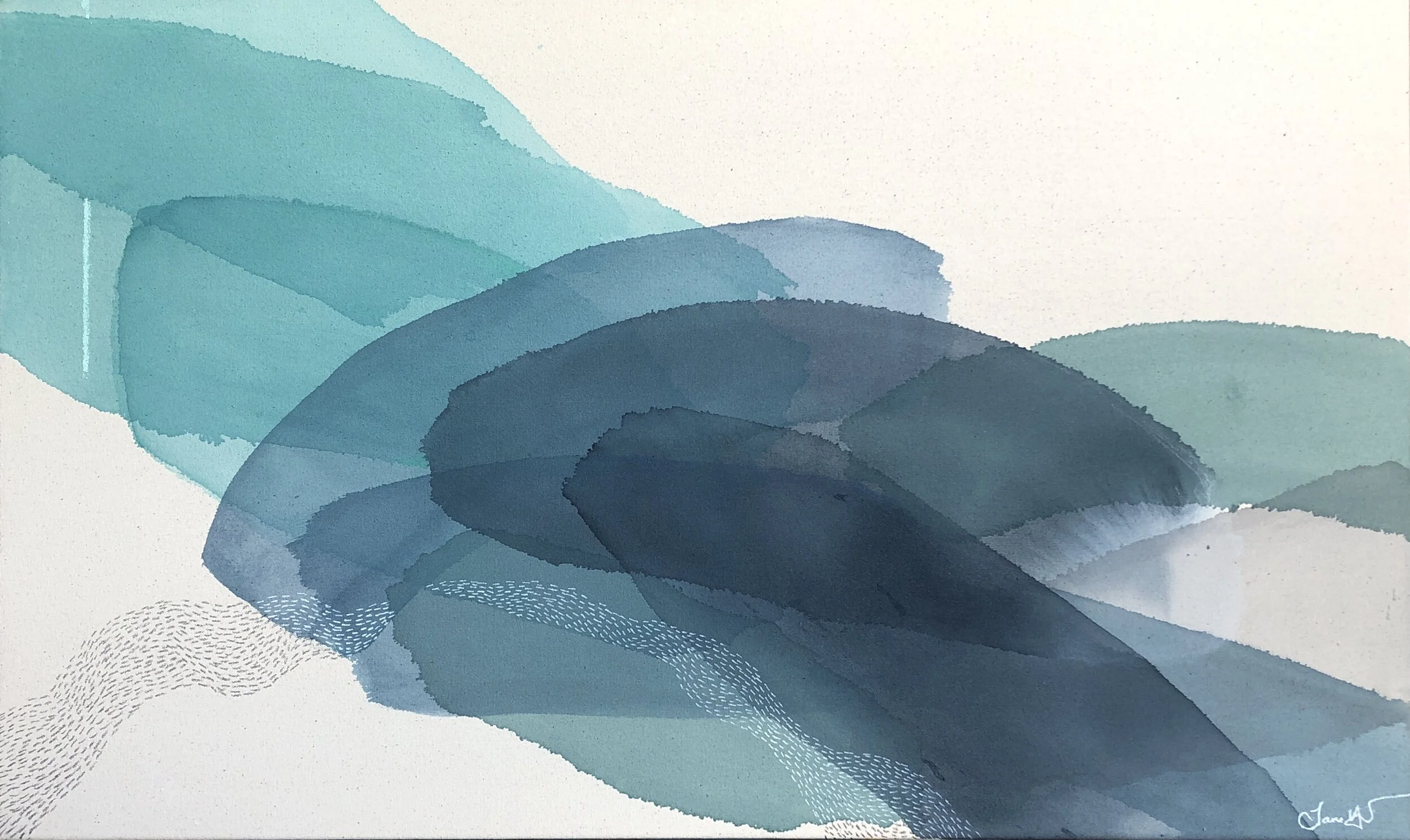
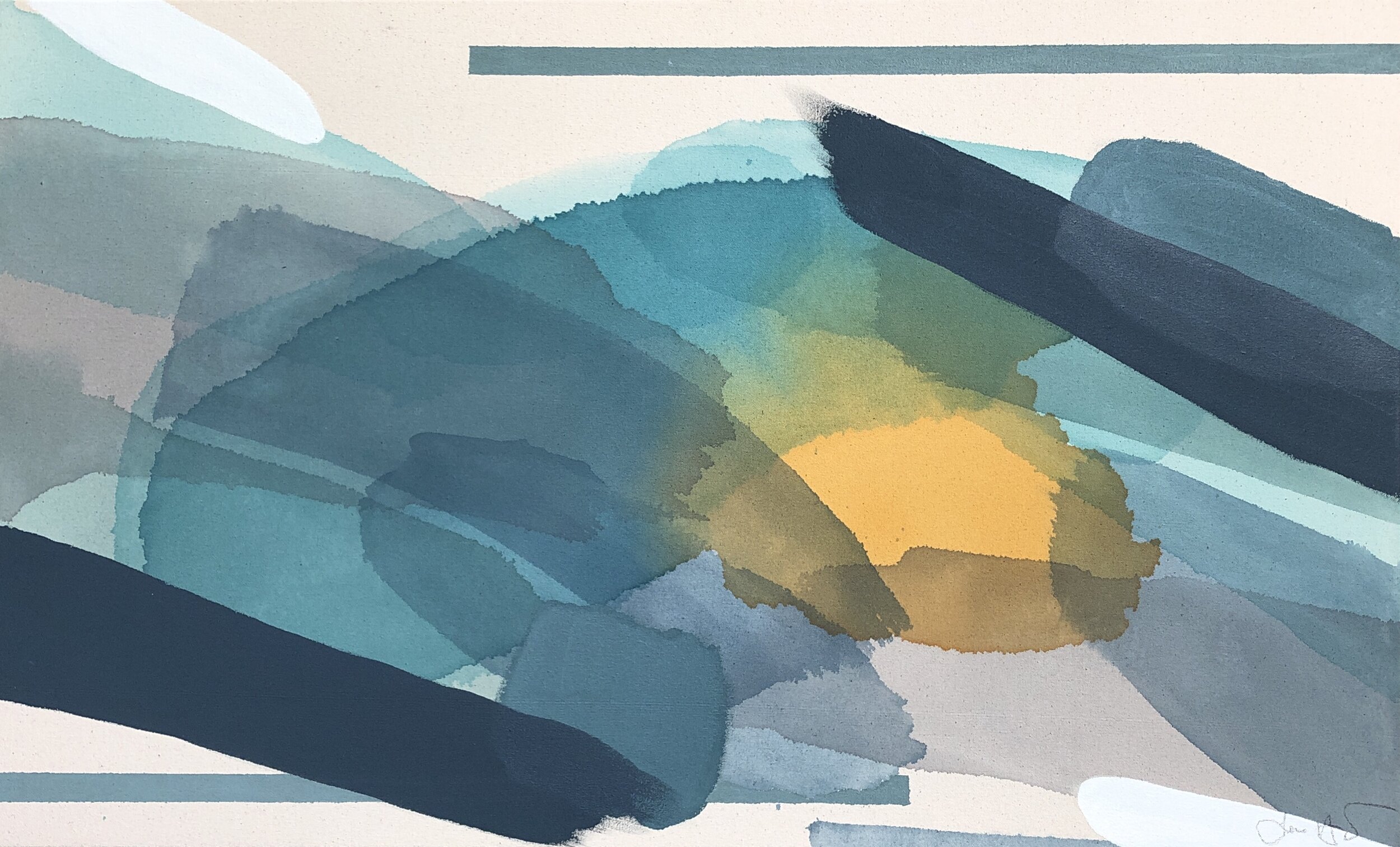
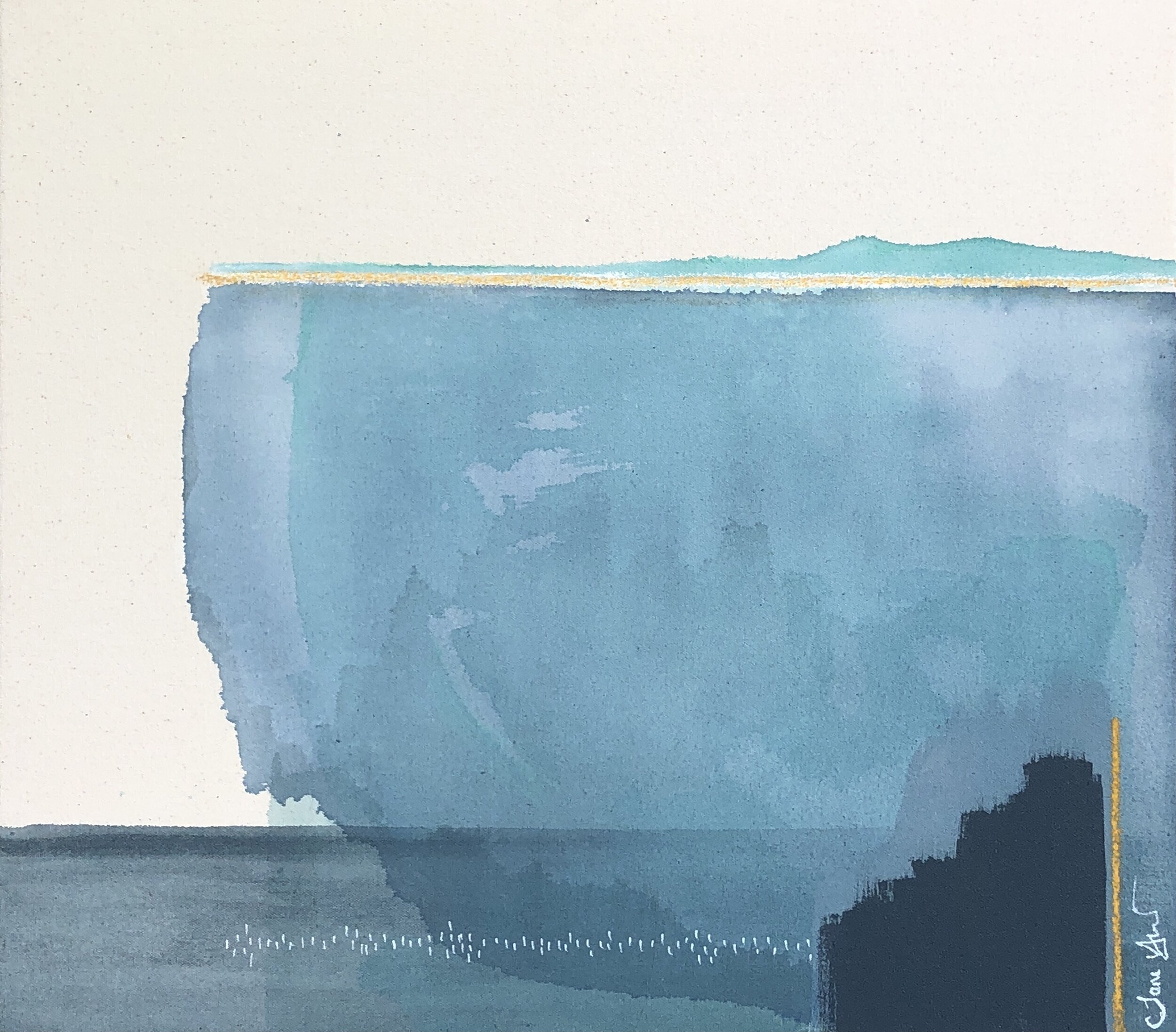
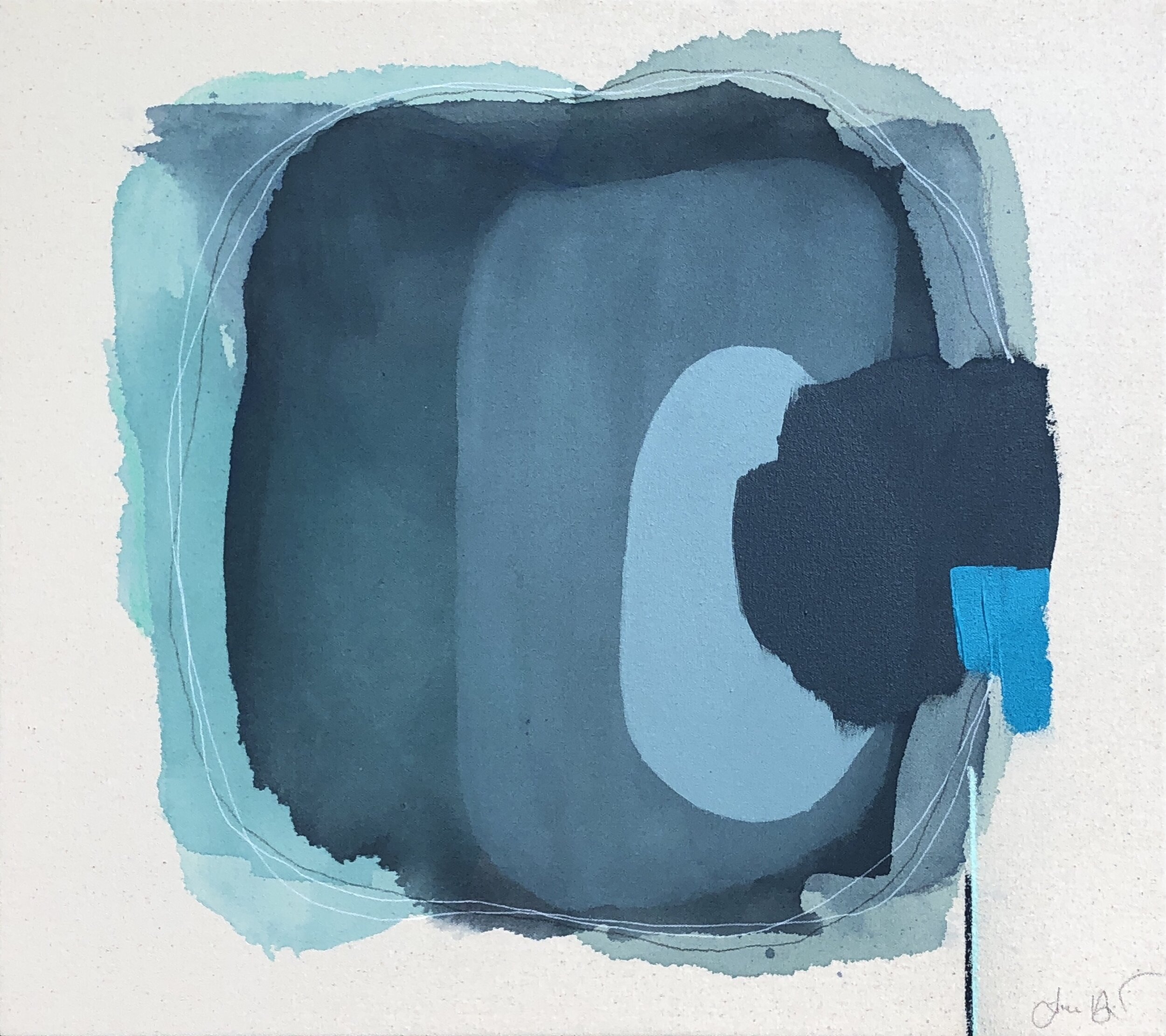
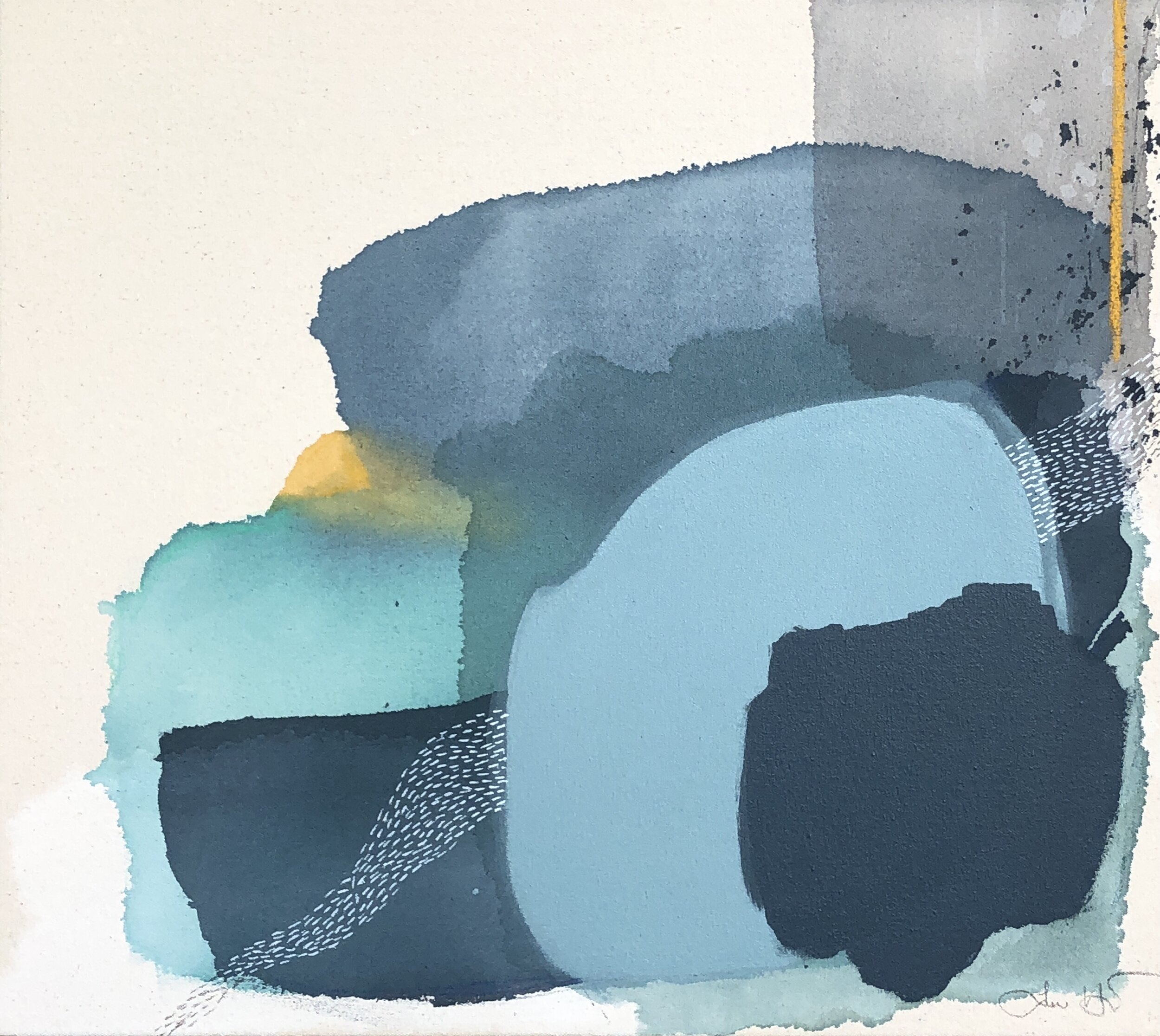
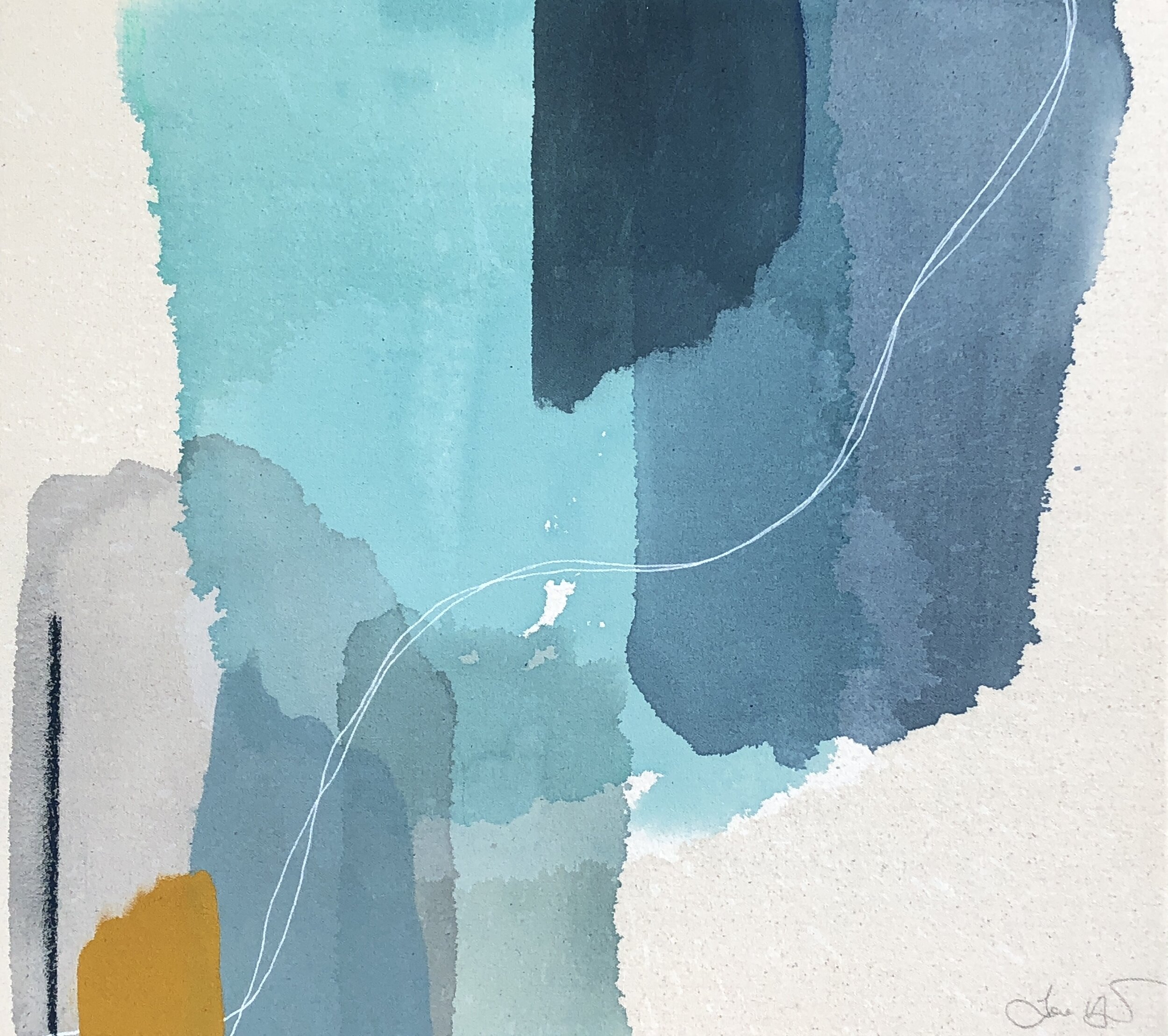
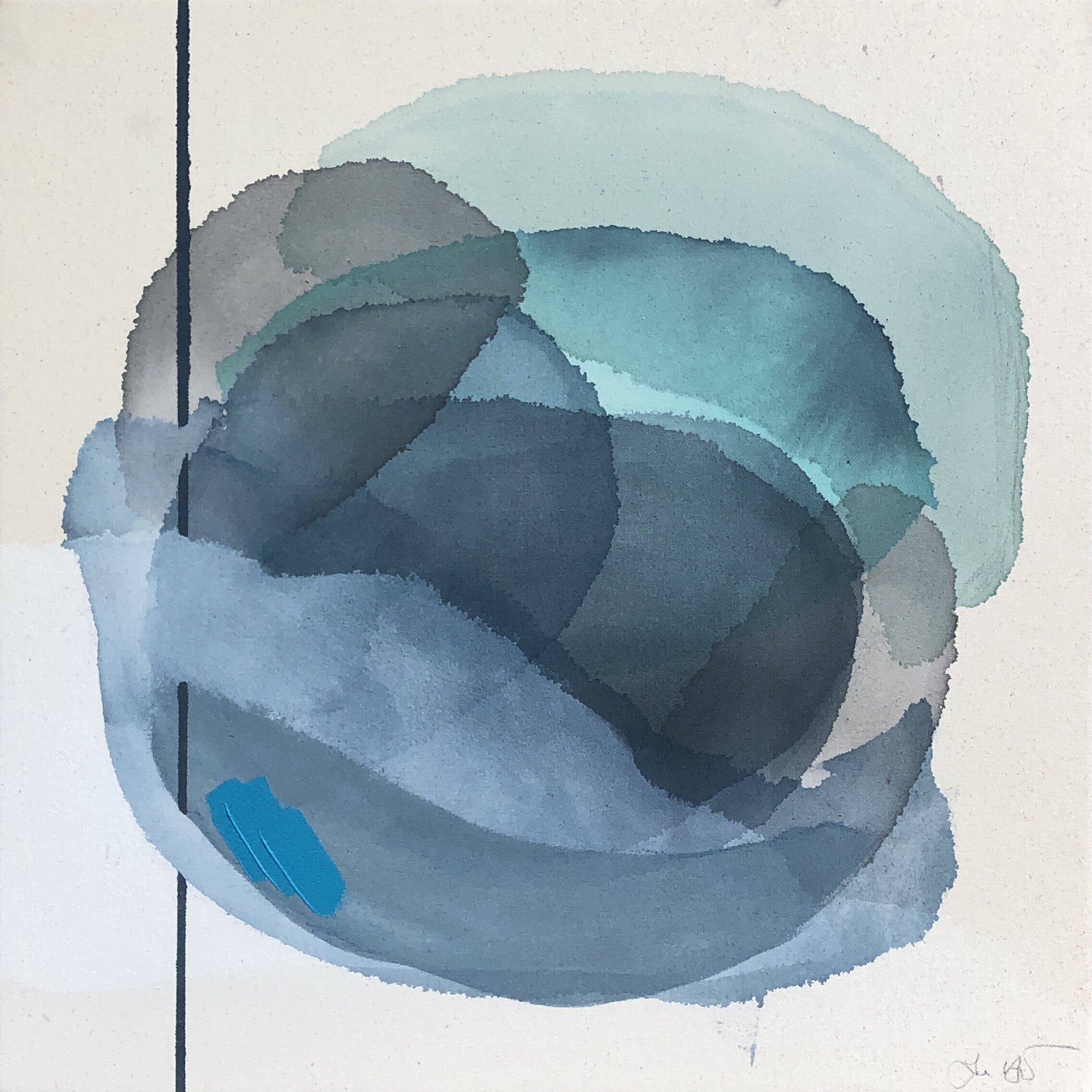
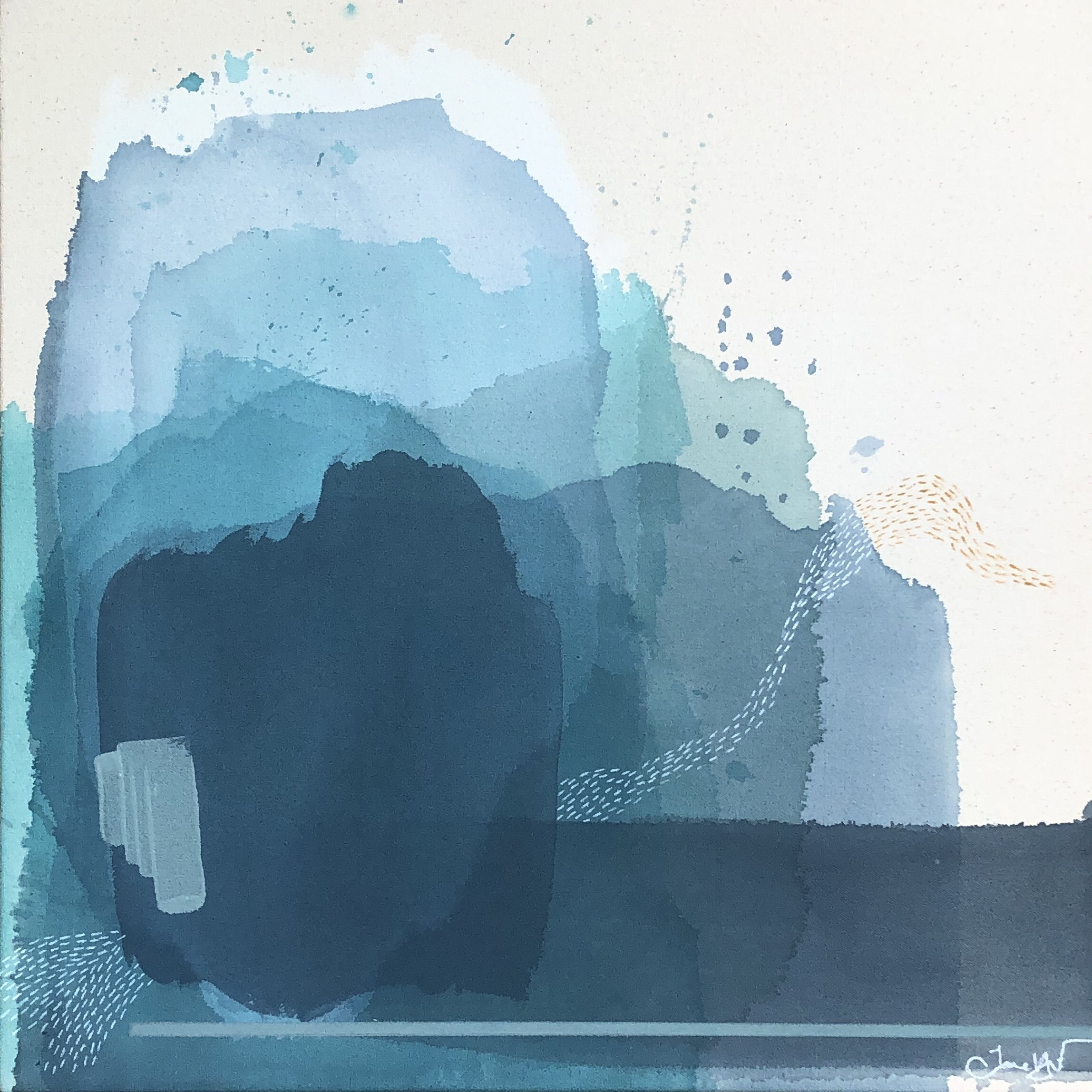
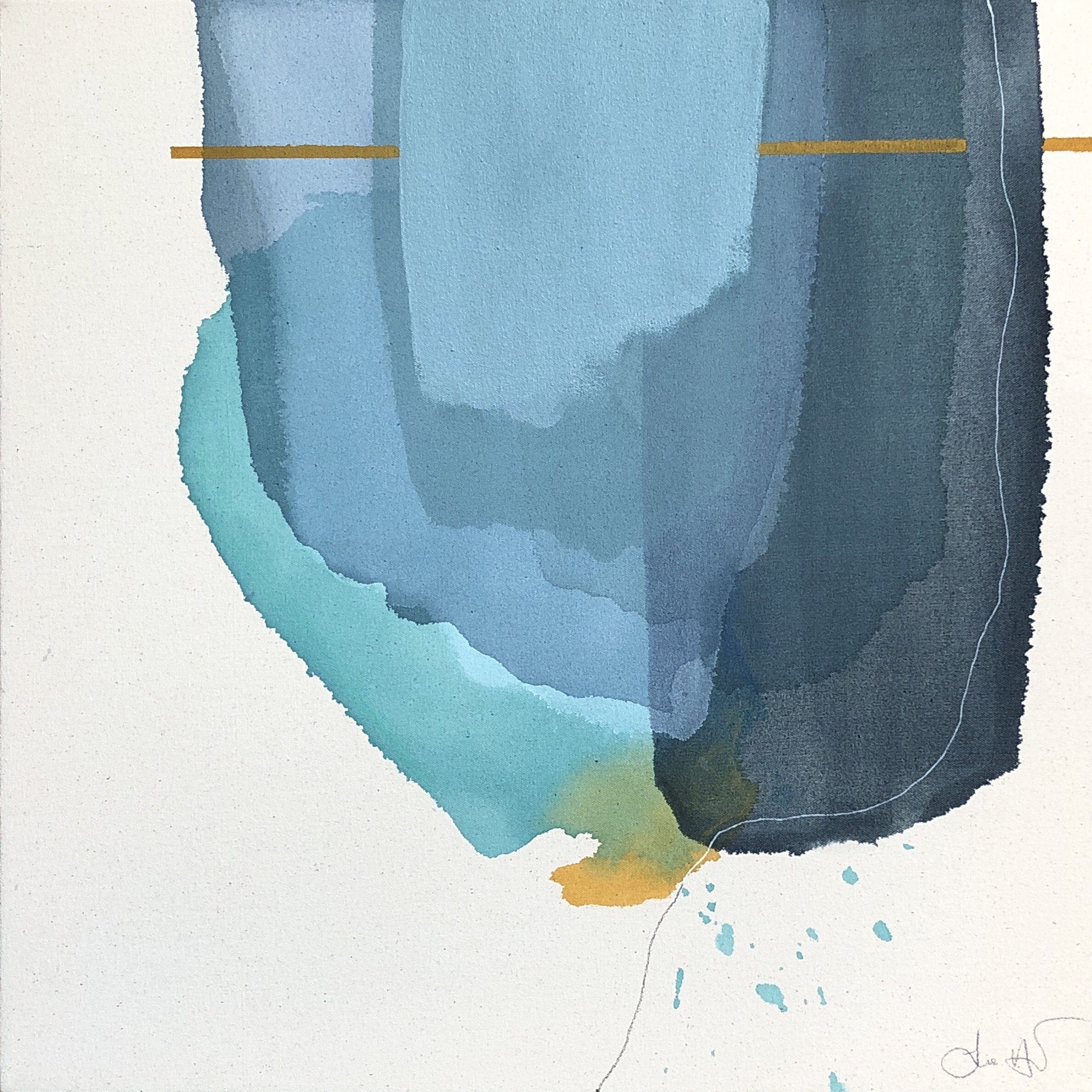
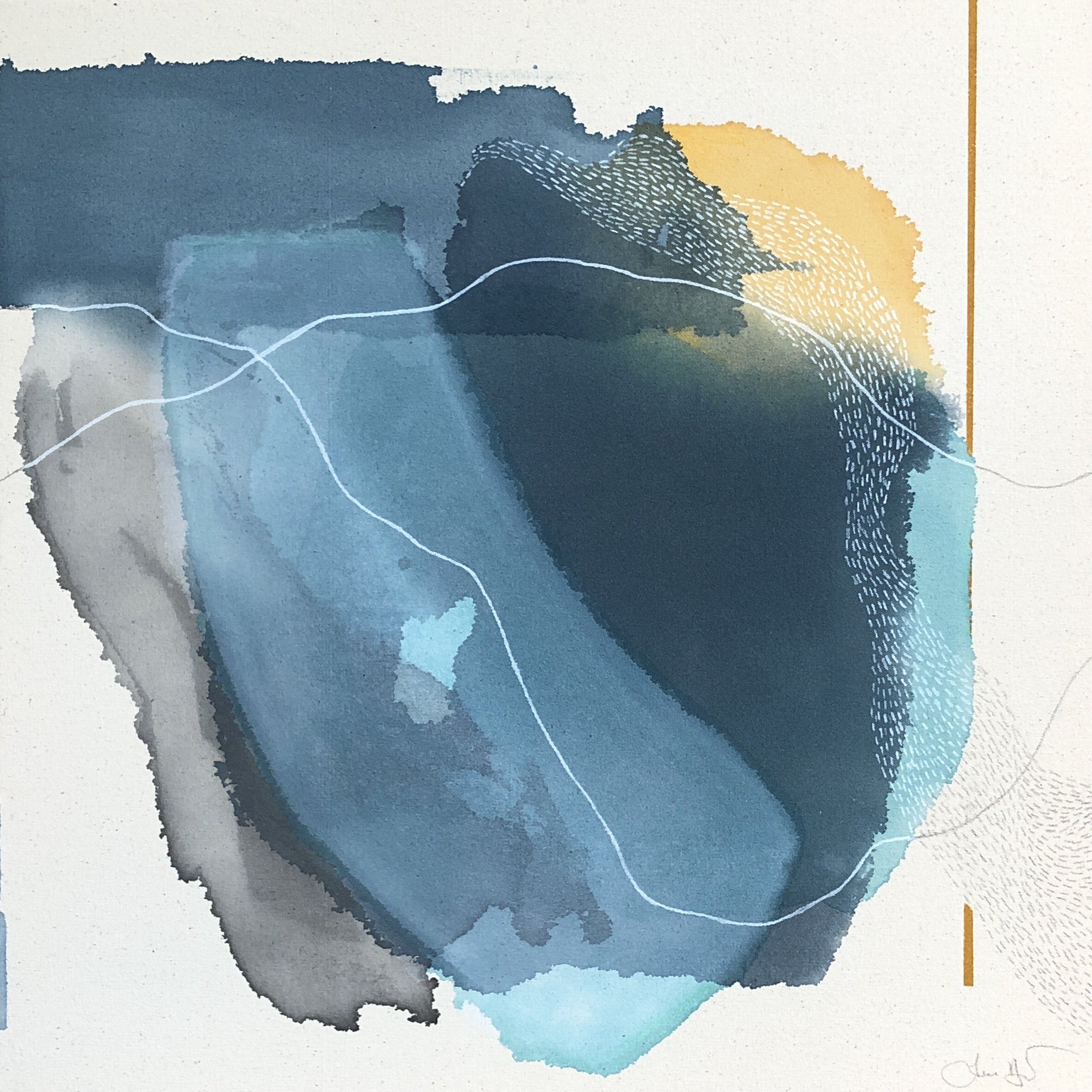
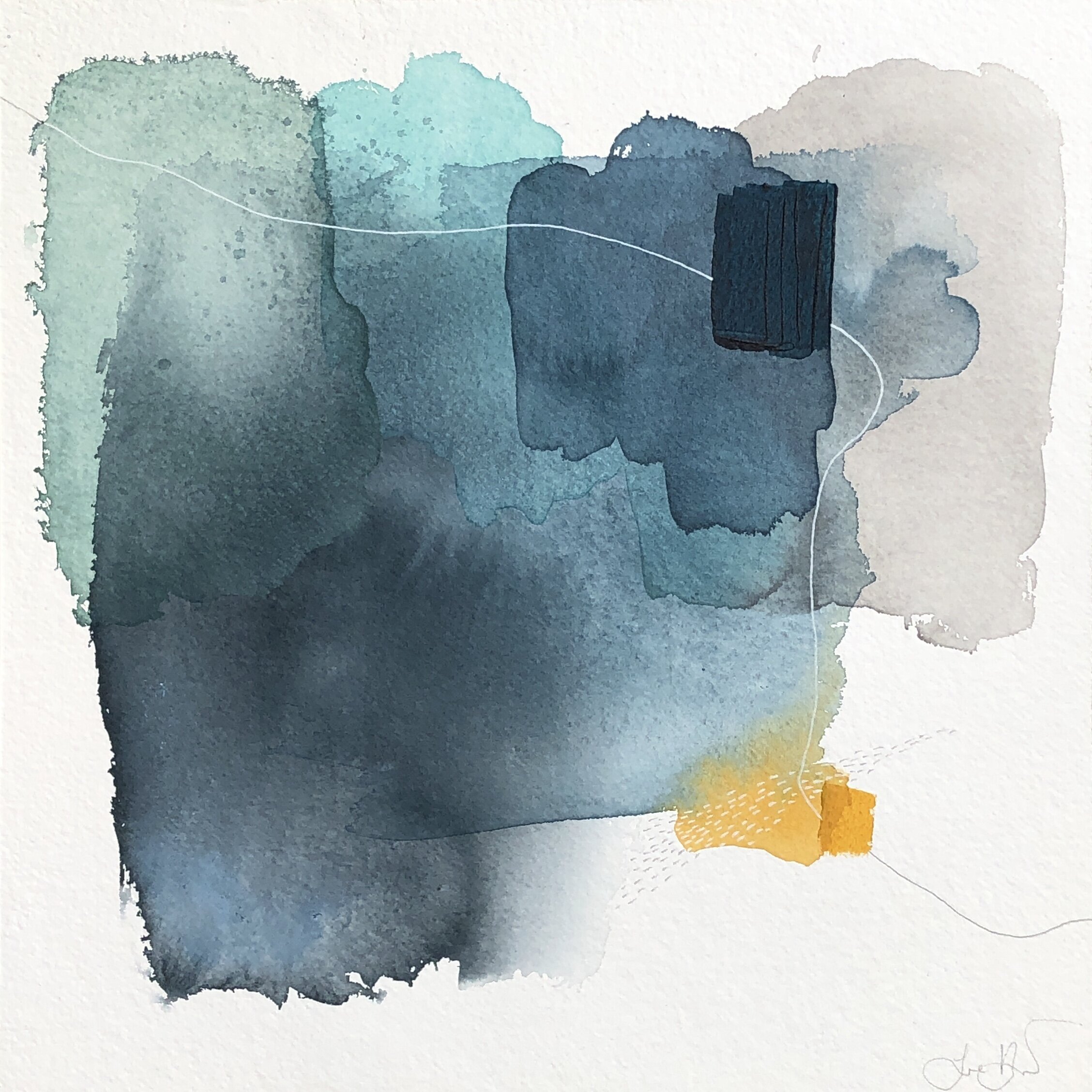
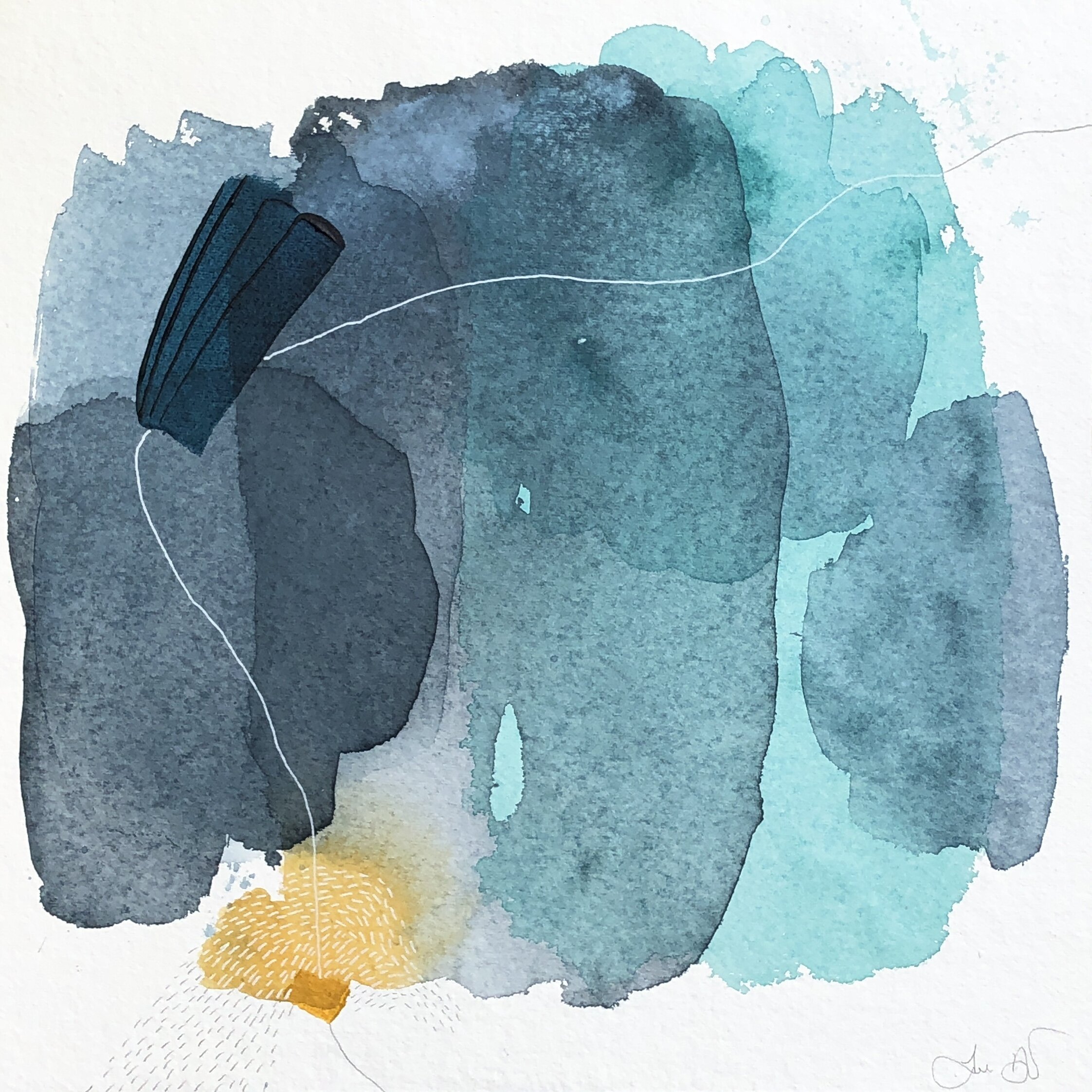
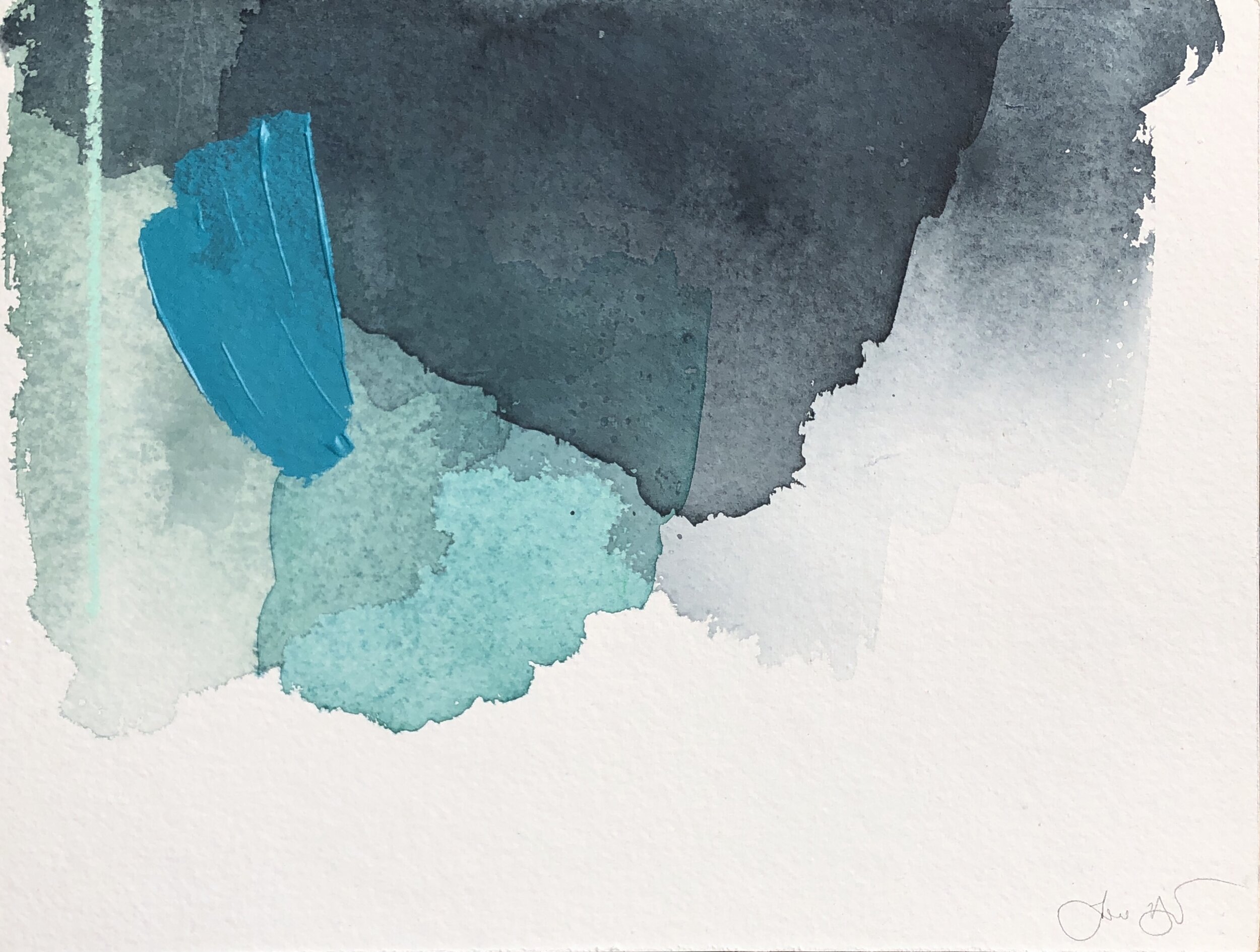
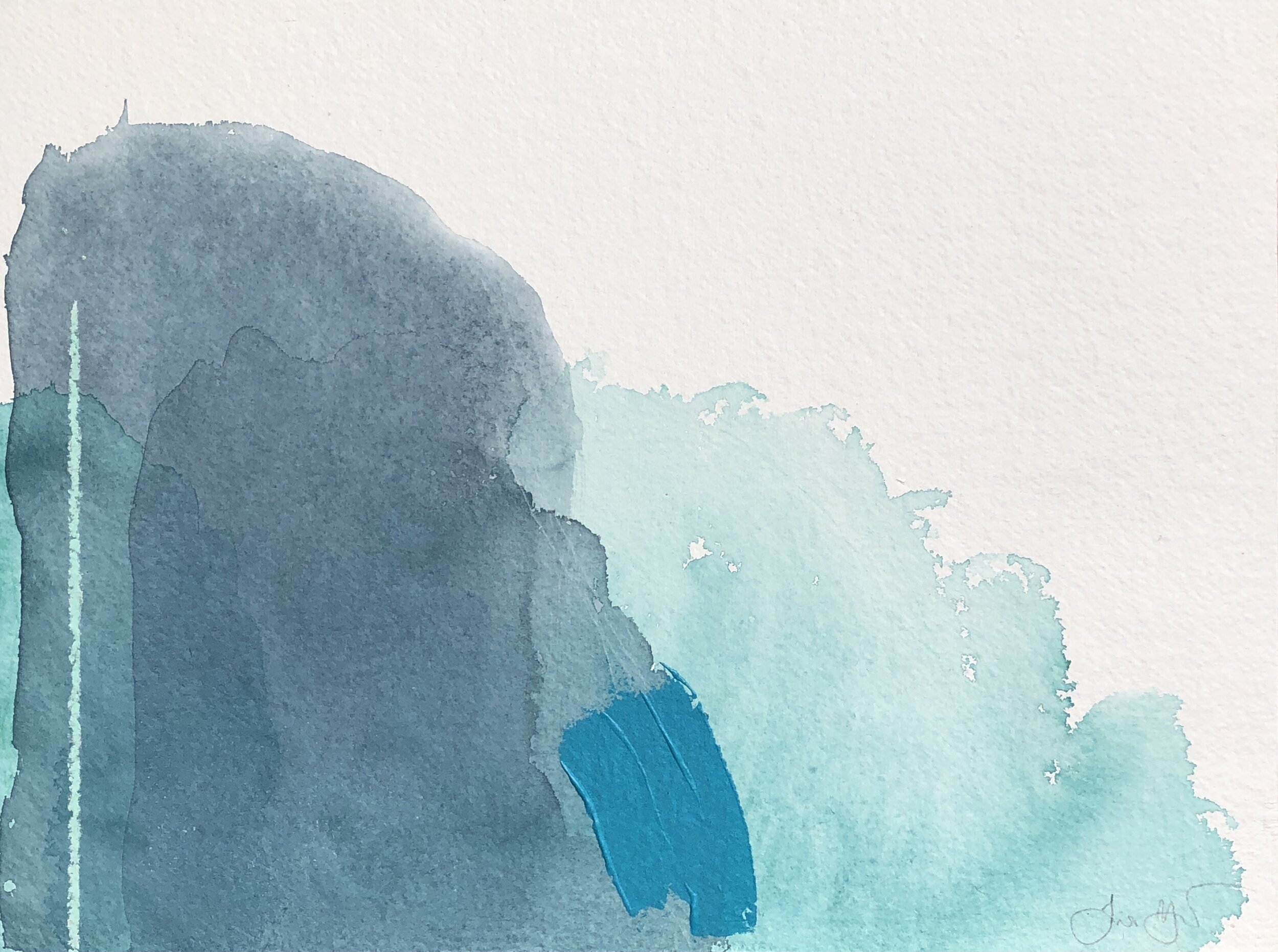
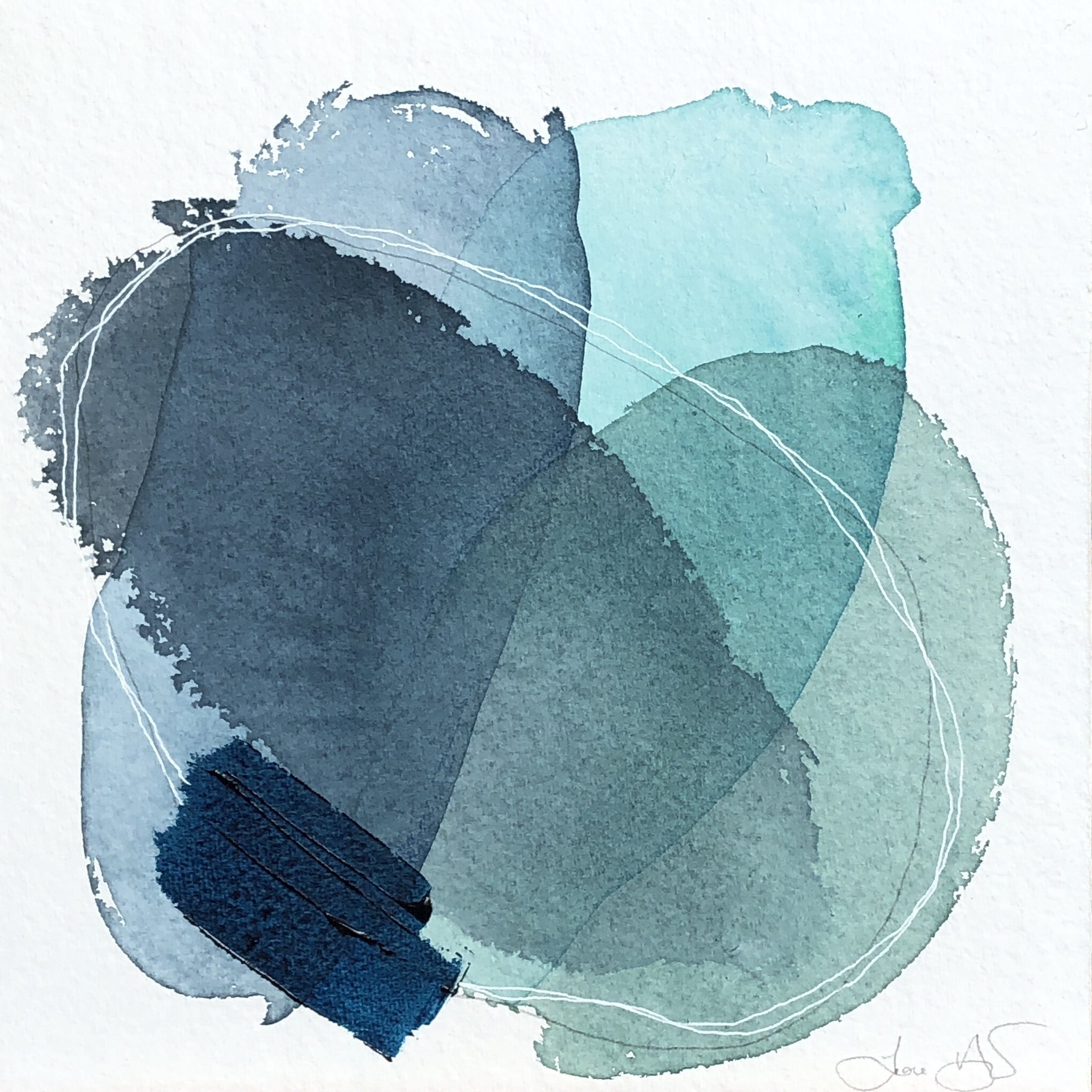
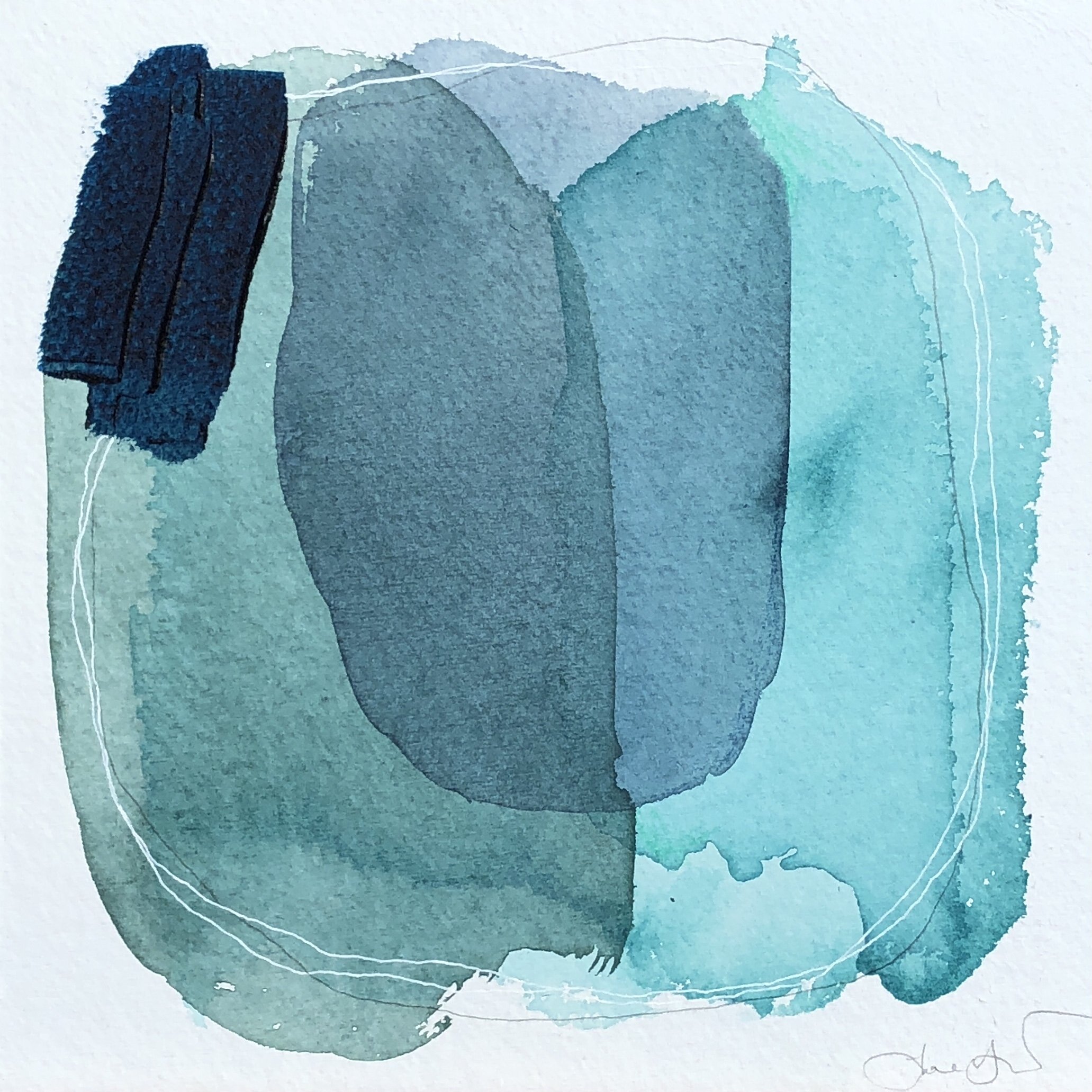
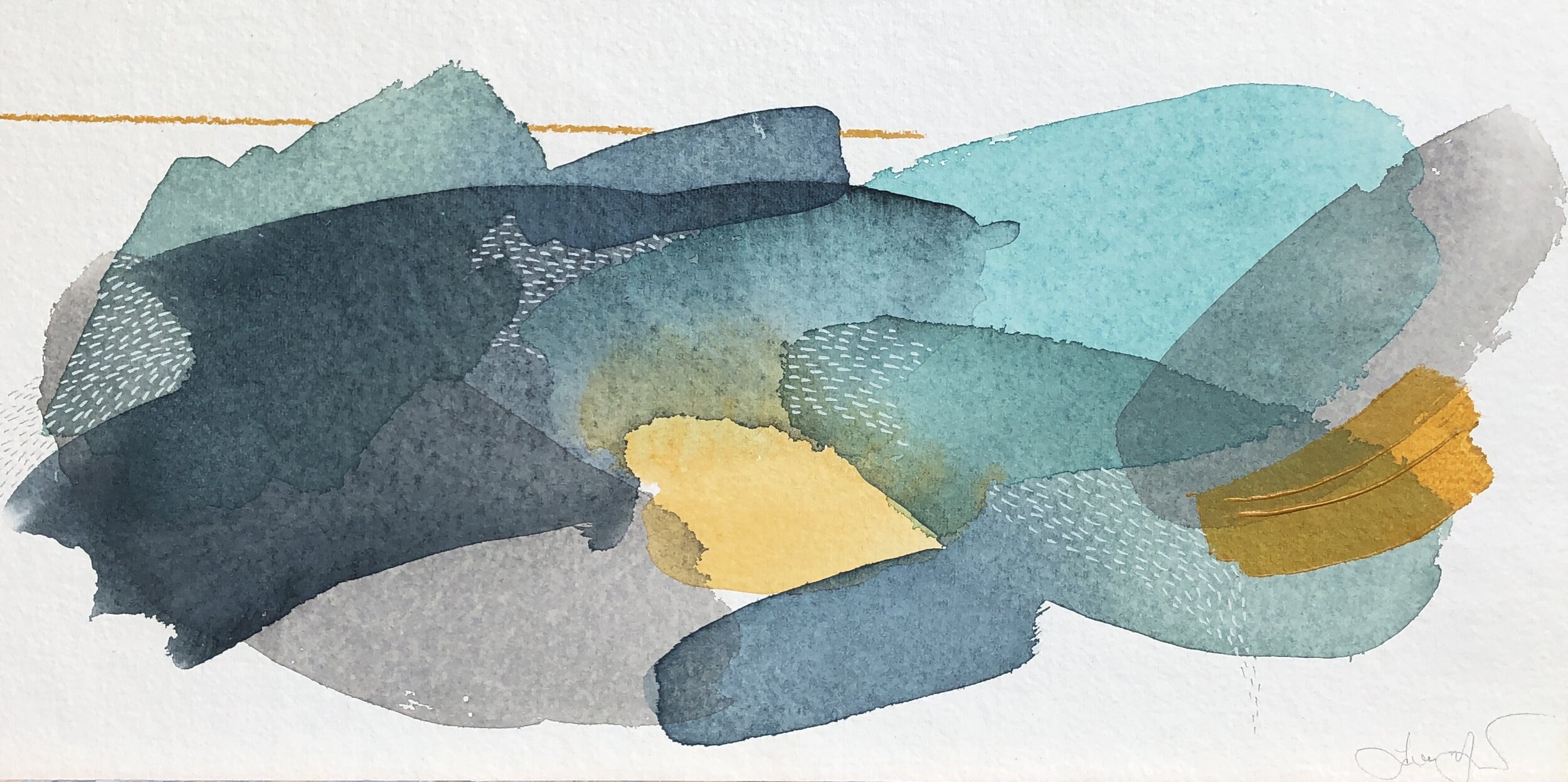
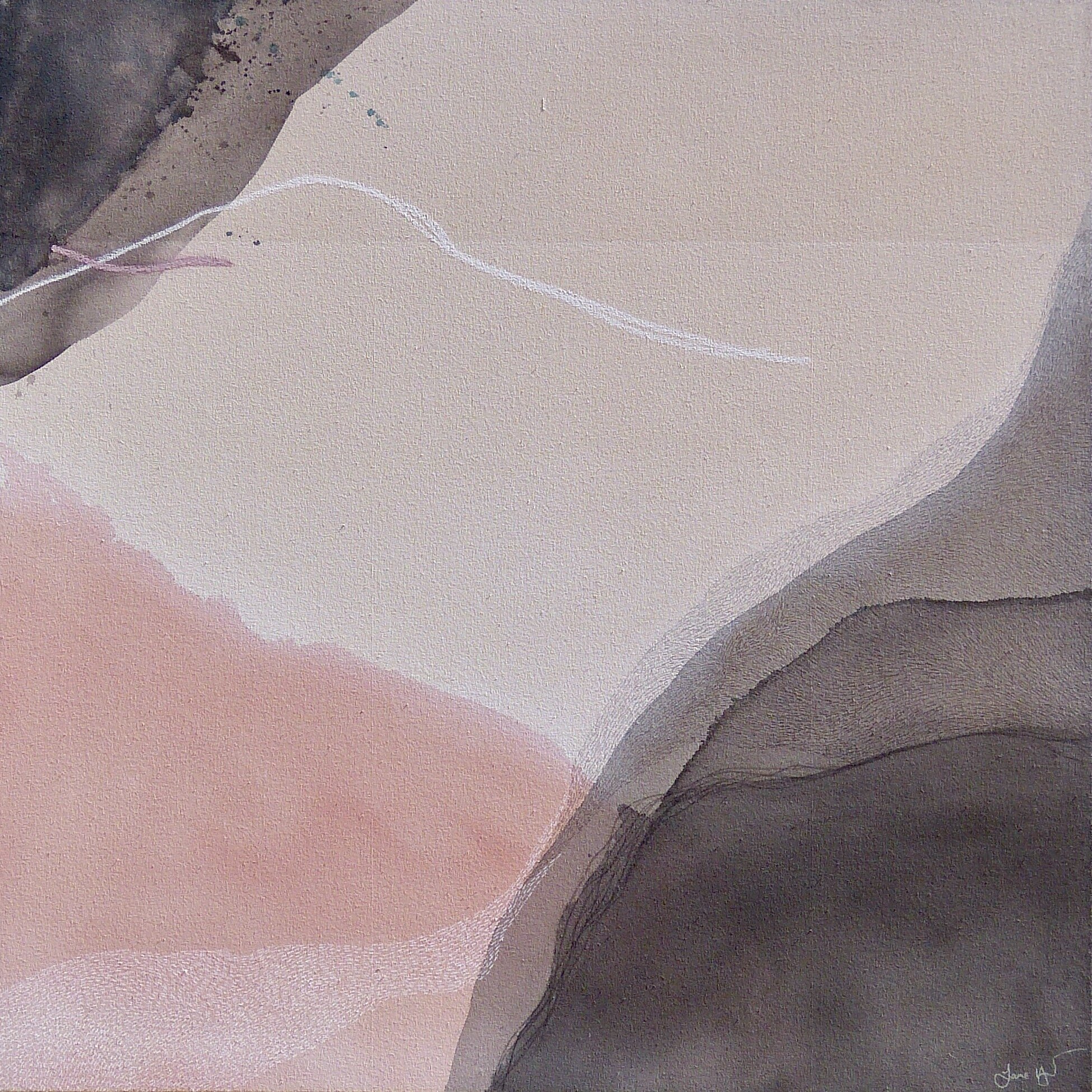
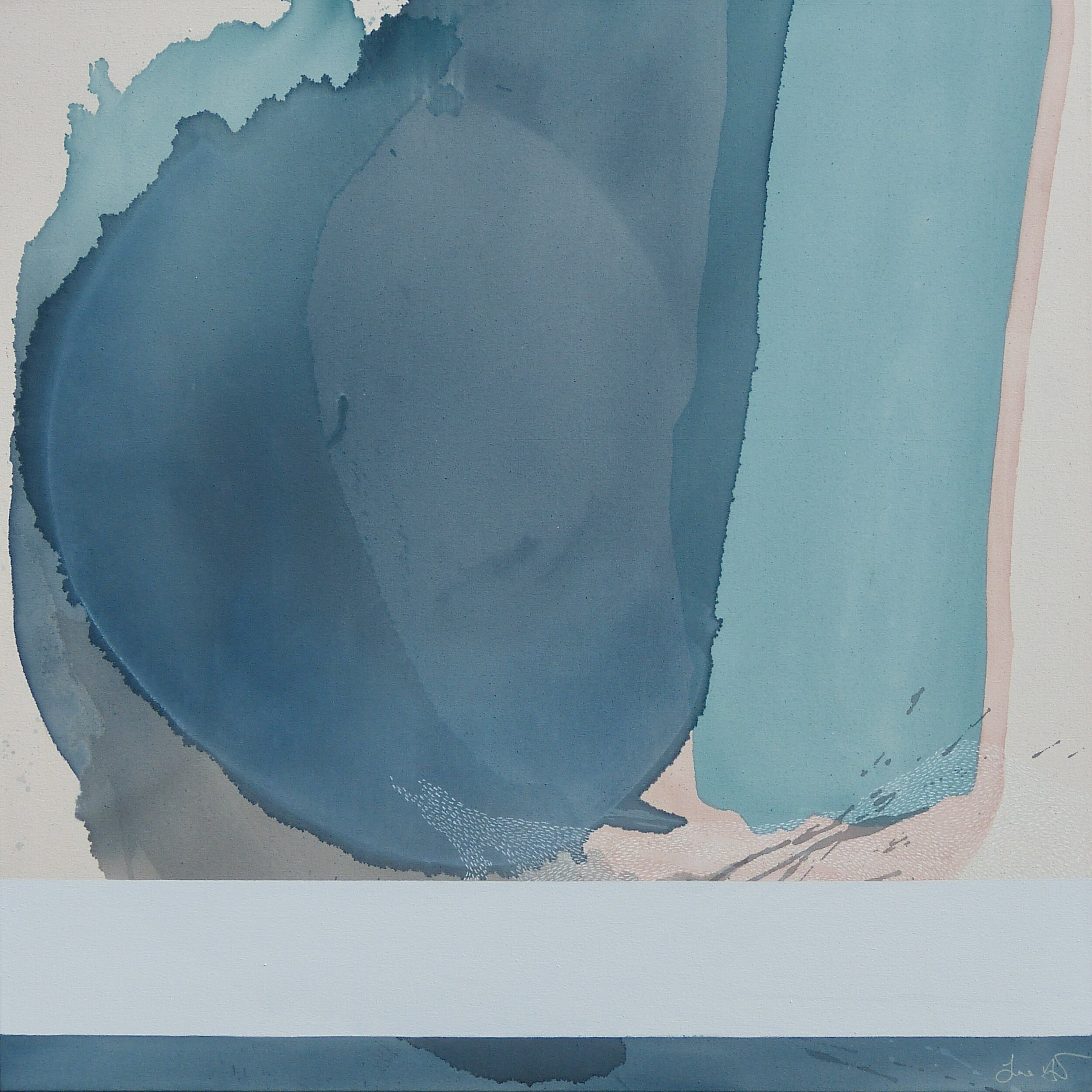
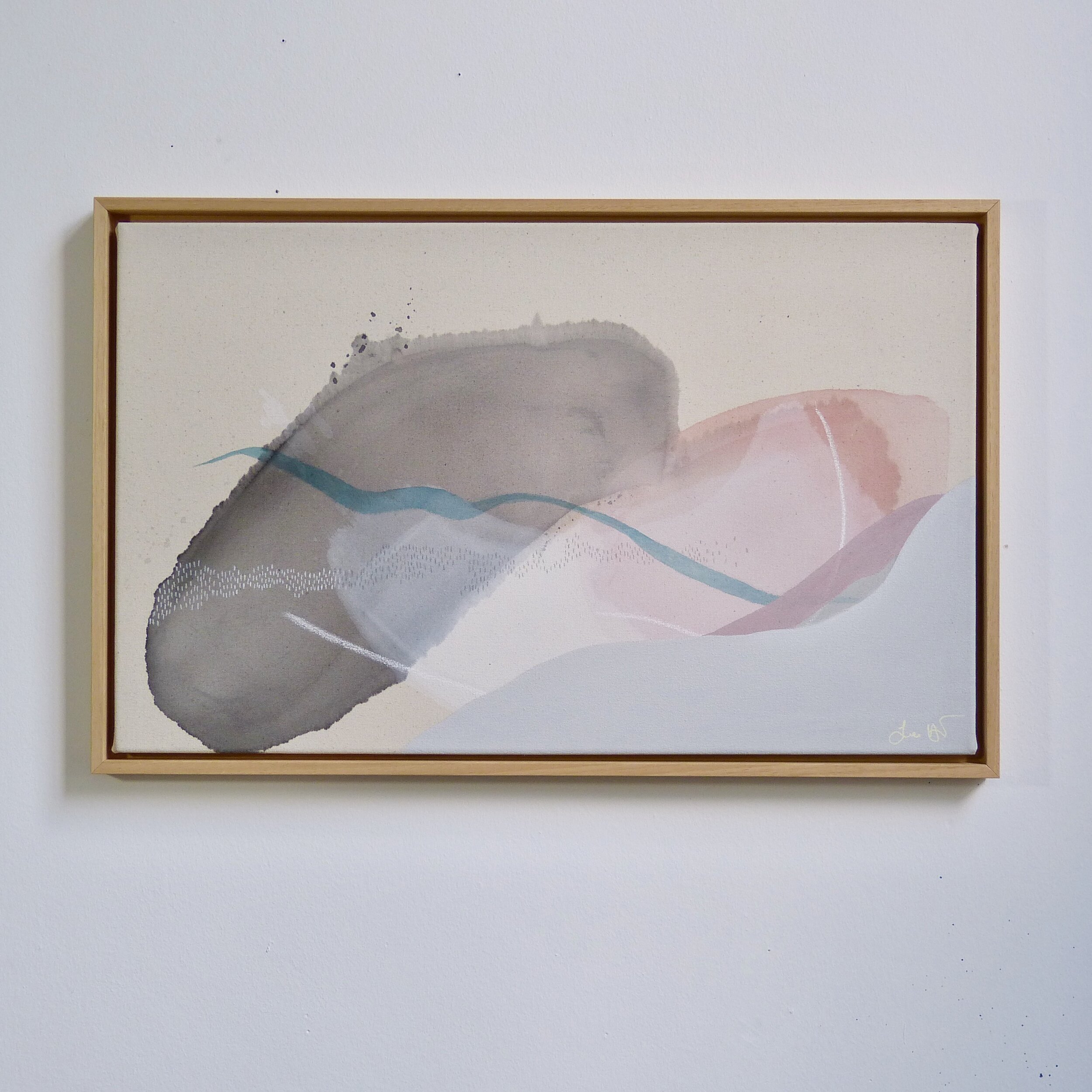
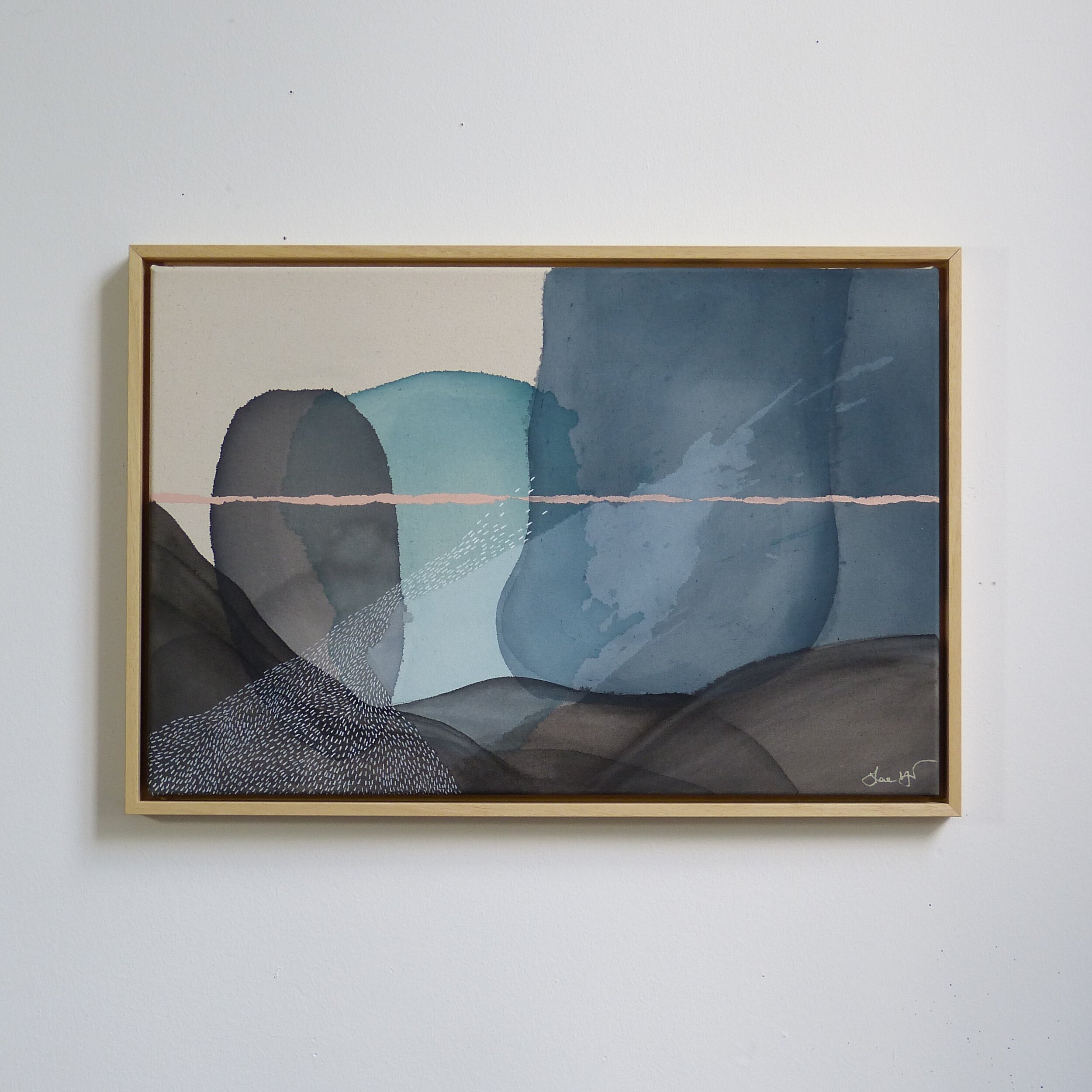
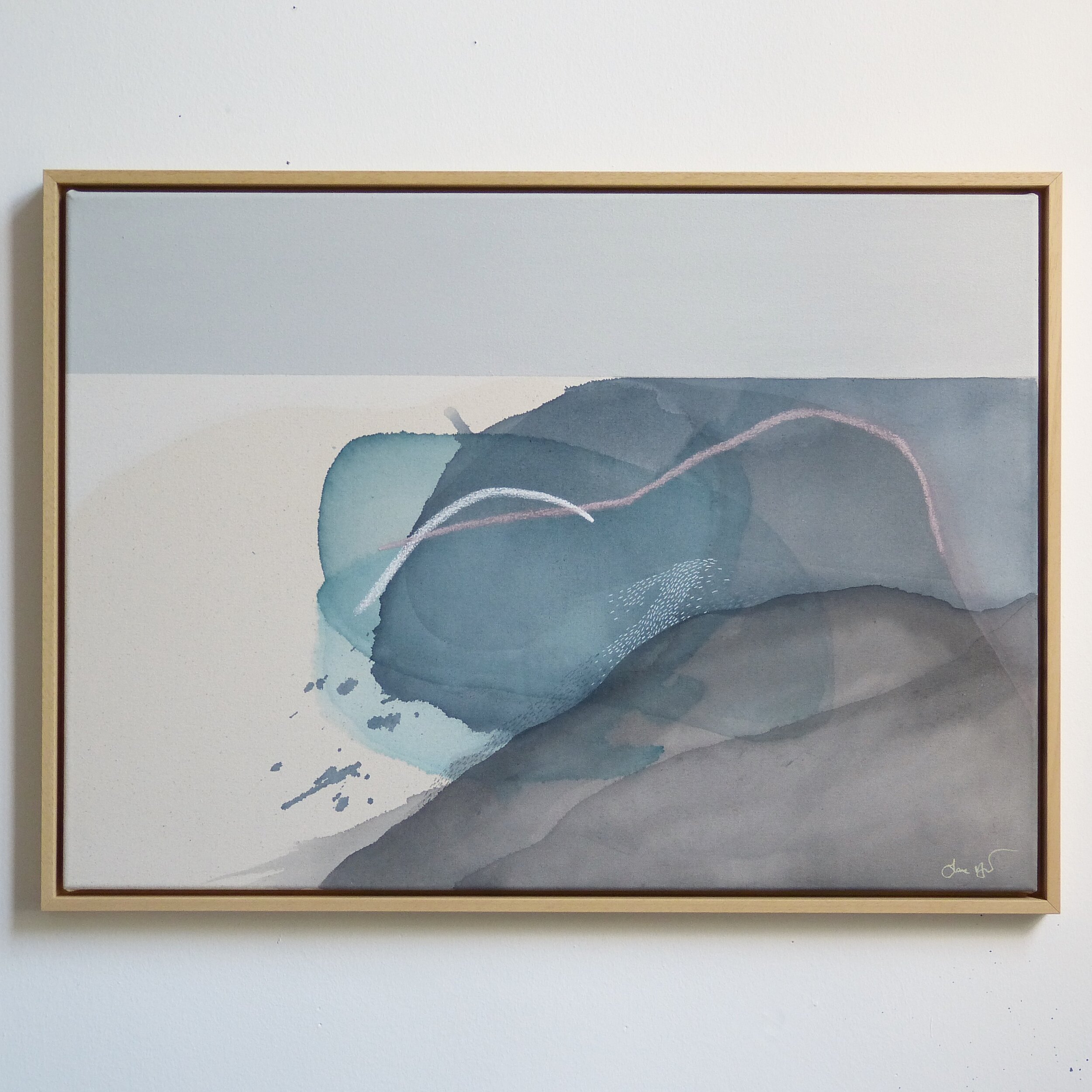
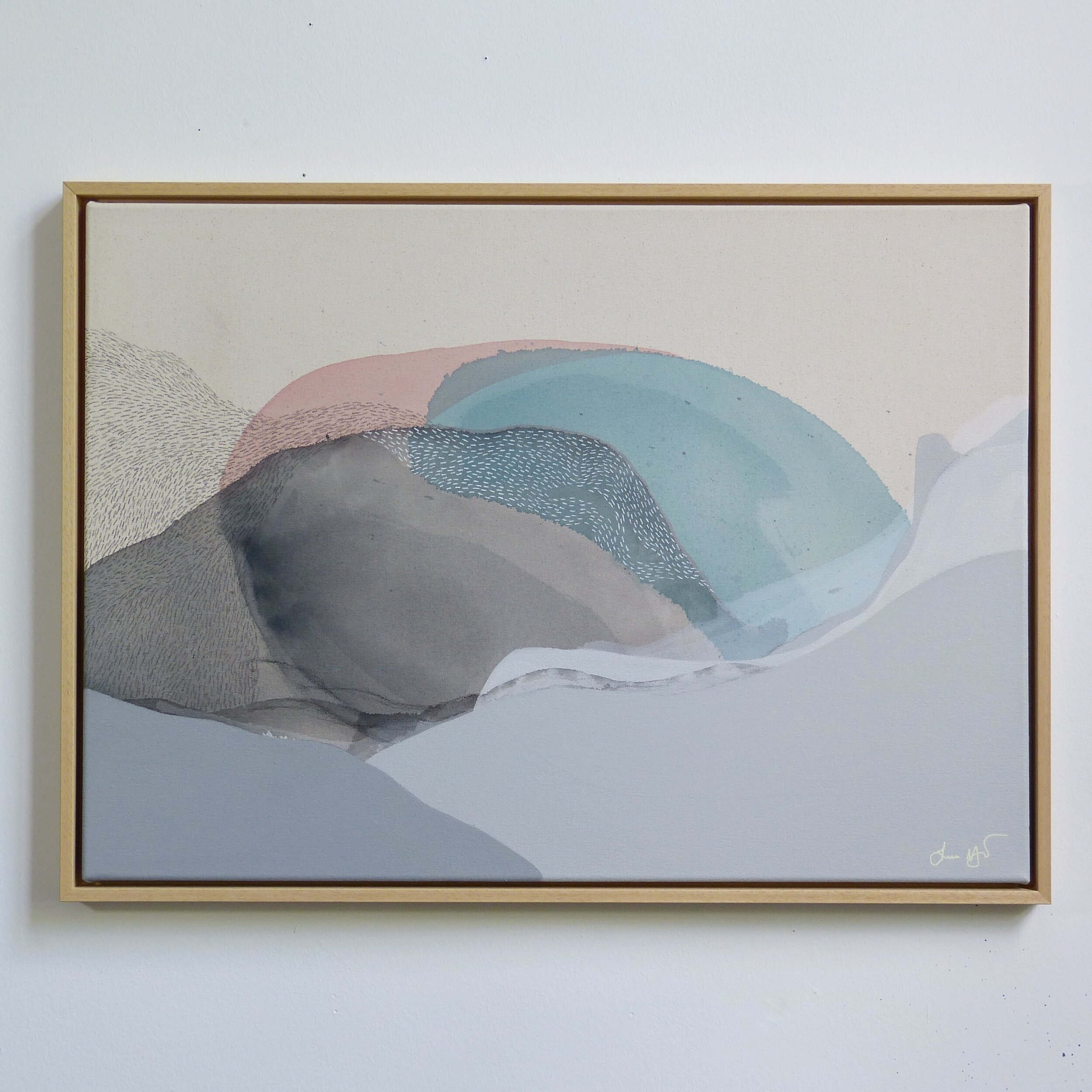
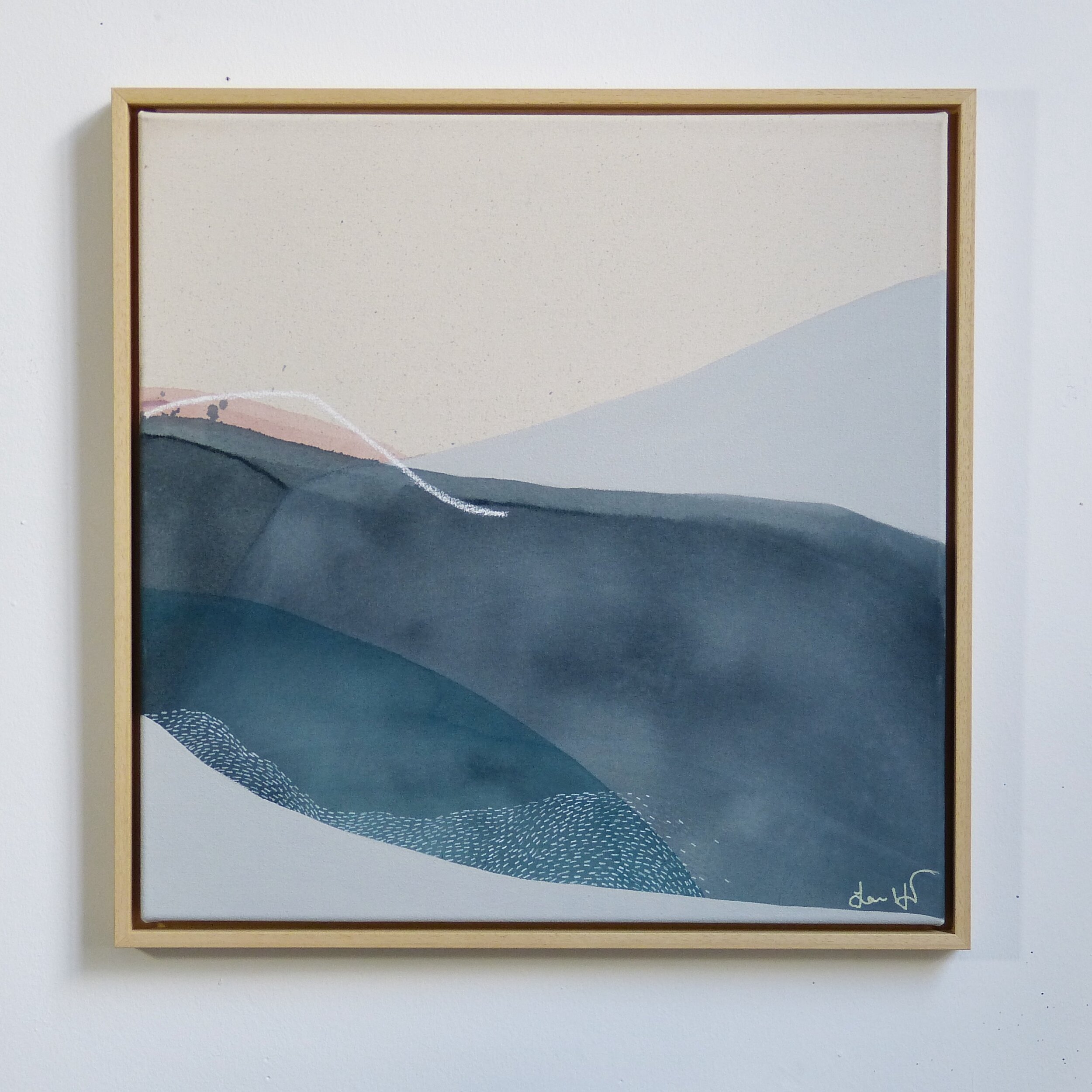
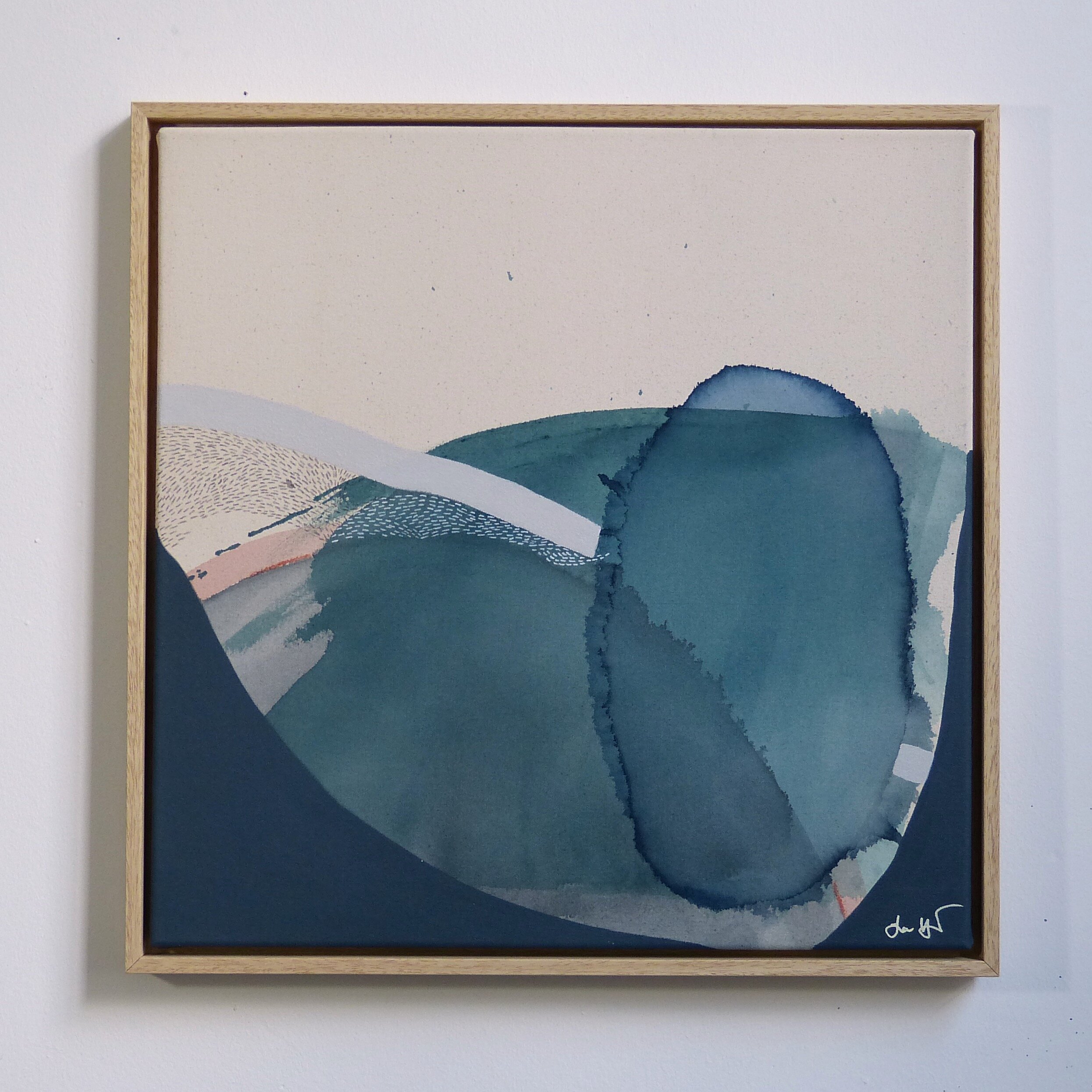
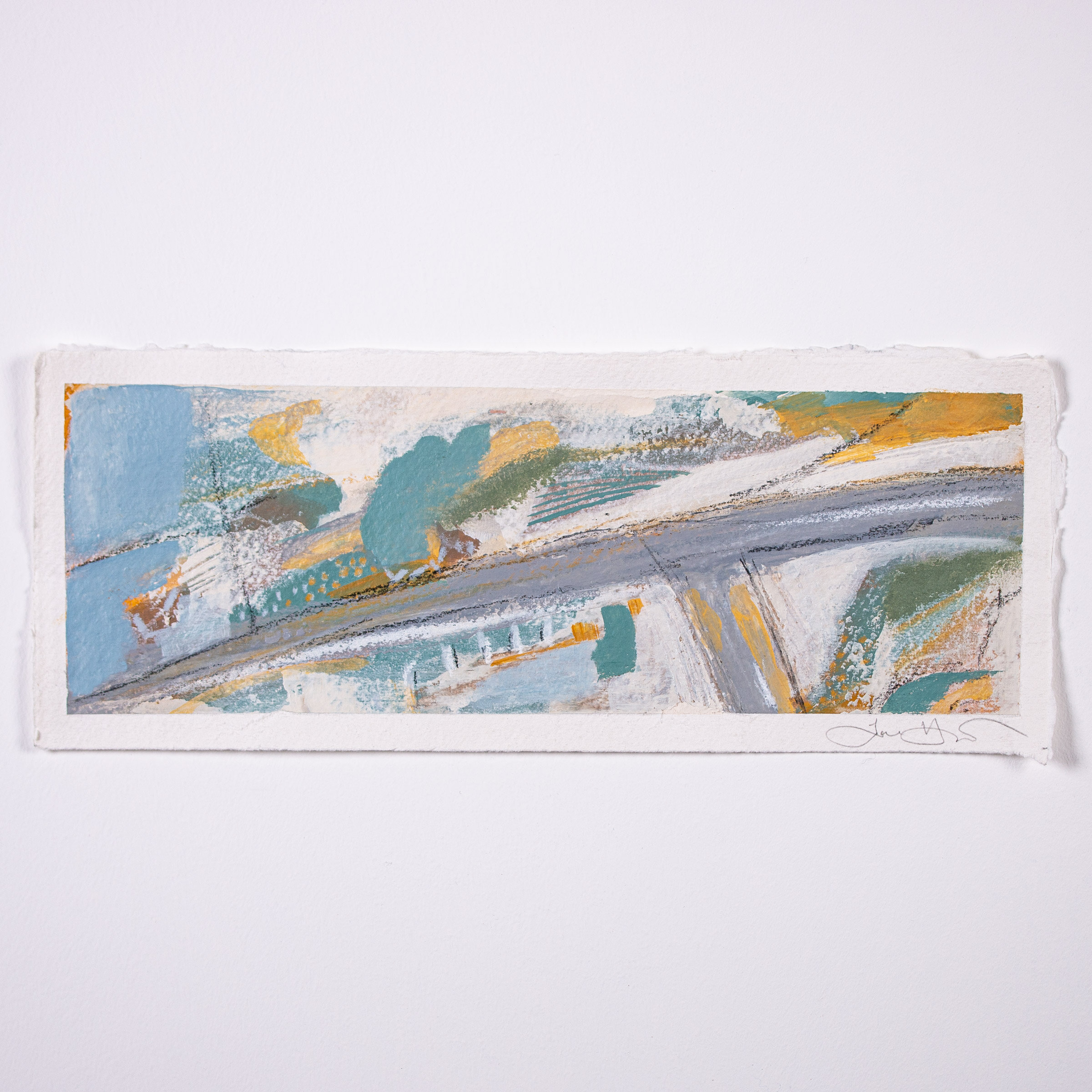
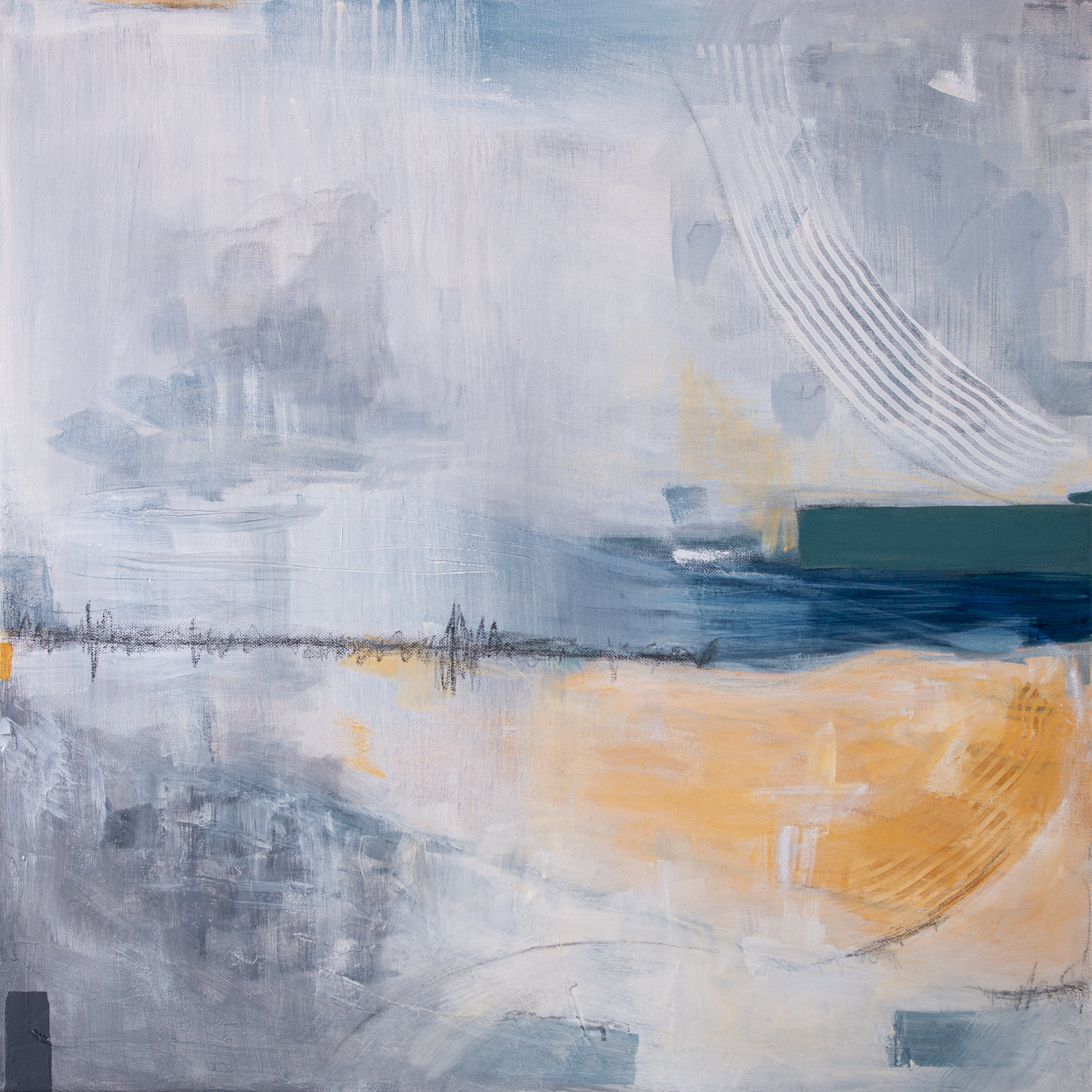
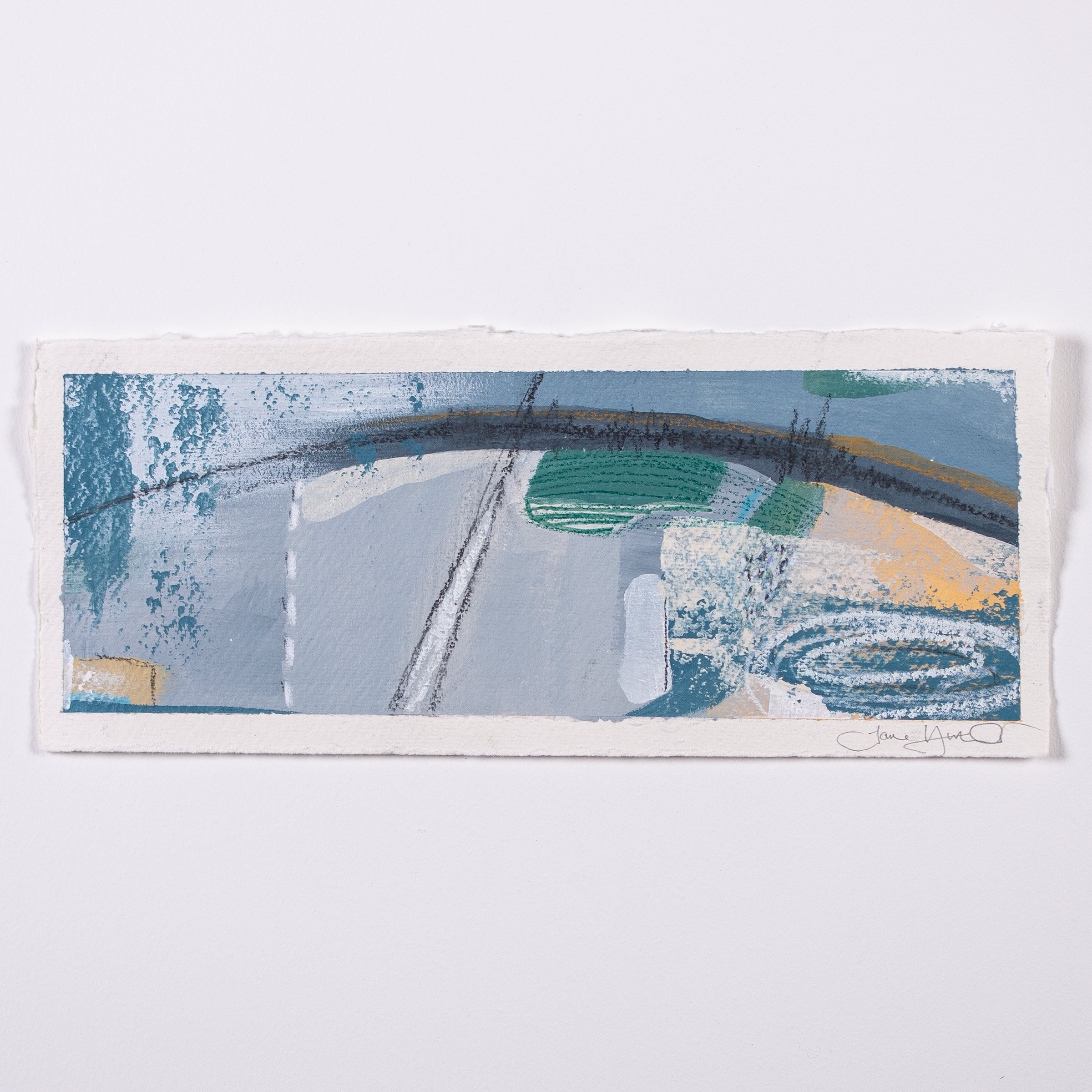
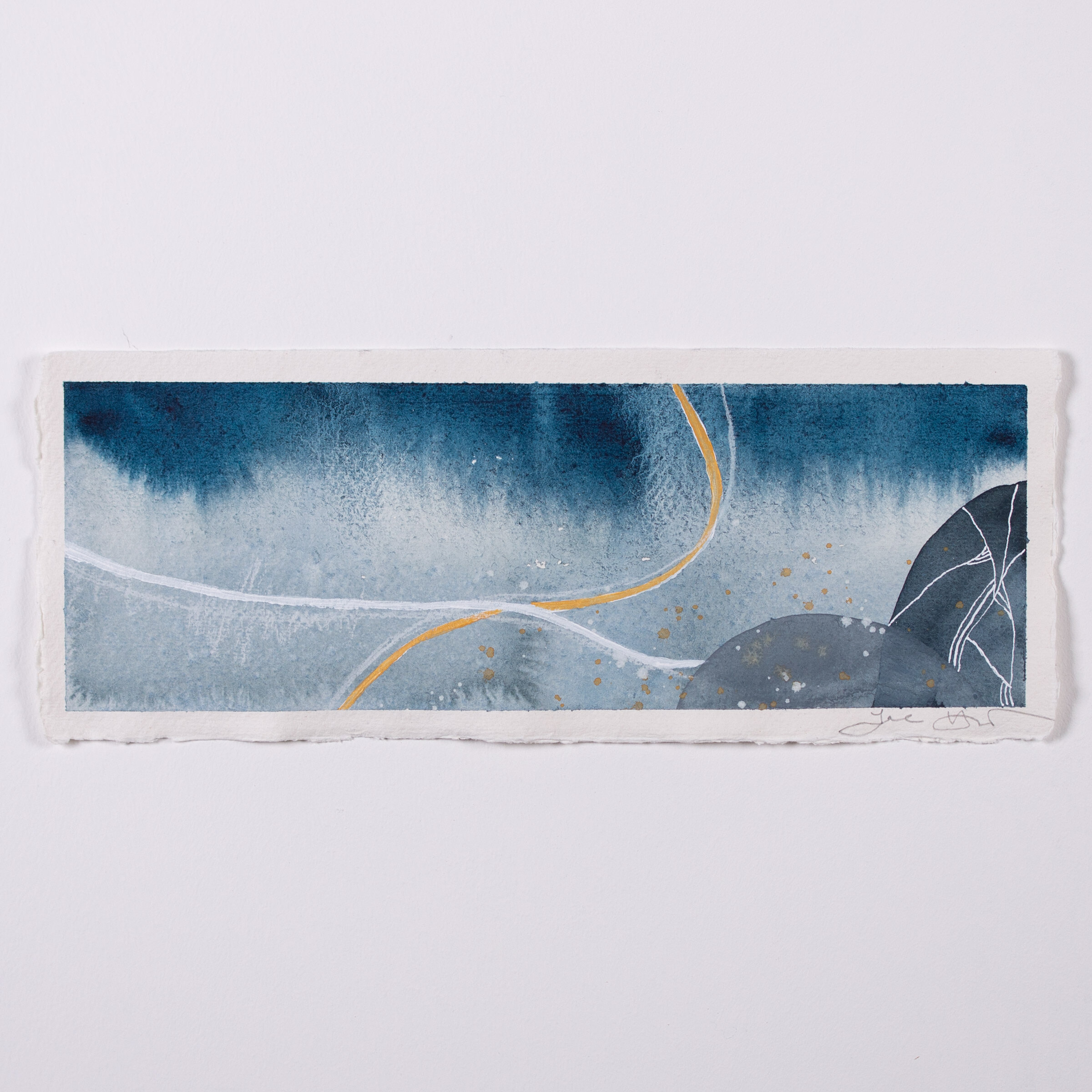
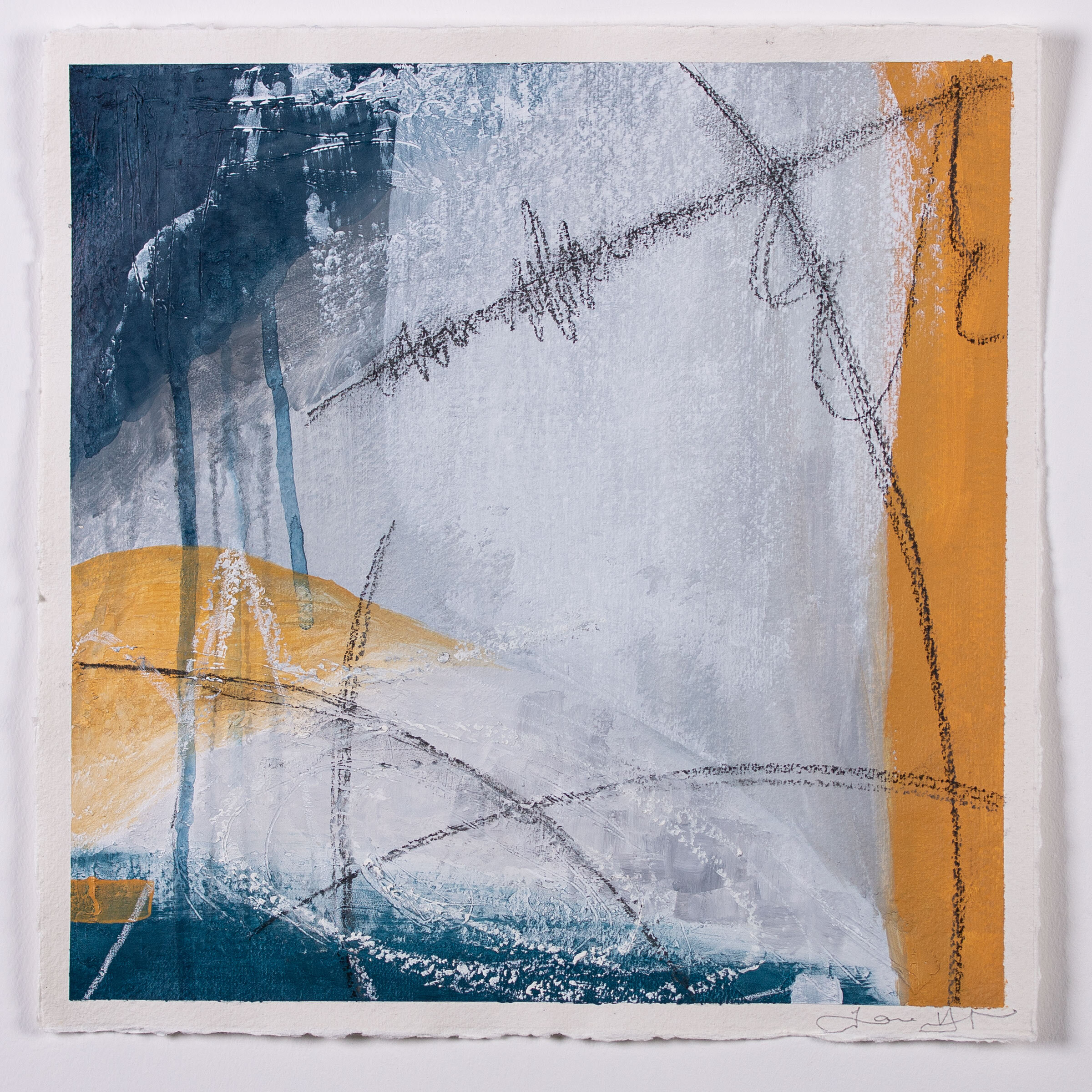
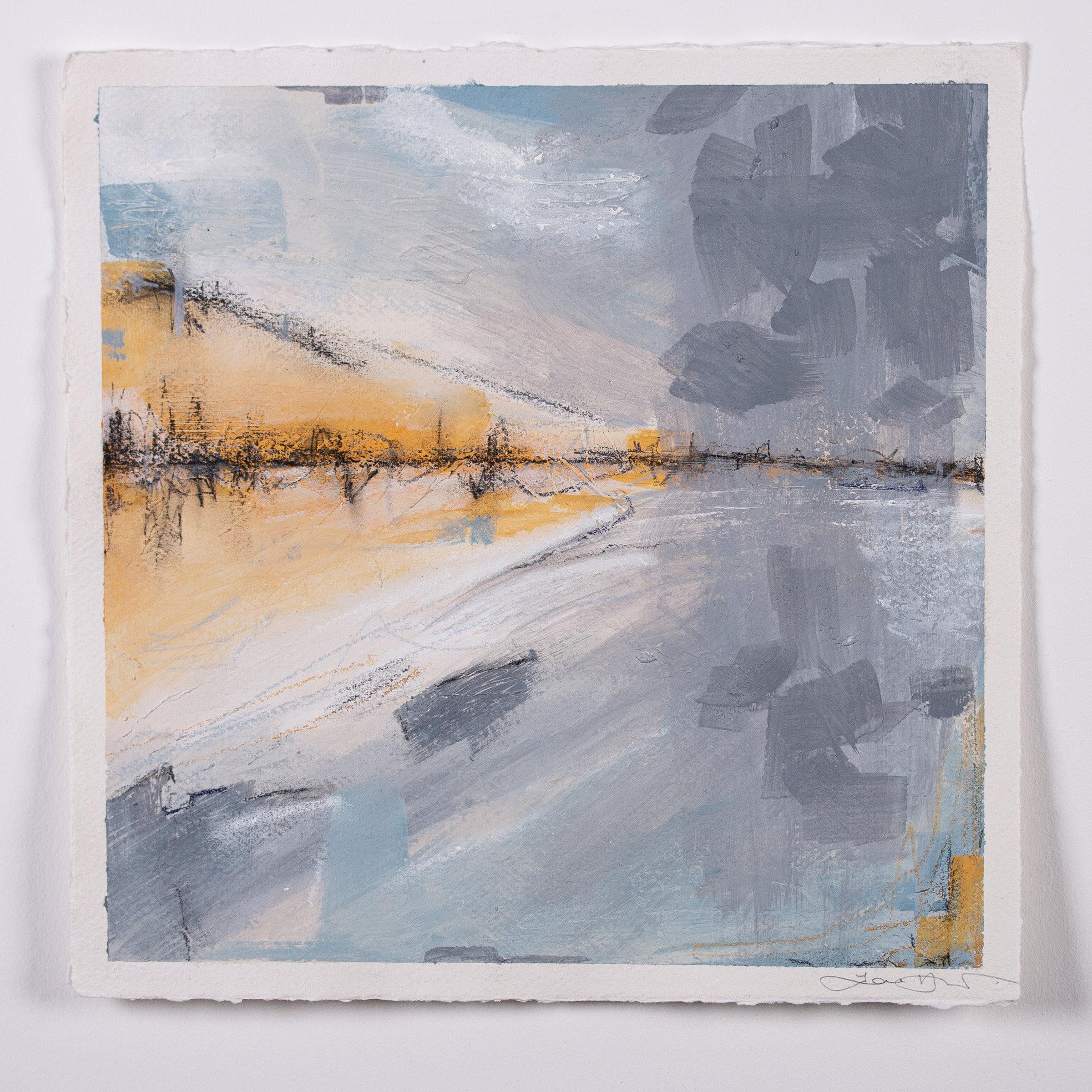
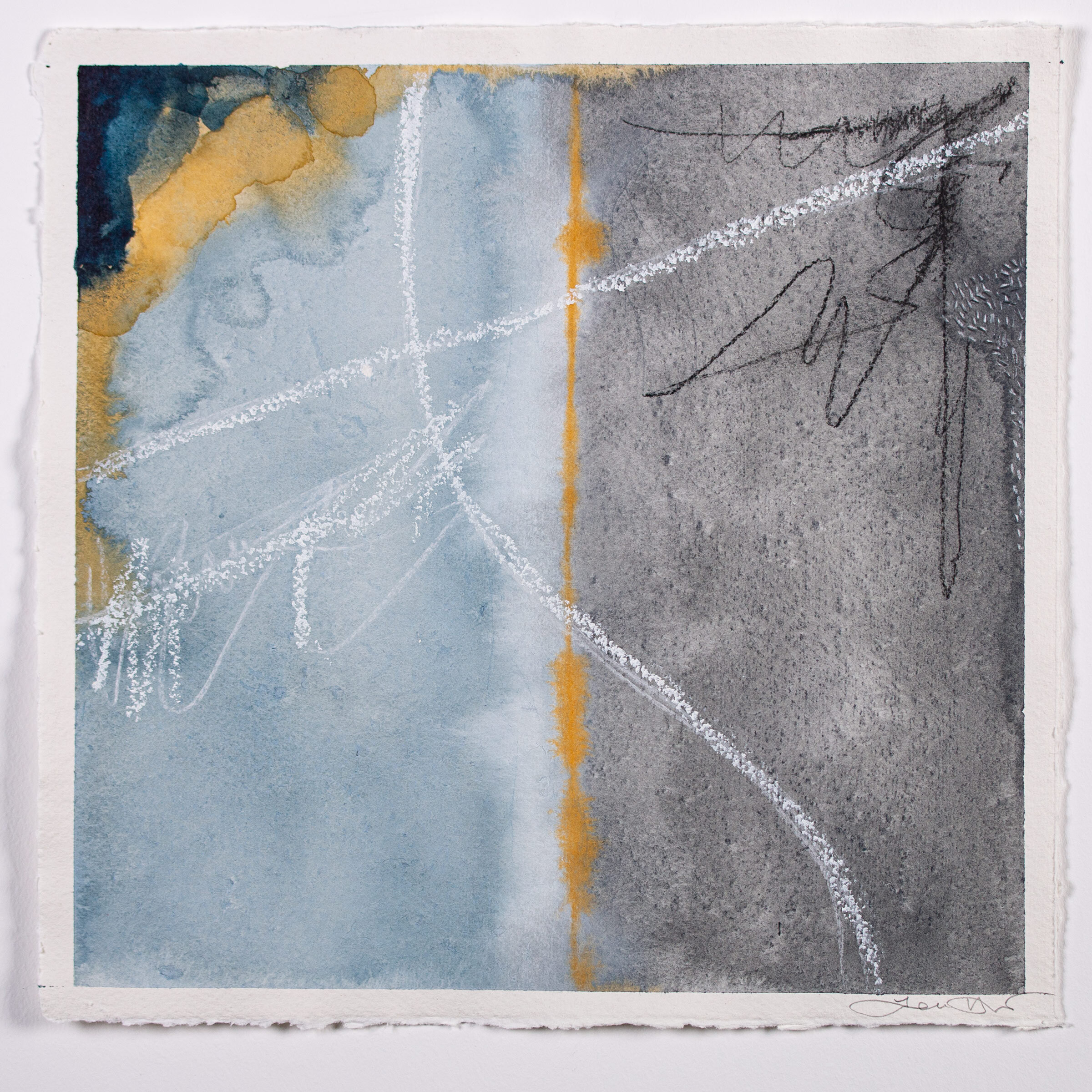
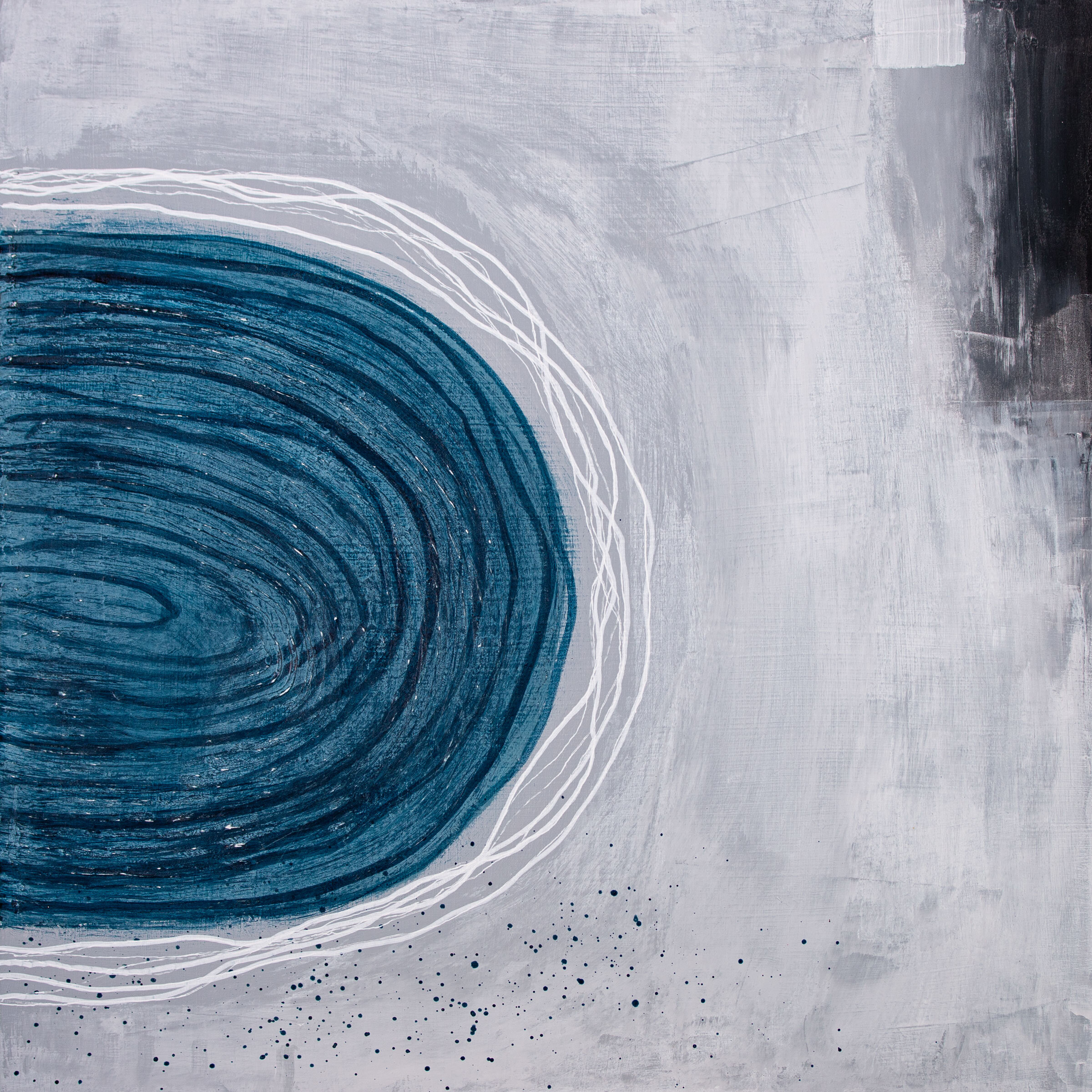
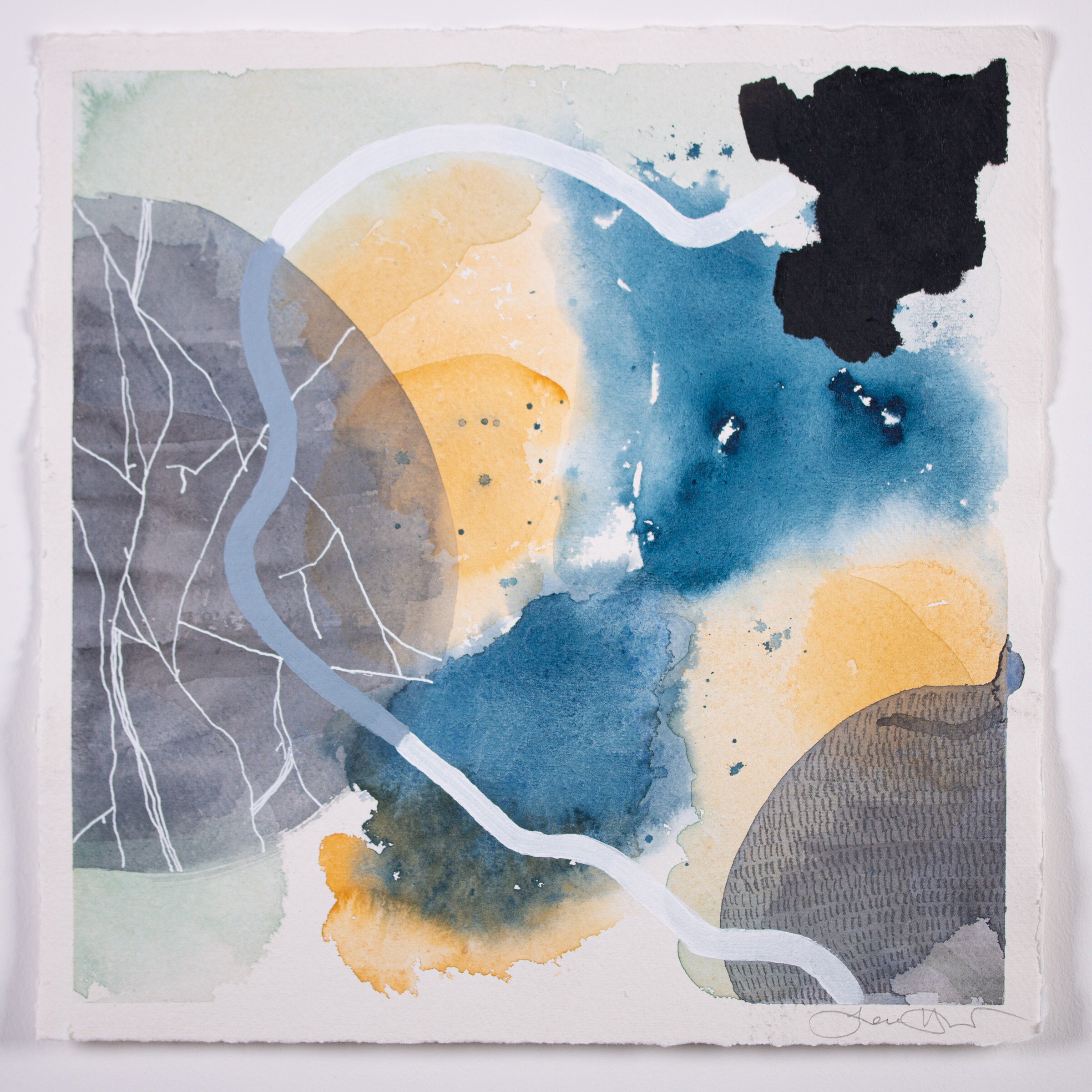
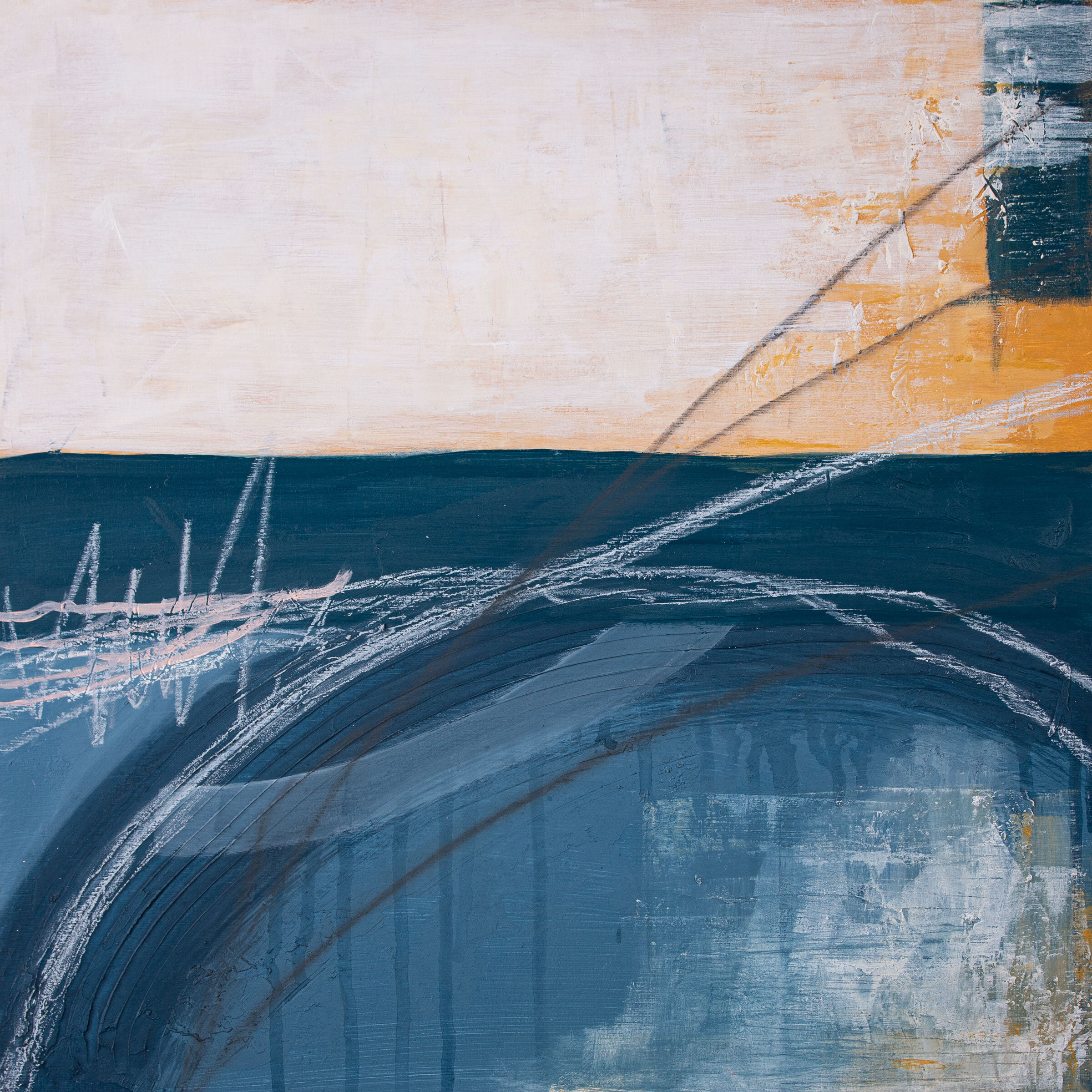
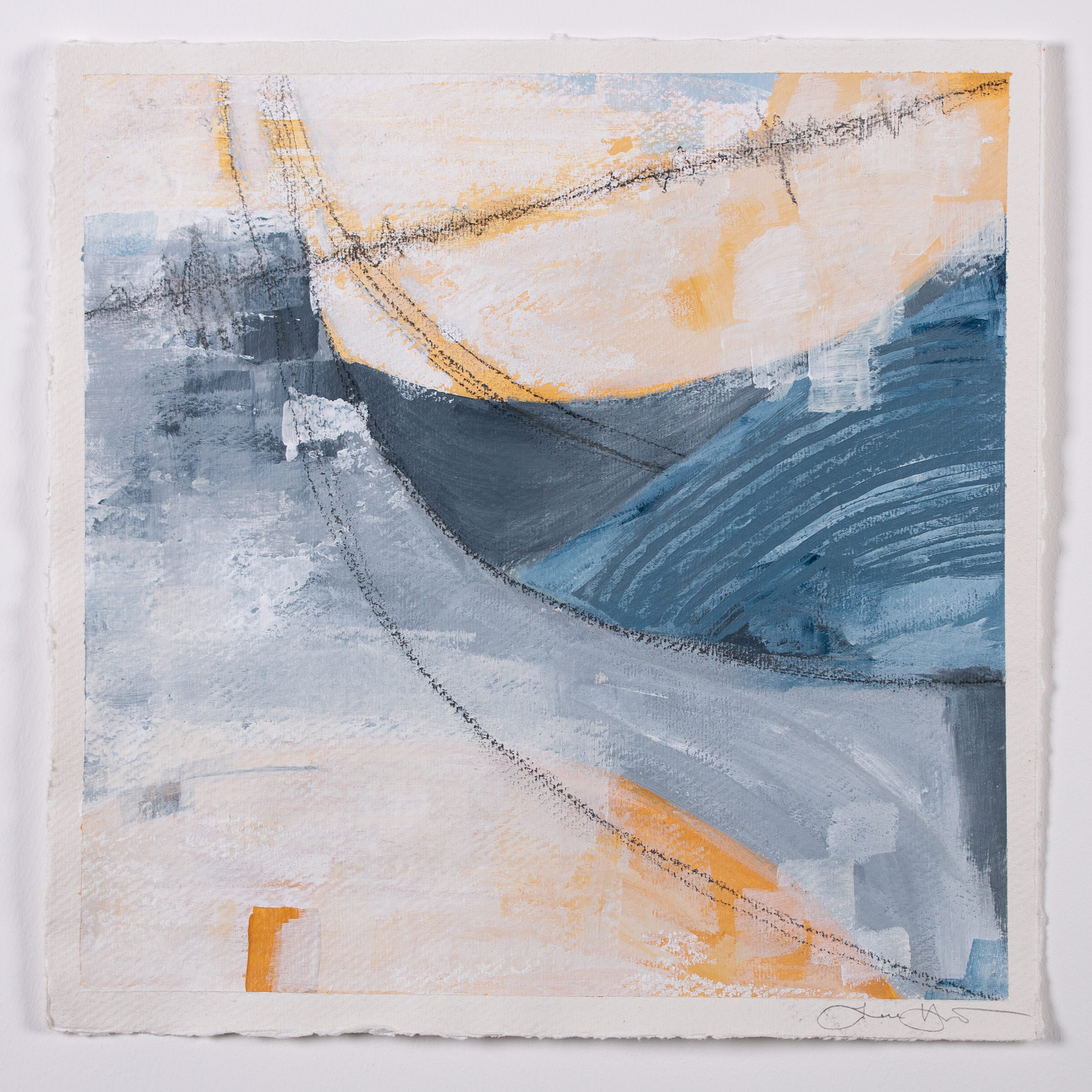
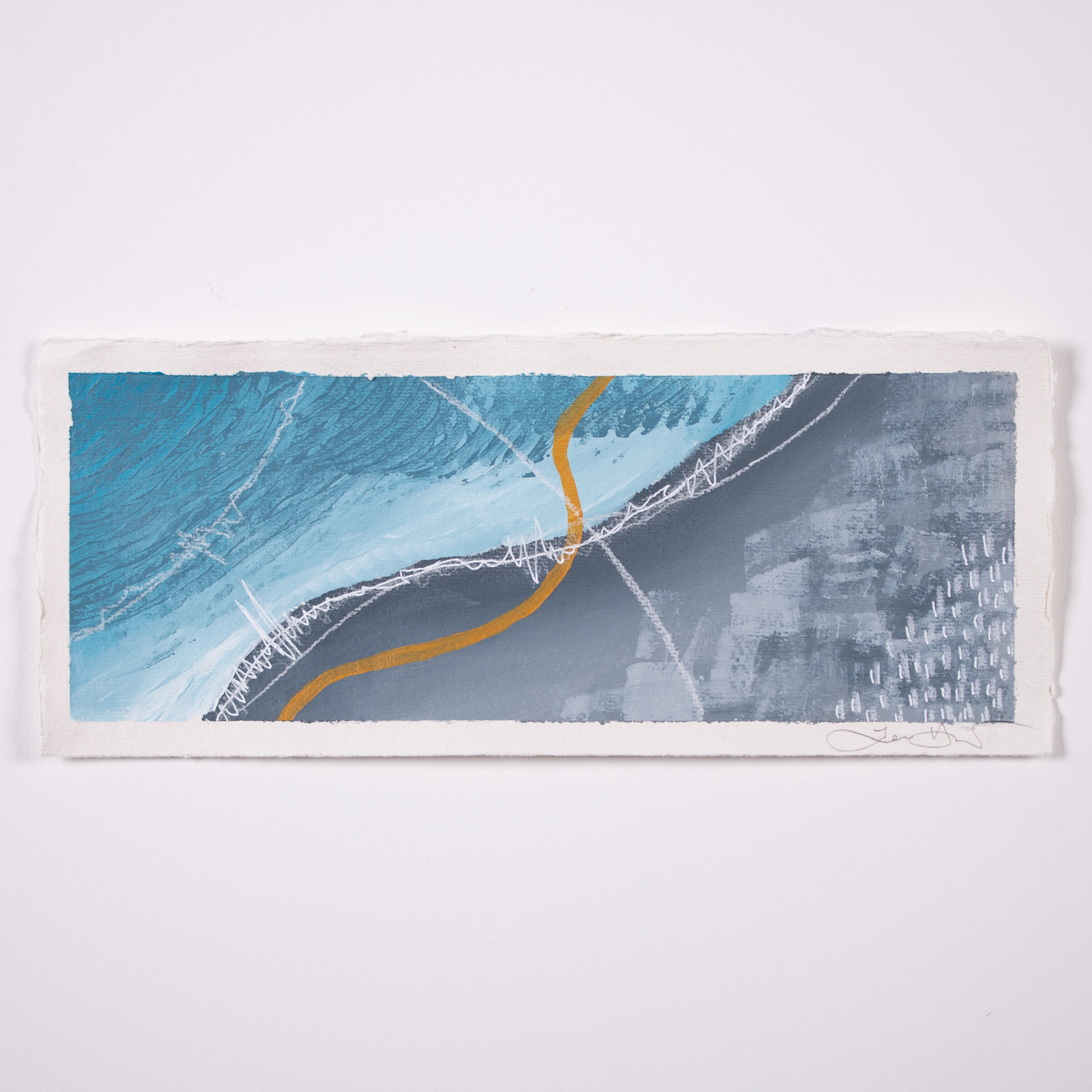
I am delighted to have five new paintings included in the show, all 30 x 30 cm and float framed in beautiful white painted wood. You can also read my accompanying text below:
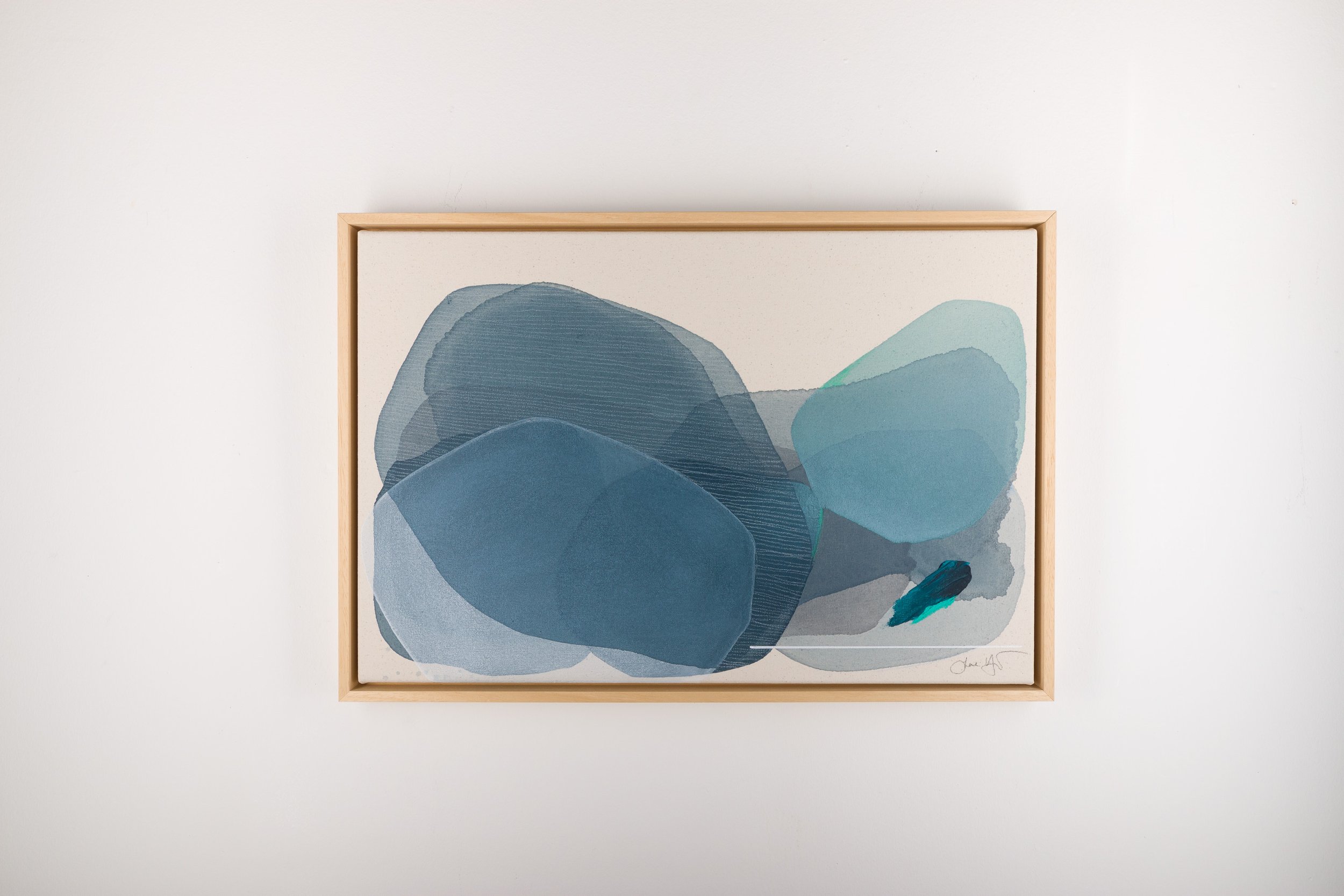
“As I mix inks and prepare to paint in my new studio here on the Isle of Bute, I contemplate the path that has lead me here and how my practice, and I, have evolved in that time.

My relationship with landscape and place have always been a strong theme in the work I make.

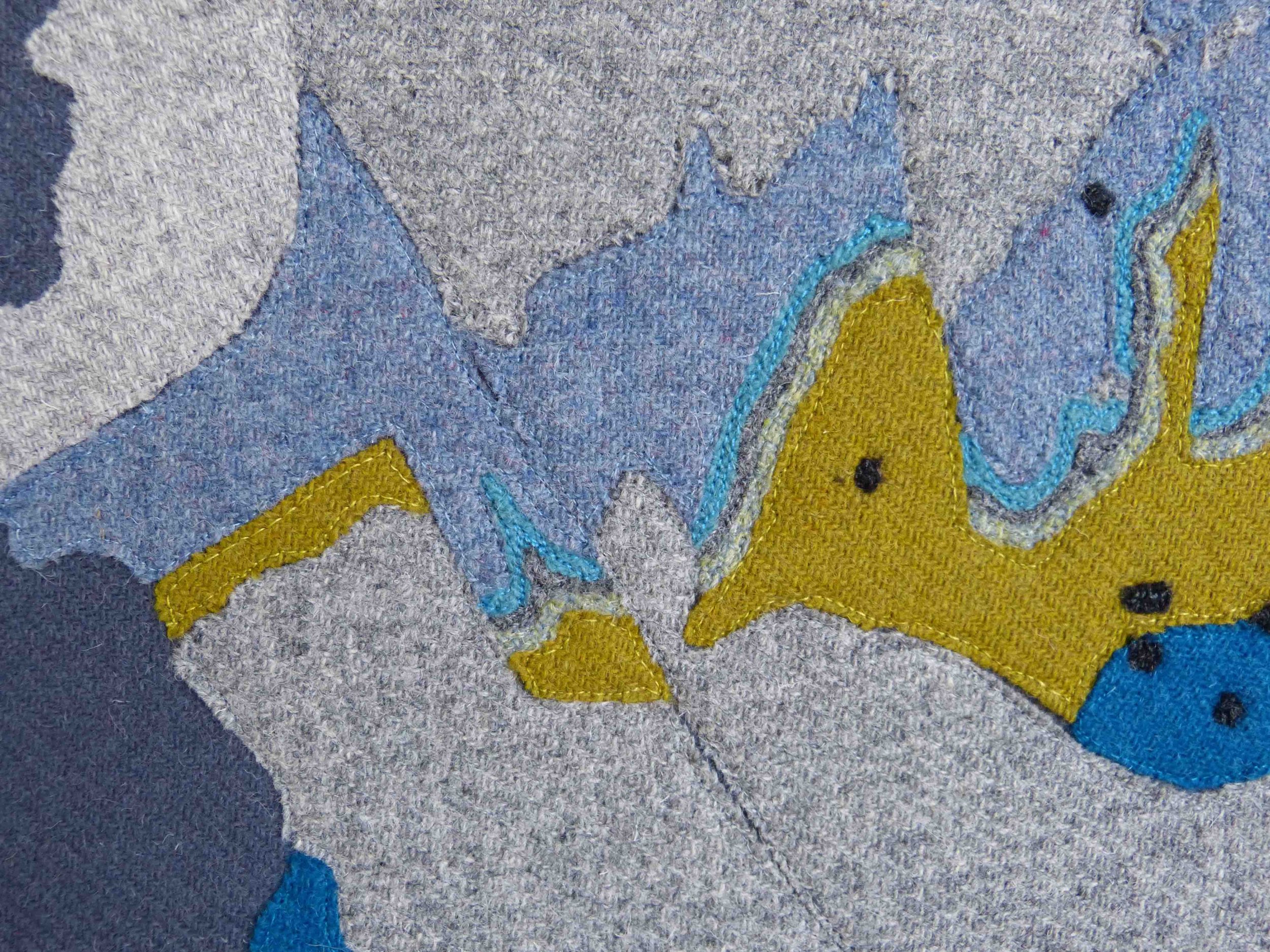
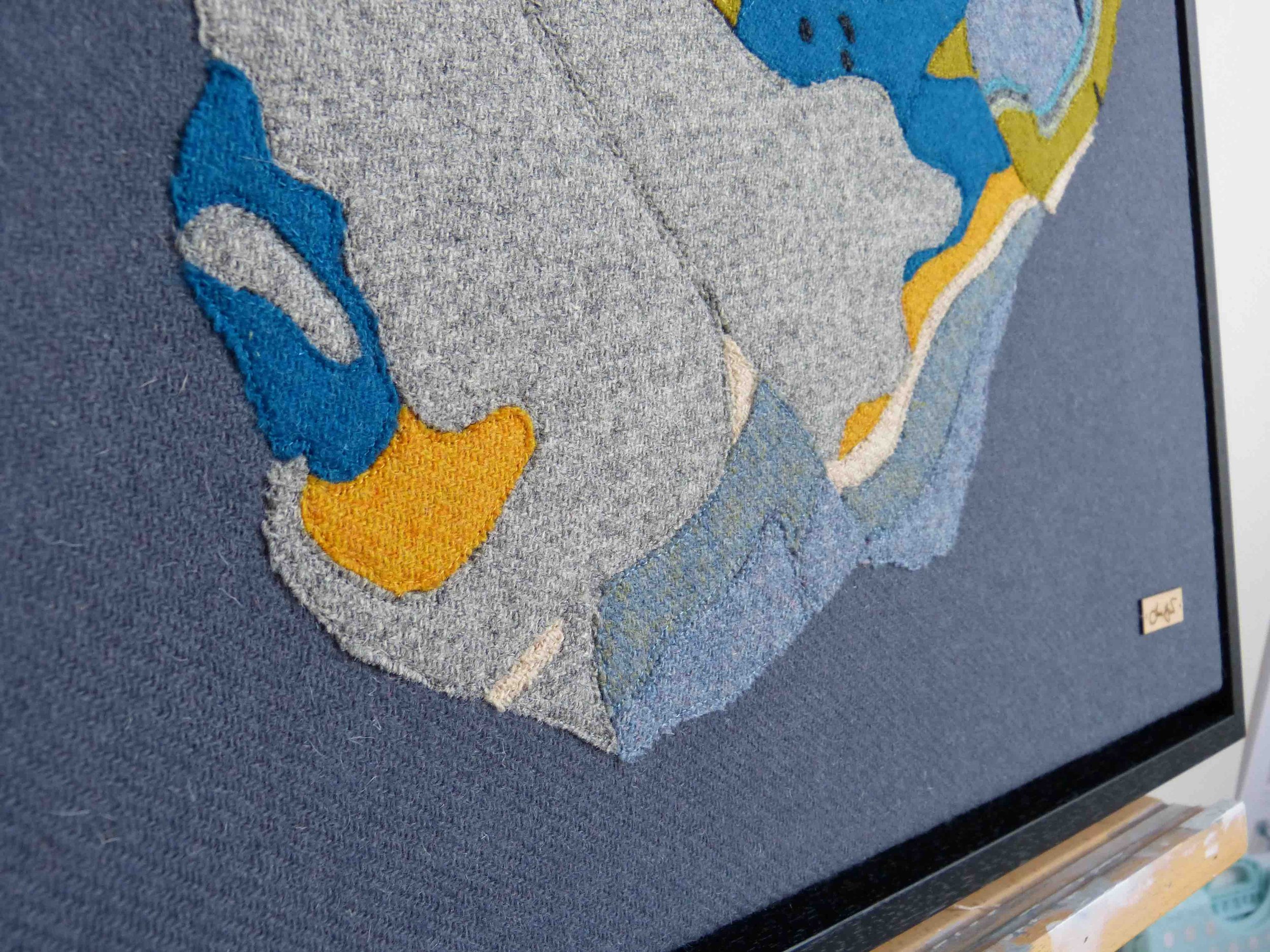
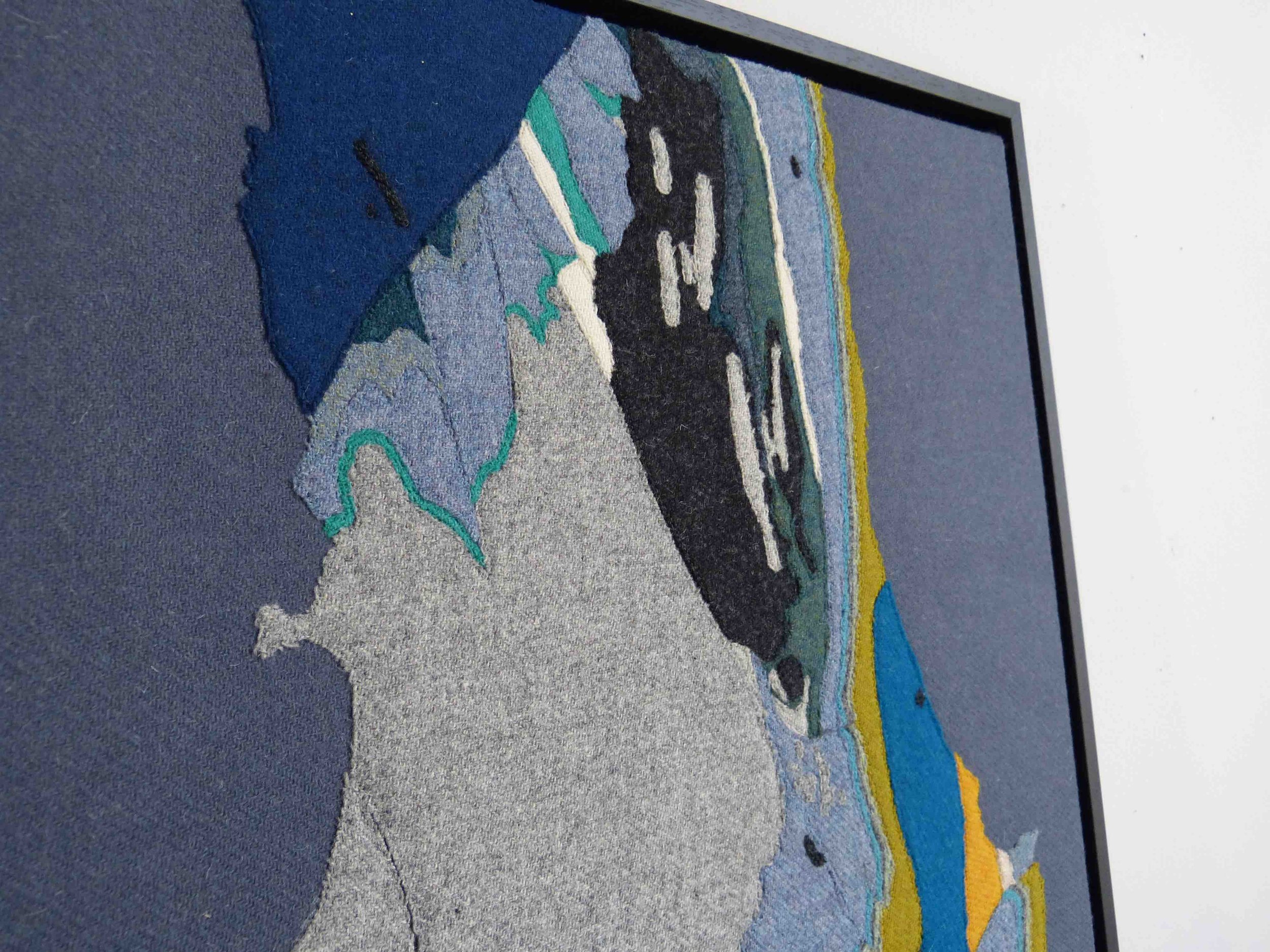
Earlier in my career geological maps and the exploration of landscape in the context of deep time were the dominant inspirations, developing an understanding of place from its very building blocks. As time went on, and by learning more about the world around us; flora, fauna, land, and seas, my focus moved towards a more emotional consideration of our interconnectedness with nature. Care for the natural world, and living symbiotically with it, has many benefits for nature and humans. In the words of Mary Oliver: “…attention is the beginning of devotion.” At the same time my choice of medium also developed, from layering and stitching fabrics to painting with watery inks, affording me more expressive and organic marks.
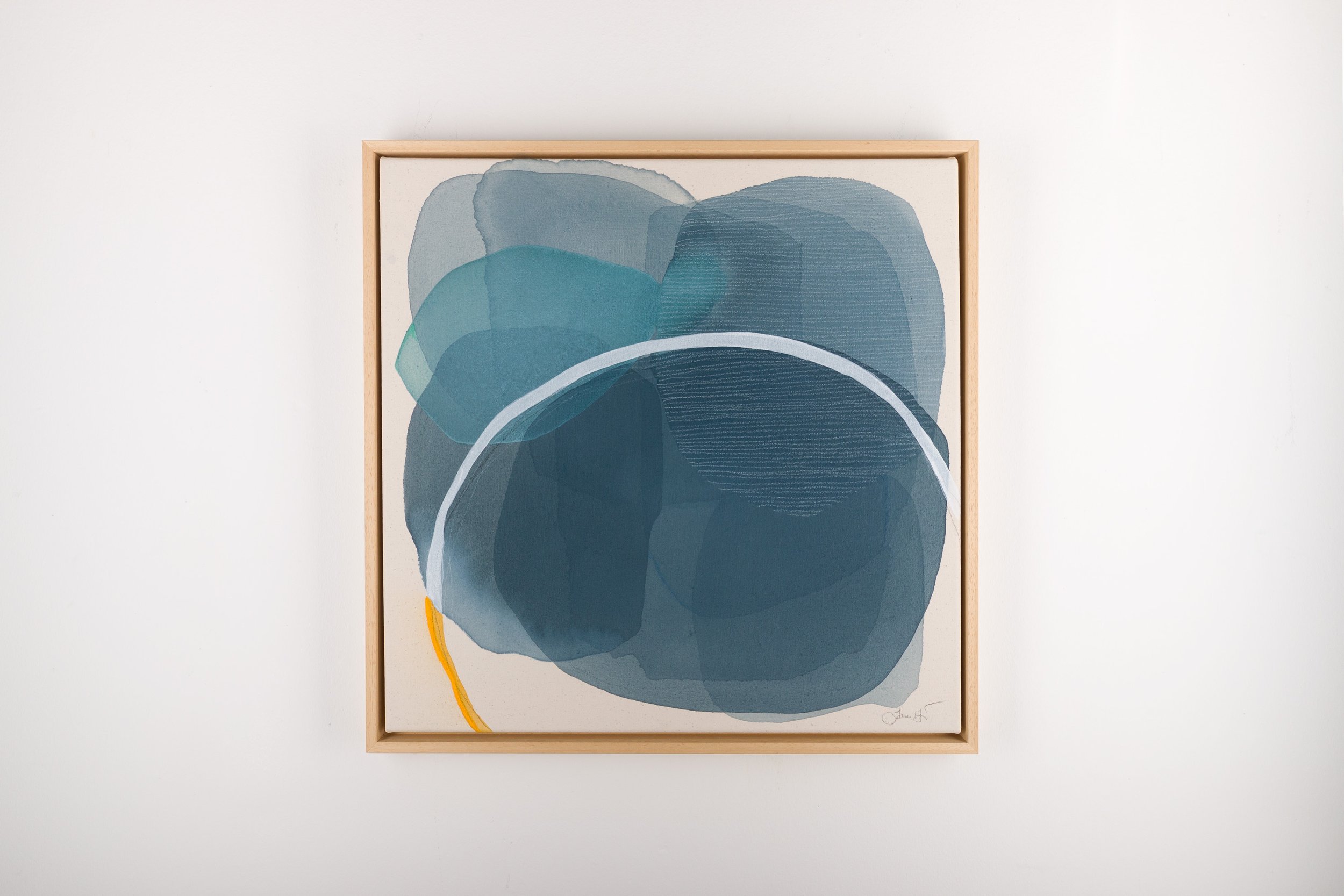
Having lived and worked in the busy, urban setting of the central belt all my life, my love for nature grew into a deep longing to be closer to it. Over the past few years I have been considering my sense of belonging and search for connection to nature and community. This culminated in a move to Rothesay in 2022. These paintings explore this time of change, layers of complex thoughts and feelings, marks of time and connection.“

This is a really gorgeous and moving exhibition, superbly curated by Rosalyn McKenna. I highly recommend a trip to Tighnabruaich to see this beautiful collection of works from a number of talented artists. You can also see all the works and details on the gallery website.

Tighnabruaich Gallery

Seaside House
Tighnabruaich, Argyll, Scotland
PA21 2DR

OPENING HOURS
Monday 11am - 3pm
Tuesday Closed
Wednesday Closed
Thursday 11am - 3pm
Friday 11am - 3pm
Saturday 11am - 3pm
Sunday 11am - 3pm

Tide Lines

I make paintings to communicate my thoughts and feelings, because I can rarely find the right words. This is often how I explain my motivation to paint and create, I find I can make more sense of the world around me through shape, colour and line. I do, however, consume all the words I can from a huge variety of talented writers, often in books but especially in the form of songs. At all points in my creative process from walking in the landscape to painting in my studio, my earphones feed me with wonderful inspiring words.

When I received an email from Tide Lines, a band which features strongly in my playlist, at the start of the year, it felt like a perfect collaboration. There are many parallels in our inspirations, landscape and place, the west coast of Scotland, thoughts of belonging and reflection about our place in the world. From “feel the breeze of the Hebrides” to “An ocean full of islands” the lyrics of Tide Lines songs evoke such strong imagery and emotion, so I was really excited to create something specially for the band. After a few video calls and discussions, about the (amazing and beautiful) lyrics and themes of the new album, my ideas for the cover artwork began to flow.

My paintings are made up of many layers, each needing to dry overnight before the next can be laid down. This forces a slowness and thoughtfulness to the process, allowing time to consider my next moves on the canvas. It also means I work on many paintings at one time, building layers of paint, pattern and marks - I ended up making three finished works for this project! Translucent watery shapes, overlapping and flowing into each other, bringing thoughts of peaceful reflection, togetherness and hope. Marks of journey and movement, glistening light, the passing of time. As often appears in my work, these organic elements are connected by the assurance of a solid form, an anchor point in the chaos.

My hope is that the final painting, which has now formed the cover of the album, goes some way to communicating, in a visual way, the stunning music and lyrics Robert, Ali, Gus and Ross have created.

I have also been delighted to see the creative ways that the painting, marks and paint strokes have been used by the Tide Lines team so far - the graphics for the ‘Written in the Scars’ and ‘These Days’ lyrics videos are so cool! Thank you so much to every one of the Tide Lines team, it’s been an absolute pleasure to play even a small part in this new album and such an exciting time for you all.

Hear more about the album and artwork in this lovely behind the scenes video from the band.

Tide Lines - The Making of “An Ocean Full of Islands”

SSA Annual Exhibition at The Royal Scottish Academy

“This year marks the 130th anniversary of the inaugural Society of Scottish Artists exhibition. To celebrate, we are taking a unique look at its vibrant history, and showcasing a selection of works that have contributed to Scotland’s artistic culture. We are also exhibiting new works by artists from across Scotland that respond to these artworks from the past from contemporary perspectives.

The SSA Annual Exhibition is one of the largest contemporary art exhibitions in Scotland. The exhibition is produced and supported entirely by artists with no public funding and will take place at the Royal Scottish Academy from 17 December 2022 – 10 January 2023.”

Delighted to have had ‘The Ebb and Flow’ selected and hung in this historic place.

NORTH - Visual Arts Scotland

NORTH is the first exhibition of Visual Arts Scotland’s Compass exhibition programme; a series of exhibitions connecting the North, South, East and West of Scotland, and arguably their most ambitious project to date. “This is an exciting opportunity to engage with new spaces and connect with our Members on a wider scale than we have done before.”

I’m pleased to have had my painting ‘Between Us’ selected for this wonderful exhibition.

NORTH runs from 2-21 December 2022, Mon-Fri, 9-5pm. Free Entry.
Private View 1 December, 6-8pm.

Venue: Inverness Creative Academy, Midmills Building, Stephen's Street, Inverness IV2 3JP

Image of exhibition space, featuring works by Helen Moore, Lindsey Lavender and Jane Hunter.

Photo courtesy of Paul Campbell.

The Big Art Show, Paisley

The Big Art Show, the largest open exhibition to take place in Paisley, opened on 26 August 2022.

I am thrilled to have had three paintings from my most recent collection selected for the show.

‘Sea-salt skin’

‘Concealed/Revealed’

I was also blown away to win the ‘Best in Exhibition’ prize for ‘A collective embrace’ !!!

‘A collective embrace’

We had a great evening at the opening, amazing to see such an open and inclusive exhibition in my home town. Thank you so much to Outspoken Arts, Art Paisley and The Paisley Centre, who sponsored the prize.

The exhibition runs until 26th November 2022 at The Art Department in Paisley Town Centre.

Unmute - Society of Scottish Artists

I’m delighted to have had this painting ‘Reciprocity’ selected for the Society of Scottish Artists first physical exhibition of 2022, Unmute.

In collaboration with Dunoon Burgh Hall, the society are showcasing a selection of work by SSA members in a wide range of mediums.⁣

The show runs from 17th June to 24th July at Dunoon Burgh Halls, 195 Argyll St, Dunoon PA23 7DD⁣
Opening Times: Wednesday to Sunday 10 - 4pm⁣

There’s a link to the online viewing room here, but I highly recommend a visit to the physical show. ⁣

We had a lovely evening at the opening, there’s such a wonderful range of work on display and beautifully curated. ⁣Huge thanks to the panel for selecting my work!

National Museum of Scotland

I’m absolutely honoured to have had one of my artworks commissioned by National Museums Scotland, as part of the Contemporary Collecting programme, to be held in the permanent collection.

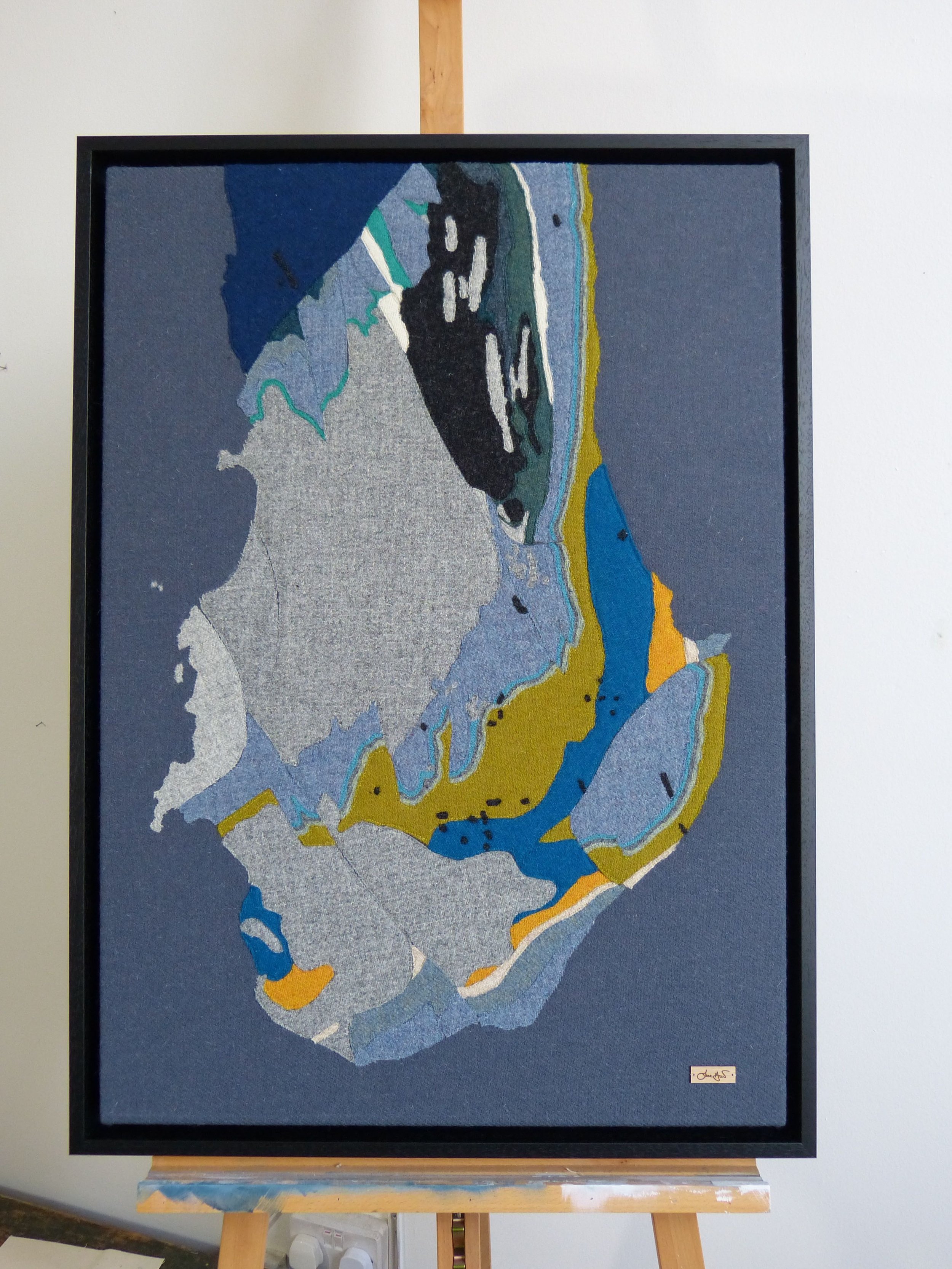
Originally commissioned for the new Isle of Raasay Distillery in 2017 (the original still hangs in the lounge of the distillery) this piece shows the geological map of part of the island and celebrates the deep connections between the whisky, landscape and community.

Raasay Geology 2022 - acquired for the permanent collection at the National Museum of Scotland

Cove Park - Winter Residency

At the beginning of February 2022 I travelled to Cove Park in Argyll for an artists residency.

I applied for this residency to further develop the significant shifts in my practice over the last couple of years. To spend a period of focussed time physically removed from my ‘normal’ life and its responsibilities. To be fully and actively engaged with reading, writing and experimenting with my practice.

It’s going to take me a while to put into words the full experience I had on this residency, but what I can say is that it has lit a fire in me. I wrote a quick and spontaneous post on my Instagram the day I got home, which captures quite well the highlights of my week: 

“My first artists residency, in fact my first time away from home alone. A week of inspiring views and deafening wind. A group of truly warm and open people who shared the time with me. The opportunity to absolutely absorb myself in my practice and consider what’s important.

Driving rain, blinding sunshine, being smashed in the face by the waves in Loch Long, sharing a traditional Senegalese meal, fish & chips in the pub, being beaten back by wind and rain every time I went for a walk, the feeling of total comfort and ease in a place and with people I’d just met.

I loved every minute of it.”

While working in my studio at Cove Park the concept of symbiosis was something that was at the forefront of my mind. How constantly connected to the landscape I felt through the huge glazed walls of my bedroom and studio. Acutely aware of the shifts in light and weather, how this affected me and my work. The relationship with my fellow residents, how these interactions enhanced our experiences, the sharing of ideas, time, food or materials. Even down to how I was physically making paintings, having multiple pieces attached to one support, which meant that the movement required for the watery paint in one painting affects all the others. This sometimes resulted in paint running off the paper or behaving in a way I didn’t intend, but I found this interconnectedness a fascinating part of the process. 

Symbiosis -

1. involving interaction between two different organisms living in close physical association. 

2. denoting a mutually beneficial relationship between two different people or groups.

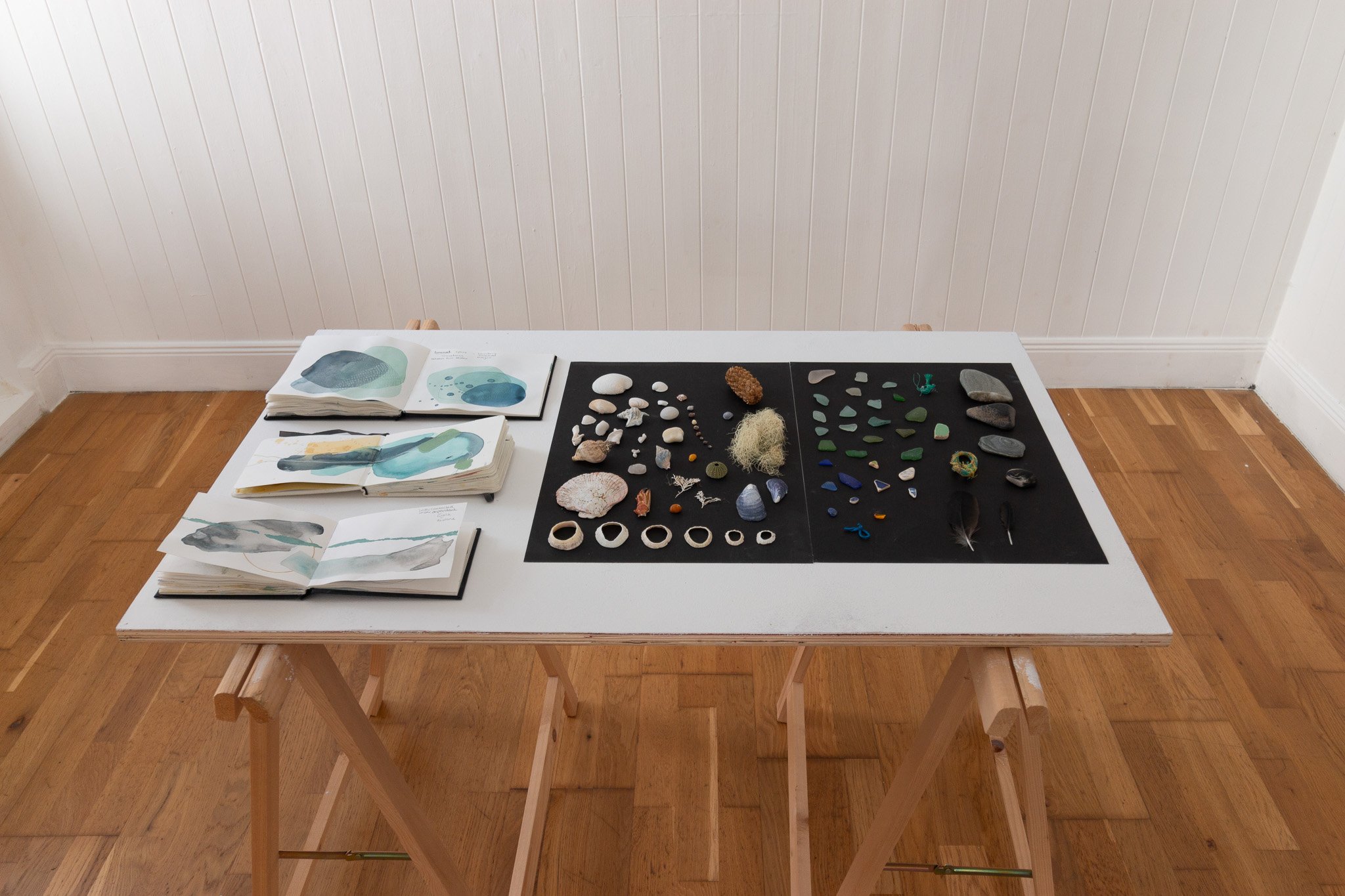
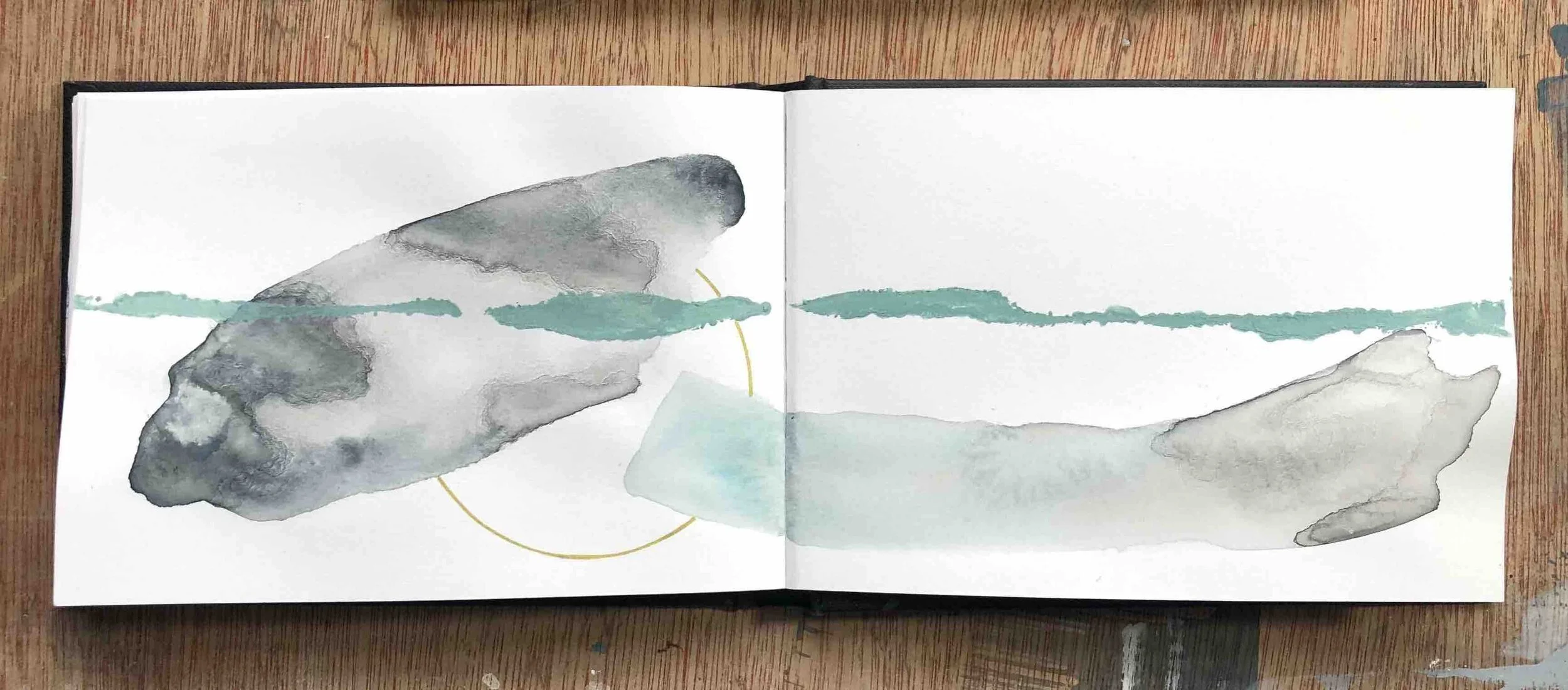
I explored these thoughts in a series of small ‘Symbiosis Studies’, which are currently informing a new body of works on canvas.

I know that the experience of this residency will be far reaching in my practice and I’m very grateful to have had the opportunity. 

SURGE - Tatha Gallery x Visual Arts Scotland

I am delighted to be showcasing my work as part of SURGE, a new exhibition of work by VAS Members curated by Visual Arts Scotland and Tatha Gallery.

Featuring an array of art forms across the wide spectrum of disciplines that VAS champions, against the silvery Tay, this exhibition takes on a collective momentum in simpatico with the tidal swells of the local landscape and the general wave of growing optimism.

Lindsay Bennett and Clare Mackie of Tatha Gallery worked with a panel from VAS to select a varied selection of works that demonstrates the diversity of creativity that VAS represents.

SURGE is on display at Tatha Gallery, The Newport, 1 High Street, Newport-on-tay, Fife
9 October – 6 November 2021.

‘Low Tide’ Jane Hunter 2021

‘Low Tide’ Jane Hunter 2021

‘Early Morning Dip’ Jane Hunter 2021

‘Early Morning Dip’ Jane Hunter 2021

Tatha Gallery is one of Scotland's leading contemporary art galleries. Located in a beautifully restored Georgian building known as The Newport, their unique and welcoming gallery has a strong focus on Scottish contemporary art; showing time-honoured, established artists alongside emerging talent. The artworks on display, along with their stunning location, makes a recipe for interest, excitement and excellence.

‘The Rush’ Jane Hunter 2021

‘The Rush’ Jane Hunter 2021

Jane with her paintings on preview night

Jane with her paintings on preview night

Surge Exhibition Main Image small.jpg

SURGE is on display at Tatha Gallery, The Newport, 1 High Street, Newport-on-tay, Fife
9 October – 6 November 2021.

Progression - Visual Artists and Craft Makers Award

I’m very grateful to have been awarded a ‘Visual Artists and Craft Makers Award’ (VACMA), to develop my art practice in 2021. Established by Creative Scotland, and in partnership with Renfrewshire Council, the VACMA support artists and craft makers in developing their practice through new work, skills or opportunities.

Jane Hunter Artist Studio Table Paisley Scotland.jpg

I began to consider the progression of my work a year or two ago. I was increasingly drawn to explore new materials and to think more deeply about what I wanted my work to say (I wrote about it in this article here). Since then I have been experimenting with paint, finding that compared to the textiles I was used to using this medium allowed me to produce work with much greater spontaneity and expression. The VACMA award has given me the opportunity of a dedicated period of time to further develop this progression. To learn more about the possibilities of paint through experimentation with different techniques and surfaces. To reflect on the work I’ve made in the last seven years, distill the fundamental elements and bring these into my paintings.

Jane Hunter Artist Sketchbook .jpg

I started by going right back to the beginning of my art education, thinking about the artists and movements I had been taught about. My ‘official’ art history education was pretty much limited to the old masters, I will always remember having to write a very long and painful essay on Géricault‘s “Raft of the Medusa” at school. While of course I completely admire, appreciate and marvel at the work of these great artists, it just wasn’t my ‘thing’ really. At home however, I was introduced to Mackintosh, Modigliani, Clarice Cliff, Picasso and Mondrian. As a teenager these are the type of artists I got excited about, and ultimately what rooted my fascination and love for modern art and design⁣. I spent some time researching them, reading about their practice, looking at their styles and comparing their similarities. I realised that the aesthetic quality I strive for in my own work has certainly been influenced by these artists.  

Applying the same method of research, I reflected on my own body of work from 2013 until 2020, analysing my inspirations, aesthetic, themes and progression to pinpoint what excited me about the work I had made. I picked out a dozen pieces and wrote down what I enjoyed about the work and what I didn’t enjoy (or what it was that made me want to explore a different approach). From this exercise I was able to really focus in on the aspects of my practice that remain constant and important, regardless of medium. I learned that my fundamental inspirations; landscape, geology, maps and diagrams, remain the same and these will continue to drive my work. That the process and materials are just as important as the finished piece - where I used to cut and stitch tweed together, now the raw canvas stained with fluid paint can create the similar feel of a ‘made object’. What I found most interesting through this exercise was that most of the pieces I picked out were ones I had made which had a strong intention and meaning, something which went beyond the basic story of the landscape and spoke more deeply of connection and experience and this is what I want to bring to the forefront in my paintings. I have previously used the very specific features of a map or diagram to form the structure and composition of my work, staying true to the contours and bedrock of the physical landscape. What I have considered now is how to use the learning and experience of studying these features in a more expressive way. Abstracting line, form and colour found in topographical or geological maps and drawings, and using them alongside organic shapes to communicate a story of experience and connection to the landscape.

Jane Hunter Artist Sketchbook 5.jpg

With more clarity in the motivations and narrative I want to communicate with my work, I then looked at the artists I am interested in and inspired by right now. I have started to delve into the abstract expressionists, with particular focus on the women artists such as Lee Krasner and Helen Frankenthaler (on this subject, I highly recommend the book ‘Ninth Street Women’ by Mary Gabriel). I revisited the work of Scottish artist Wilhelmina Barns-Graham, which I was introduced to at the Watermill Gallery where I had my first exhibition, Barbara Hepworth, Ben Nicholson and several others of the post-war abstract movement.

Jane Hunter Artist Research Reading .jpg

This research has lead me to a greater understanding of how the work I make fits into the art world as a whole, to make sense of and feel comfortable in the visual language I’m creating. A language of gentle restraint, economy of form, space, light and colour. 

Following this period of experimentation and research, and with ongoing support from Renfrewshire Council’s Artists Development Programme, I am currently working on a whole new collection of paintings which I hope to share with you soon.

Jane Hunter Artist Abstract Painting Detail .jpg

The intimate support of water

Secret Regatta, Tighnabruaich Gallery 

June 2020

‘The Intimate Support of Water’

When I was young my family had a small boat on Loch Lomond, and we spent many happy days on the water exploring the loch’s bays, islands and islets. As one such day was drawing to a close, we were caught out by a storm. Rain and strong winds brought waves up over our boat, bouncing us around and tipping the contents of the cabin onto the floor. Although we averted disaster that night, eventually making it back to the safety of the River Leven after dark, for 12-year-old me it triggered an unease with water that has stayed with me into my adult life. 

Jane Hunter - Artist - Early Boating - 1.jpg
Jane Hunter - Artist - Early Boating .jpg

This fear of deep water is something I have thought about increasingly in the last few years. A fear of the unknown, a whole world that exists below the surface where we cannot survive, a place that is unpredictable and, for me, frightening. I have, however, remained fascinated by water too and love being close to the sea, albeit from a secure and solid viewpoint.  The west coast and islands of Scotland is where I would always choose to be, with short ferry journeys being at the limit of my seafaring ability. 

Jane Hunter - Artist - on the shore .jpg

In 2018 I created a body of work for the Tighnabruaich Gallery titled ‘Hush’, which explored Argyll’s Secret Coast, and sparked an enduring love for this area. My work at that time had mainly been focussed on the land, geological features and mountains, but the Cowal peninsula started to turn my focus to the sea - so often at your side in this place. One part of my research for ‘Hush’ was how the shape and formation of the landscape affects the surrounding waters. Learning about ‘exposure roses’, which measure the topographical shelter of an area of coast, how it protects the sea lochs and bays. Pouring over bathymetric charts, revealing the depths and underwater features hidden from view. Researching all this made me think, maybe if I know more about the behaviour of water and understand it better, I would fear it less.

When, last Summer, we took a family holiday to the Craignish peninsula in Argyll, our cottage surrounded by water on three sides, the draw was irresistible. We bought a canoe to take with us, however I doubted I would personally use it. The first time I sat in that boat, low in the shallow water of a small sheltered bay, the weight of my fear very quickly lifted. The water so clear I could see the all the way to the bottom, the fabric of the boat embracing my body as we drifted across the surface, I couldn’t quite believe how comfortable I felt. For the rest of that holiday all I wanted to do was paddle the canoe. I checked the charts for depths around the peninsula, the weather, wind speed, tide times and off we went. This increased knowledge, and the ability to constantly watch what the water was doing, seemed to be the key to making the whole thing feels much less frightening. 

Jane Hunter - Artist - Canoeing .jpg

For this new series of works I have been reflecting on my personal experiences of being on the water, about the movement of boats around the Secret Coast and of the different lines of travel transiently etched in the water. Using a mixed media of inks and water, on raw canvas and handmade paper, alongside areas and marks of thick acrylic paint, these pieces explore these thoughts. The loose flowing unpredictability of the sea, the shifting hue of the inks telling a story of depth. Disruptive marks and pattern dancing on the surface with the movement of the breeze. Warm light radiating through, touching the land and bleeding into the sea. The comfort and confidence instilled by the light and by solid ground, a nearby jetty, shore or rocky outcrop, a place of safety within reach. Lines of travel, sometimes bold and confident, sometimes more tentative and cautious but always with consideration of the nature of the water.  

Jane Hunter - Artist - Abstract Landscape Paining 2020.jpg

There is a poem by the wonderful Scottish poet Norman MacCaig which has been repeating over in my head as I made this work, titled “True Ways of Knowing”. One particular line in this poem really hits on how I felt sitting in my canoe last year, feeling the fear dissipate.

 “…the way a boat would feel, if it could feel, the intimate support of water.” 

(Norman MacCaig 1962)

‘embraced’ Acrylic inks and paint on raw canvas,  71 x 71 cm
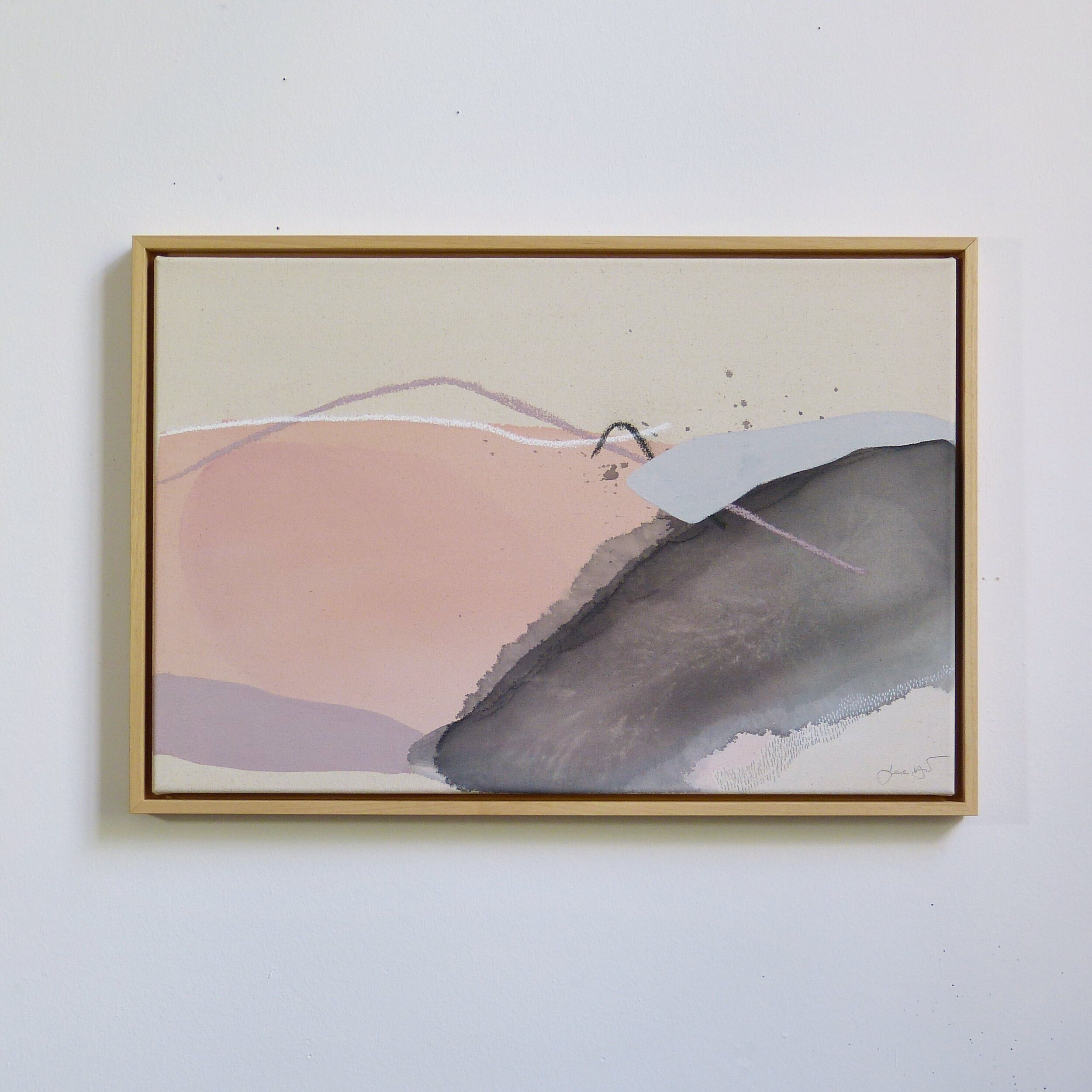
‘embraced’

Acrylic inks and paint on raw canvas, 71 x 71 cm
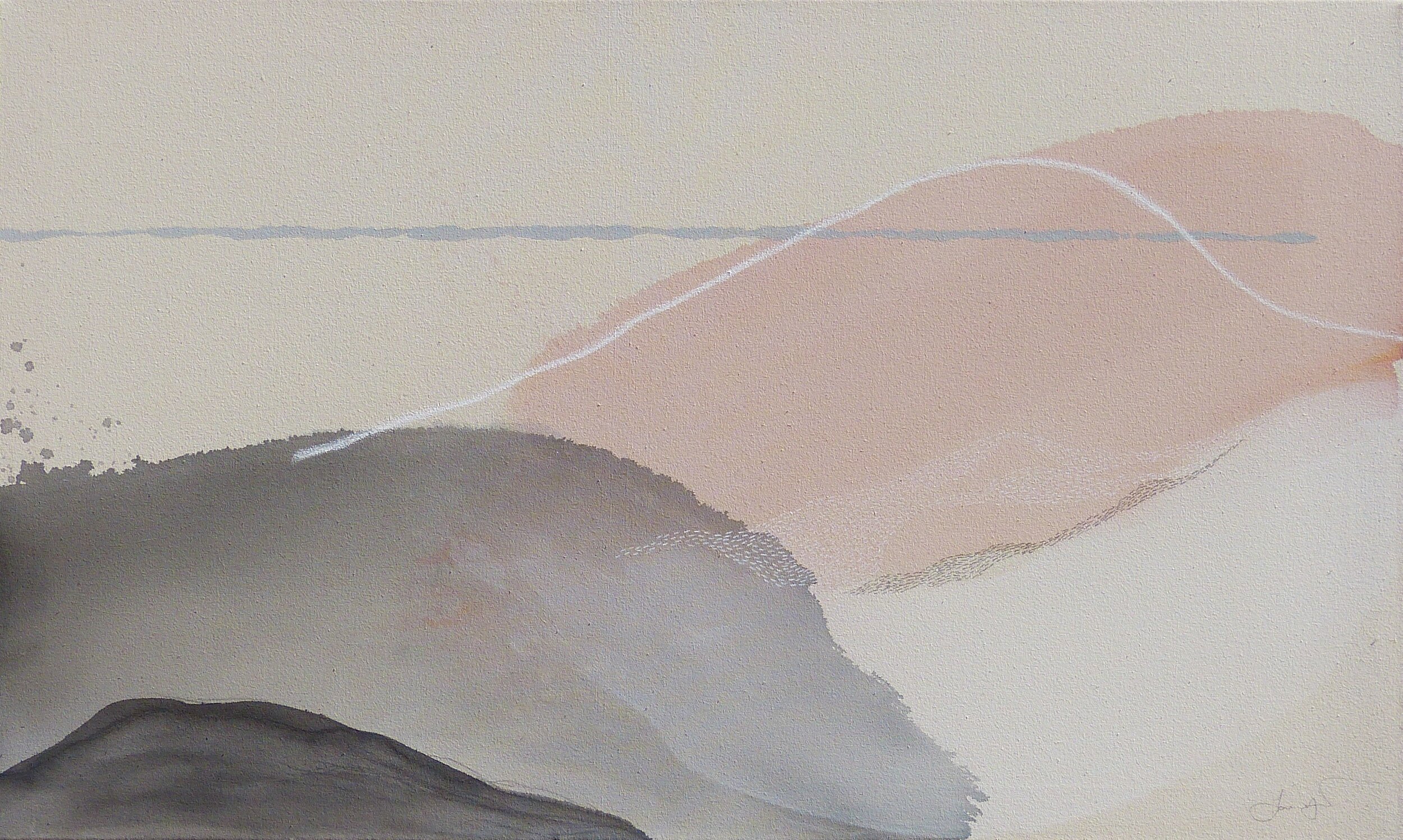
‘stillness in motion’Acrylic inks and paint on raw canvas,  71 x 71 cm

‘stillness in motion’

Acrylic inks and paint on raw canvas, 71 x 71 cm

‘slipping through last light’acrylic inks and paint on handmade paper, mounted on cradled board,  30 x 30 cm

‘slipping through last light’

acrylic inks and paint on handmade paper, mounted on cradled board, 30 x 30 cm

‘a way through’acrylic inks and paint on handmade paper, mounted on cradled board, 30 x 30cm

‘a way through’

acrylic inks and paint on handmade paper, mounted on cradled board, 30 x 30cm

‘stay close’acrylic inks and paint on handmade paper, mounted on cradled board, 20 x 20cm

‘stay close’

acrylic inks and paint on handmade paper, mounted on cradled board, 20 x 20cm

‘drift at the edge’acrylic inks and paint on handmade paper, mounted on cradled board, 20 x 20cm

‘drift at the edge’

acrylic inks and paint on handmade paper, mounted on cradled board, 20 x 20cm

These works are exhibited on the gallery website here. I’m also pleased to announce that the gallery will be reopening to the public on 18th July 2020, where you will be able to see my paintings in real life!

making waves

“Making Waves” - a beautifully curated exhibition of art and craft by local makers and those inspired by the coasts and waters of Scotland.

The Barony Centre, West Kilbride Scotland 2020.

pier 140 x 40cm acrylic on board

pier 1

40 x 40cm acrylic on board

pier 240 x 40cm acrylic on board

pier 2

40 x 40cm acrylic on board

shore line30 x 30cm mixed media on handmade paper

shore line

30 x 30cm mixed media on handmade paper

and being, and seeing30 x 30cm mixed media on handmade paper

and being, and seeing

30 x 30cm mixed media on handmade paper

away for home we head 112 x 30cm mixed media on handmade paper

away for home we head 1

12 x 30cm mixed media on handmade paper

away for home we head 2 12 x 30cm mixed media on handmade paper

away for home we head 2

12 x 30cm mixed media on handmade paper

just to be, here60 x 60cm mixed media on canvas

just to be, here

60 x 60cm mixed media on canvas

Opening of the show

Opening of the show

2020-Year-of-Coast-and-Waters-Scotland-Art.jpg
Jane Hunter Scottish Artist Paintings on Paper-1.jpg

a fair field and no favour

In 19th century Britain men and women inhabited, what was thought of at the time as, ‘separate spheres’. This gender ideology rested on a patriarchal model, where power and privilege were reserved for men. The idea of ‘natural’ male supremacy, with women considered physically and intellectually weaker and best suited to a domestic sphere. Educating women was not considered to have any value and opportunities for seeking employment limited.

separate spheres + enlightenment, sampler

separate spheres + enlightenment, sampler

When the young Sophia Jex-Blake decided to pursue a career as a doctor and applied to study medicine in 1869, she chose the University of Edinburgh for the city’s enlightened and liberal attitudes towards education.
Sophia did not seek preferential or special treatment for women who wished a university education but simply an equal opportunity to do so; ‘a fair field and no favour’

She received an initial rejection from the University Court, along with fierce opposition from many staff and students, on the grounds that the university could not make the necessary arrangements “in the interest of one lady”. Sophia therefore advertised in The Scotsman newspaper appealing for more women to join her, which they did. The Edinburgh Seven, as they would come to be known, successfully applied and became the first women to be matriculated to a British University.

Sophia Jex-Blake, Mary Anderson, Isabel Thorne, Edith Peachey, Emily Bovell, Matilda Chaplin and Helen Evans.

The women’s time at the University of Edinburgh went anything but smoothly. They had to arrange their own lectures, receive tuition in separate classes from men, pay higher fees, and as they demonstrated their abilities in their studies hostility towards them only grew. A defining moment in the women’s fight took place on 18 November 1870 as they arrived at Surgeons’ Hall to sit their anatomy exam. As they approached the building they were faced with a large angry crowd of students, and several hundred onlookers, who threw mud and rubbish as well as insults at the women. ‘The Surgeons’ Hall Riot’ was widely reported in the press, leading to increased awareness of the Edinburgh Seven and their fight for equality in education.

detail of central panel: significant buildings, hand embroidered

detail of central panel: significant buildings, hand embroidered

Discrimination from the university continued and in the end the women were unable to graduate in Edinburgh, instead travelling to Bern and Paris to gain their degrees. However, the campaign of the Edinburgh Seven, led by Sophia Jex-Blake, put the rights of women to a university education on the national political agenda. Legislation was put in place, the UK Medical Act 1876, to ensure women could study medicine at university. In 1894 the University of Edinburgh allowed women to graduate, with the first doctors graduating in 1896.


In this work I explore transitions and relationships between people and place, light and dark, patriarchy and domesticity, equality and inequality and how the collective power of enlightened women can brighten the fabric of society.

The fight for equality goes on to this day, with many women and girls across the world still without the right to an education. The campaign that these seven women began in Edinburgh in 1869, however, was a defining moment in the progress of equality.


a fair field and no favour, in situ, 2019

a fair field and no favour, in situ, 2019

Photography by Cadzow Pelosi


This work was commissioned by KPMG as part of the workplace transformation of their Saltire Court premises in Edinburgh.

My thanks to:

The wonderful women of Michael Laird Architects & Interior Design, Esther & Hazel, for their inspiration and enthusiasm from the very start of the project.

Dr Elaine Thomson of Napier University, for bringing her research to life. It was during Elaine’s talk on the history of women in medicine, that the images started to form in my head. I was also privileged to see a rehearsed reading of ‘Edinburgh 7’, a new musical being developed by Jordanna O’Neill, John and Martin Keilty, in which Elaine set the scene with her words.